Post-Impressionism
Artists who kept Impressionism's colour but pushed towards structure, symbol and feeling.
First room, north wall
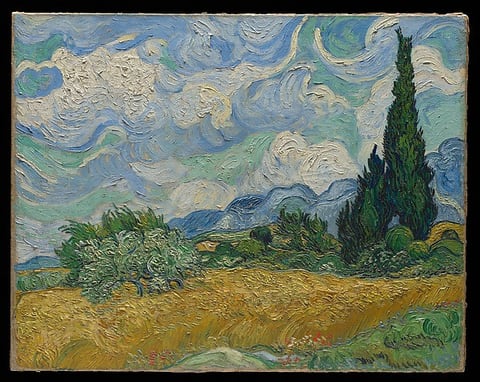
Wheat Field with CypressesVincent van Gogh, 1889Courtesy of The Metropolitan Museum of Art 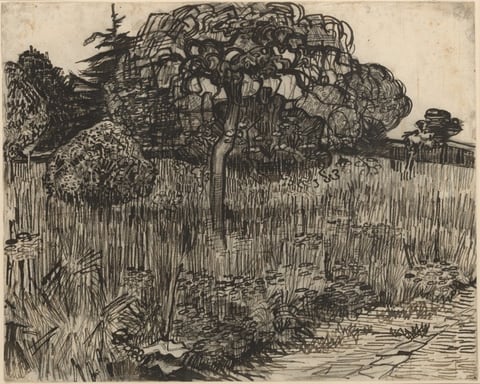
Weeping TreeVincent van Gogh, 1889Courtesy of the Art Institute of Chicago 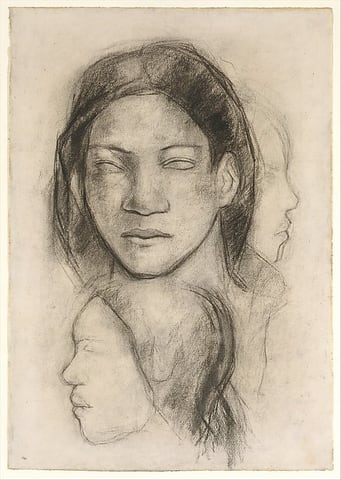
Tahitian Faces (Frontal View and Profiles)Paul Gauguin, ca. 1899Courtesy of The Metropolitan Museum of Art
First room, south wall
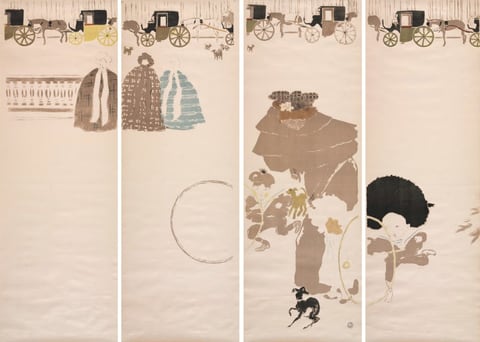
Nursemaids’ Promenade, Frieze of CarriagesPierre Bonnard, 1895Courtesy of the Cleveland Museum of Art 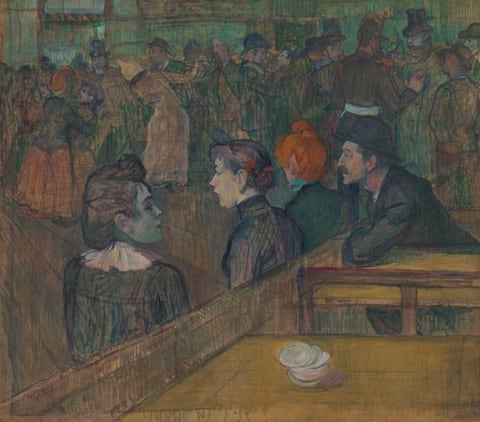
Moulin de la GaletteHenri de Toulouse-Lautrec, 1889Courtesy of the Art Institute of Chicago 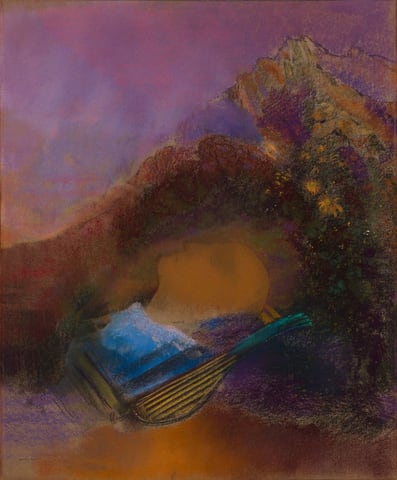
OrpheusOdilon Redon, c. 1903–10Courtesy of the Cleveland Museum of Art
Second room, south wall
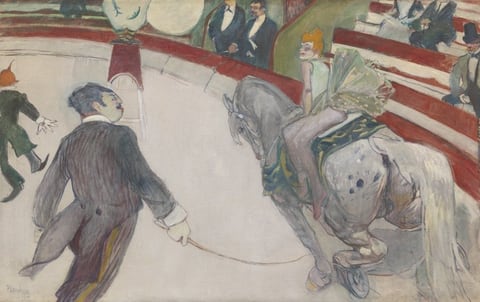
Equestrienne (At the Cirque Fernando)Henri de Toulouse-Lautrec, 1887–88Courtesy of the Art Institute of Chicago 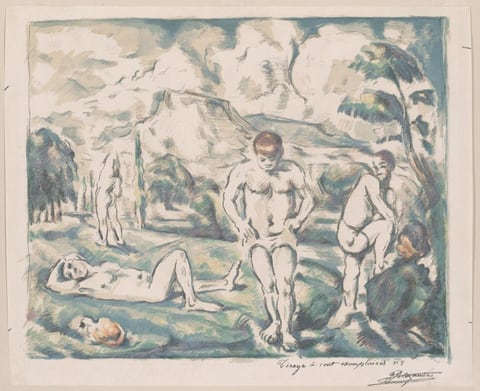
BathersPaul Cézanne, 1890–1900Courtesy of the Art Institute of Chicago 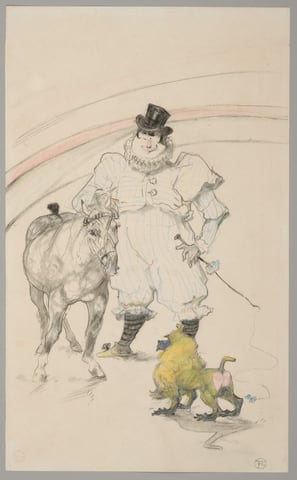
At the Circus: Trained Pony and BaboonHenri de Toulouse-Lautrec, 1899Courtesy of the Art Institute of Chicago
Second room, north wall
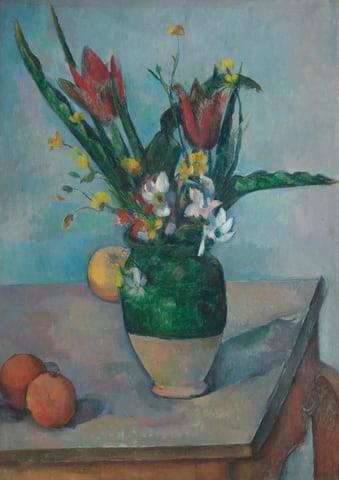
The Vase of TulipsPaul Cézanne, c. 1890Courtesy of the Art Institute of Chicago 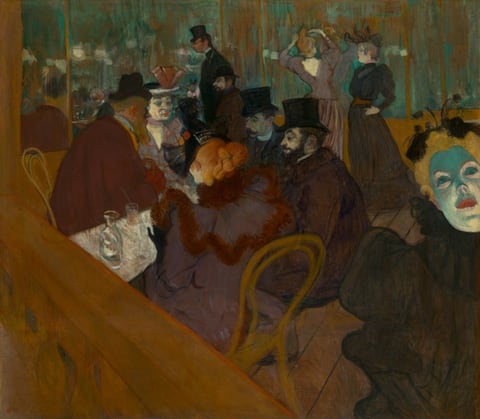
At the Moulin RougeHenri de Toulouse-Lautrec, 1892–95Courtesy of the Art Institute of Chicago 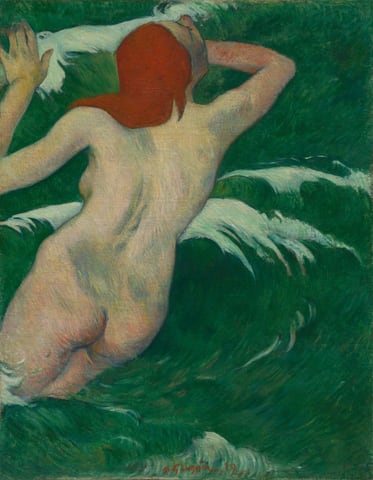
In the Waves (Dans les Vagues)Paul Gauguin, 1889Courtesy of the Cleveland Museum of Art
Third room, north wall
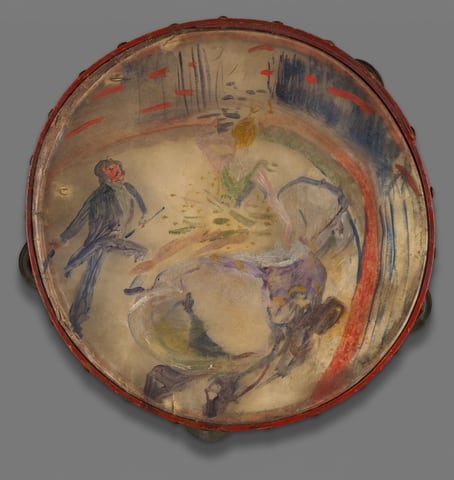
At the Circus: The Bareback Rider (Au Cirque: Écuyère)Henri de Toulouse-Lautrec, 1888Courtesy of the Art Institute of Chicago 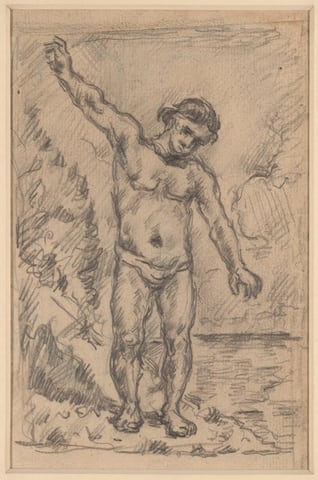
Bather With Outstretched Arms (recto); Study of a Tree (verso)Paul Cézanne, 1874/77Courtesy of the Art Institute of Chicago 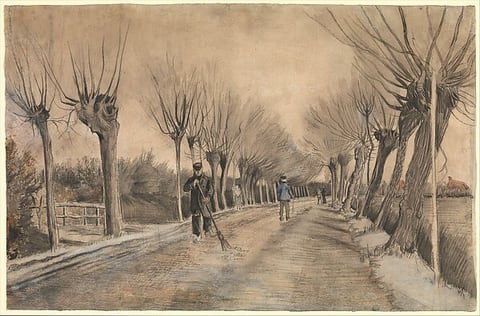
Road in EttenVincent van Gogh, 1881Courtesy of The Metropolitan Museum of Art 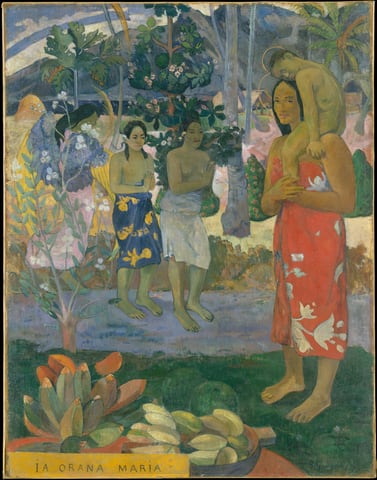
Ia Orana Maria (Hail Mary)Paul Gauguin, 1891Courtesy of The Metropolitan Museum of Art