Weeping Tree1889
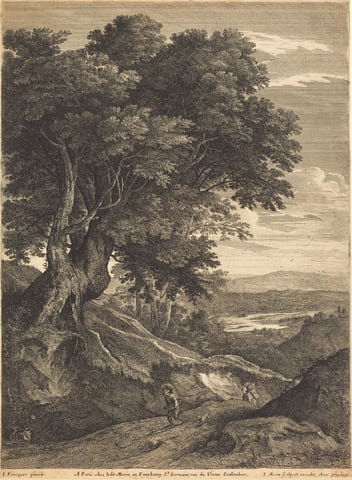
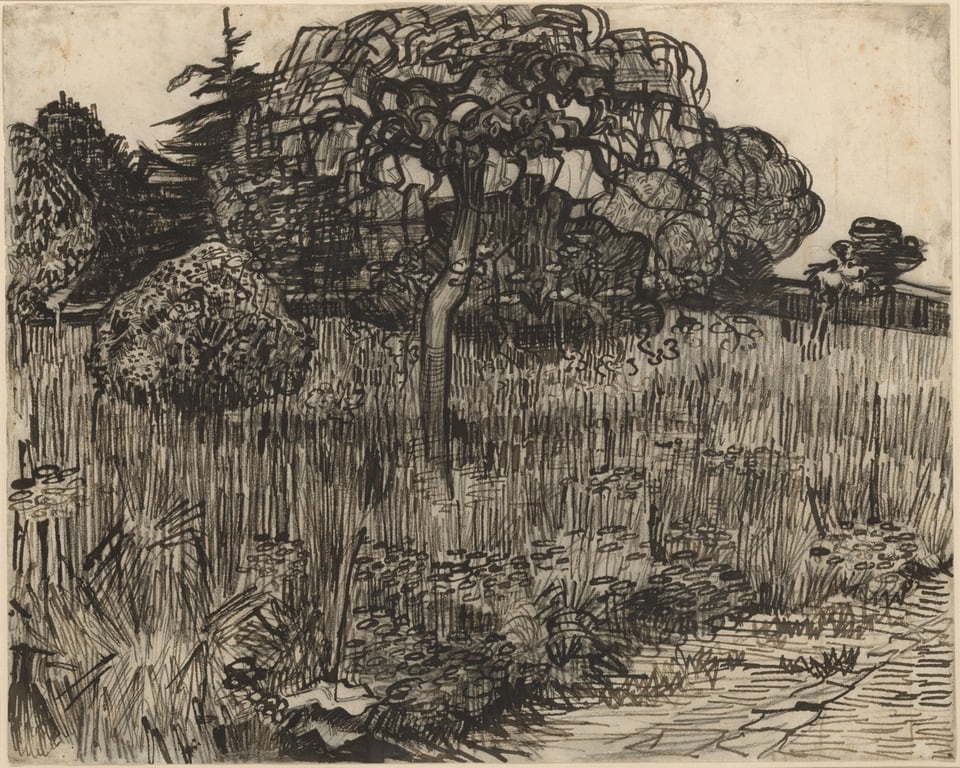
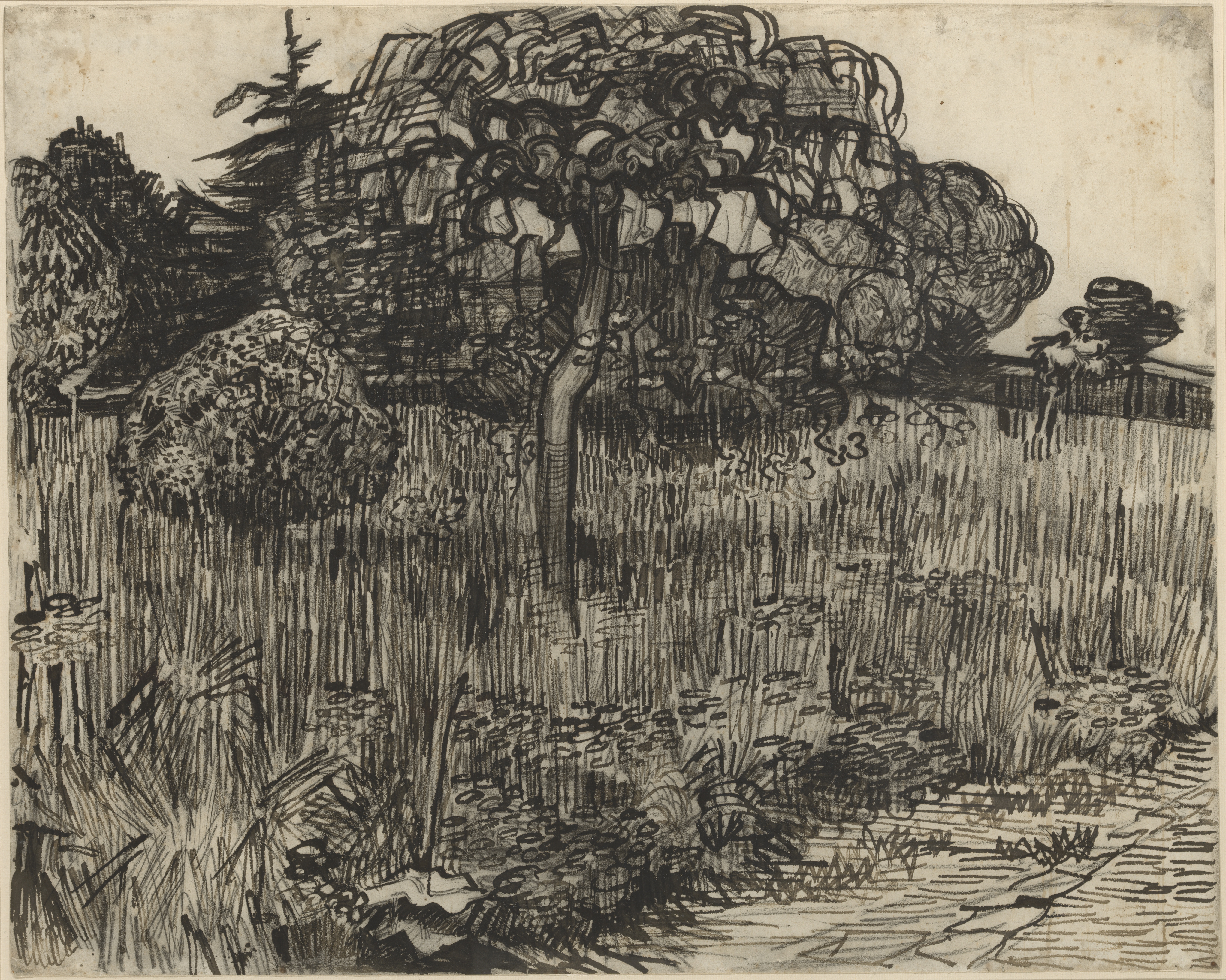
A weeping tree droops towards the ground in this drawing made with a reed pen in dense, varied marks of black-brown ink, with touches of black chalk. More about this work
About this work
A weeping tree droops towards the ground in this drawing made with a reed pen in dense, varied marks of black-brown ink, with touches of black chalk. In the south of France Van Gogh developed a drawing style inspired partly by Japanese prints, using the cut reed to create a vocabulary of dots, dashes, hatching and swirls that convey texture, light and movement without colour. Drawings like this were often made as independent works, and they carry much of the force of his paintings.
Written by Ochre Editions.
What you’re looking at
A work made of reed pen and black-brown ink, with black chalk on off-white wove paper.
Description from the Art Institute of Chicago.
How it was made
- Chalk
- Natural black, red and white chalks. Used together on toned paper they could give the warmth of flesh with very little effort, and they were favourites for studies from life.
- Pen and ink
- Drawn with a quill or reed pen, often with wash added by brush to model light and shadow.
Vincent van Gogh
Dutch, 1853–1890 · Born in Zundert; died in Auvers-sur-Oise.
Van Gogh worked as an art dealer, teacher and lay preacher before he turned to art in 1880, at twenty-seven. His early pictures of Dutch peasants are dark and heavy; in Paris from 1886 he met the Impressionists and Neo-Impressionists, and his palette brightened. In Arles in 1888–89 he painted with intense colour and thick, directional strokes, and he worked on at the asylum in Saint-Rémy and finally at Auvers-sur-Oise. The Poet’s Garden belongs to a group made to decorate Gauguin’s room in the Yellow House.
Written by Ochre Editions.
Post-Impressionism
Artists who kept Impressionism's colour but pushed towards structure, symbol and feeling.
Rights and the museum’s record
Public domain. The Art Institute of Chicago has dedicated this image to the public domain under CC0, so anyone may copy, adapt and use it, for any purpose, without asking. Our prints and files are reproductions made from the museum’s image; the museum doesn’t endorse them.
- Object number
- 1945.31
- Credit
- Courtesy of the Art Institute of Chicago
- Type
- Drawing and Watercolor
- Department
- Prints and Drawings
- Licence
- CC0 1.0 Universal
- Museum record
- See it on the museum’s site
Report this work
More by Vincent van Gogh
All their works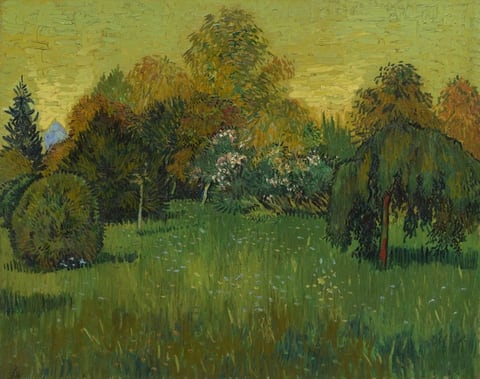
Close in colour