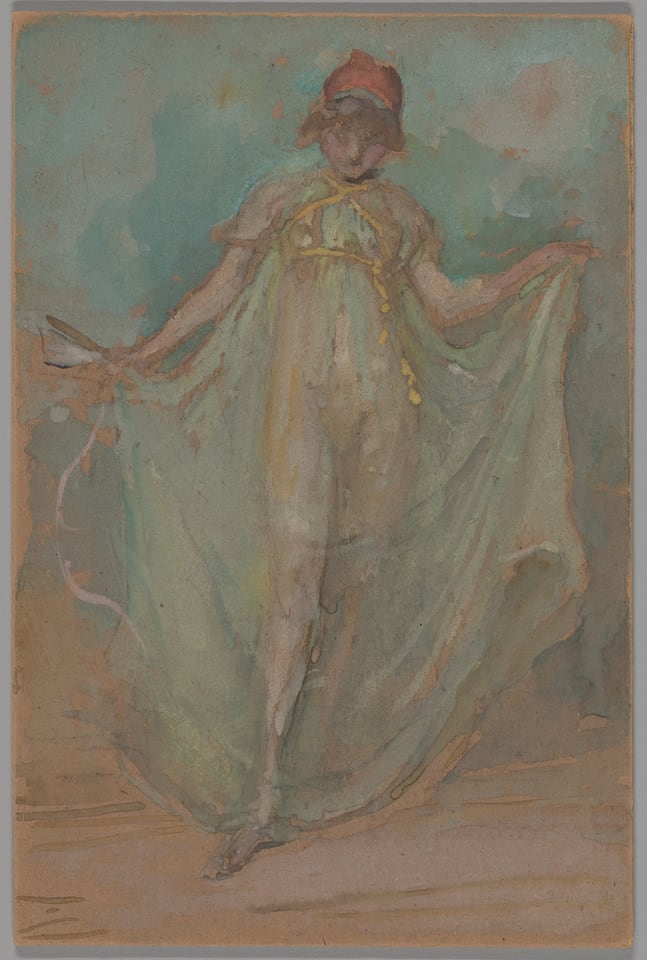
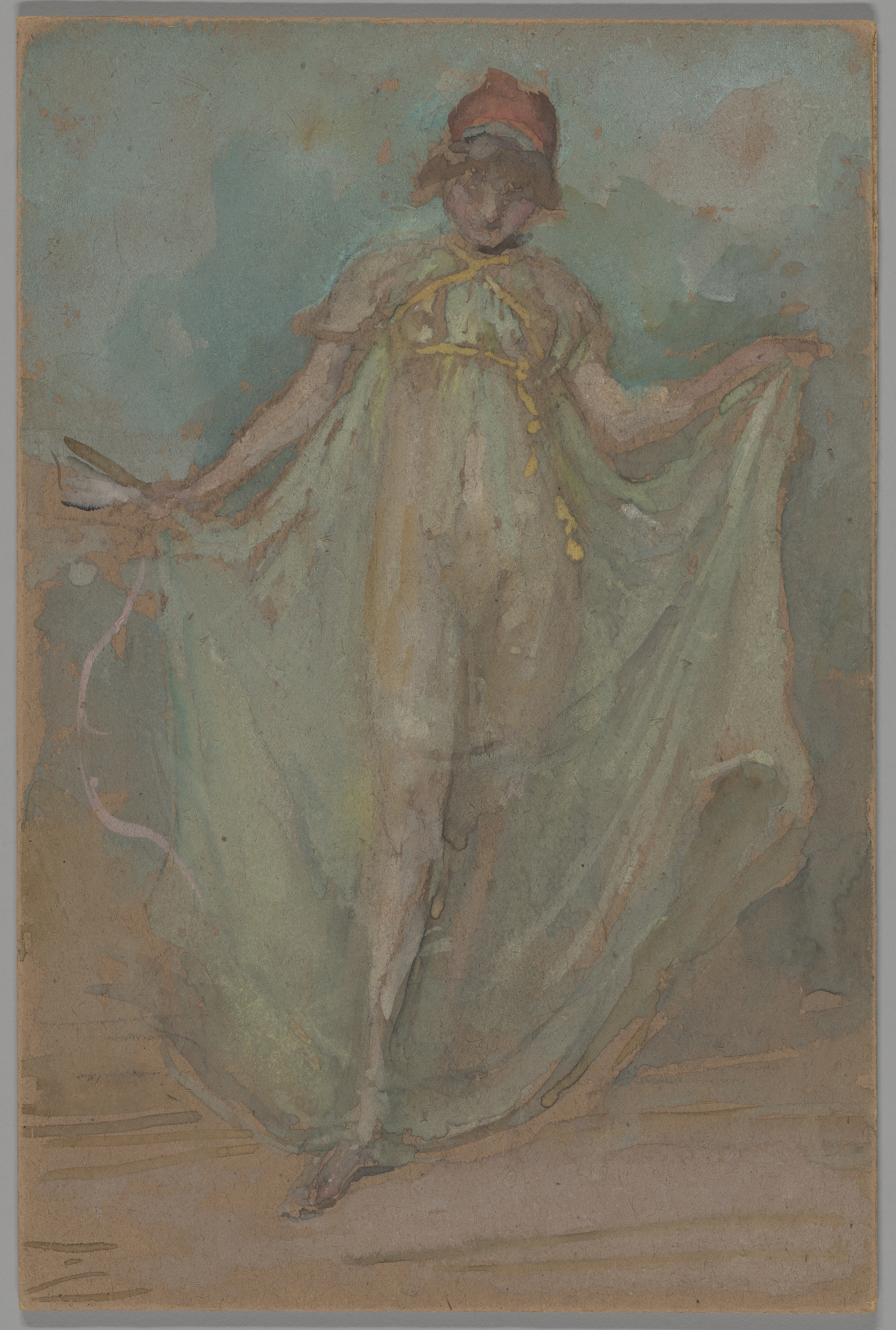
Green and Blue: The Dancerc. 1893
A young dancer in a long, sheer dress is set down in pale washes of watercolour and opaque colour on brown paper, her form emerging from the warm tone of the sheet. More about this work
About this work
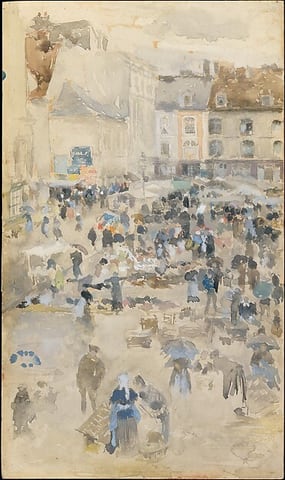
A young dancer in a long, sheer dress is set down in pale washes of watercolour and opaque colour on brown paper, her form emerging from the warm tone of the sheet. In the 1890s Whistler made many small studies of models in flowing, transparent drapery, recalling the ancient terracotta figurines from Tanagra that were then much admired. As the title suggests, he thought of such pictures as harmonies of colour, like pieces of music, rather than as portraits or stories.
Written by Ochre Editions.
What you’re looking at
Pale watercolor drawing of young dancer in long sheer dress.
Description from the Art Institute of Chicago.
How it was made
- Opaque watercolour
- Watercolour made opaque with white or chalk and laid in flat, even layers. Persian and Indian painters ground their colours from minerals, applied them with the finest brushes and burnished the finished page.
- Chalk
- Natural black, red and white chalks. Used together on toned paper they could give the warmth of flesh with very little effort, and they were favourites for studies from life.
- Watercolour
- Pigment in gum arabic, thinned with water and laid in transparent washes. Nothing white is painted: the light is the paper showing through.
James McNeill Whistler
American, 1834–1903 · Born in Lowell, Massachusetts; died in London.
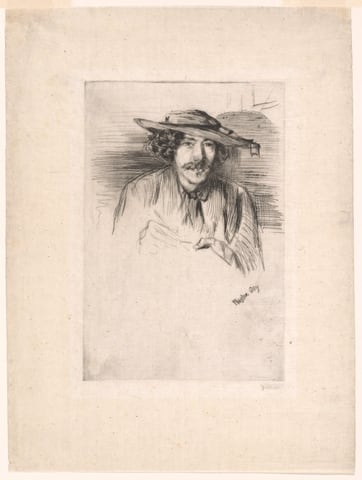
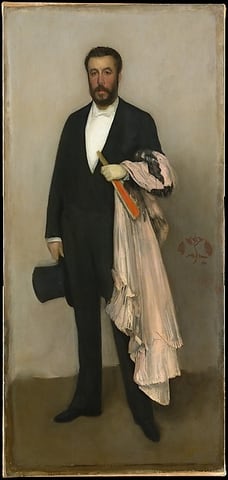
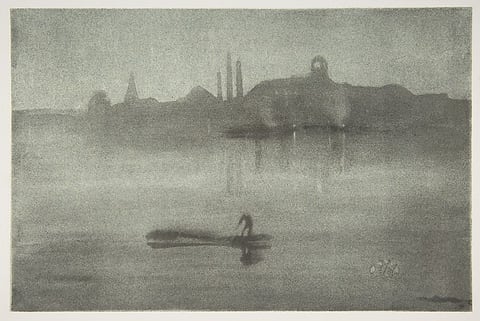
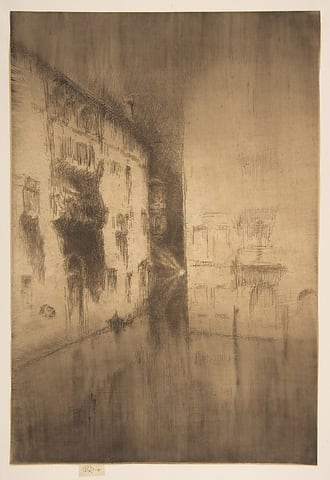
Whistler spent part of his boyhood in Russia, left West Point without graduating and trained as a painter in Paris before settling in London in 1859. He held that a picture was an arrangement of colour and form, and named his works symphonies, harmonies and nocturnes; a hostile review of one nocturne led to his 1878 libel suit against John Ruskin. He was equally committed to etching, and in his Venice plates of 1879–80 he left films of ink on the copper to suggest water and dusk.
Written by Ochre Editions.
Rights and the museum’s record
Public domain. The Art Institute of Chicago has dedicated this image to the public domain under CC0, so anyone may copy, adapt and use it, for any purpose, without asking. Our prints and files are reproductions made from the museum’s image; the museum doesn’t endorse them.
- Object number
- 1988.219
- Credit
- Courtesy of the Art Institute of Chicago
- Type
- Drawing and Watercolor
- Department
- Prints and Drawings
- Licence
- CC0 1.0 Universal
- Museum record
- See it on the museum’s site
Report this work
More by James McNeill Whistler
All their works
Close in colour