French classicism
Order, clarity and the ideal landscape in seventeenth-century France.
First room, north wall
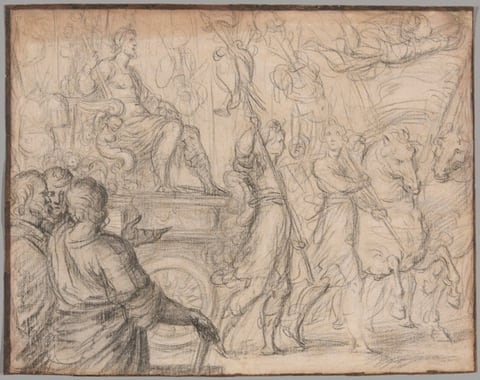
A ProcessionAmbroise Dubois, c. 1610Courtesy of the Art Institute of Chicago 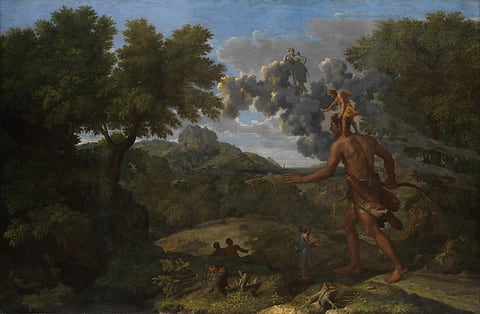
Blind Orion Searching for the Rising SunNicolas Poussin, 1658Courtesy of The Metropolitan Museum of Art 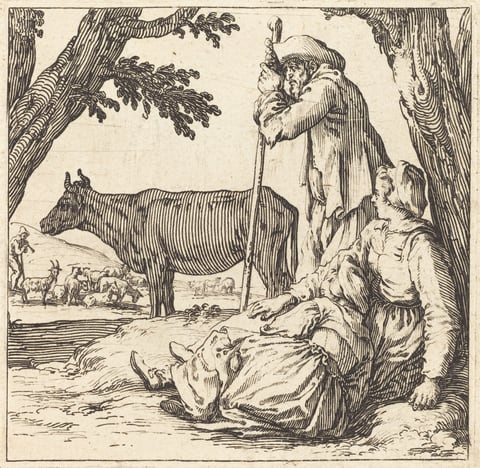
Peasant Couple with CowJacques Callot, c. 1621Courtesy National Gallery of Art, Washington
First room, south wall
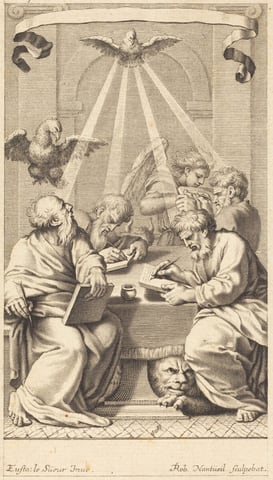
The Four EvangelistsRobert NanteuilCourtesy National Gallery of Art, Washington 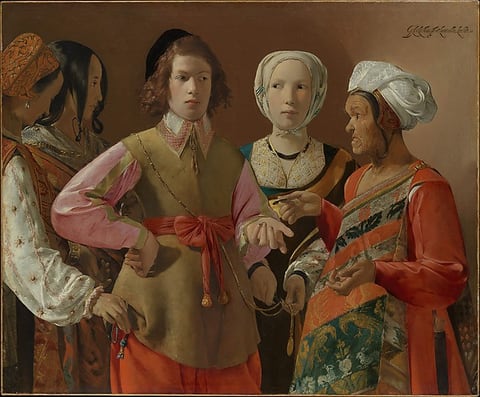
The Fortune-TellerGeorges de La Tour, probably 1630sCourtesy of The Metropolitan Museum of Art 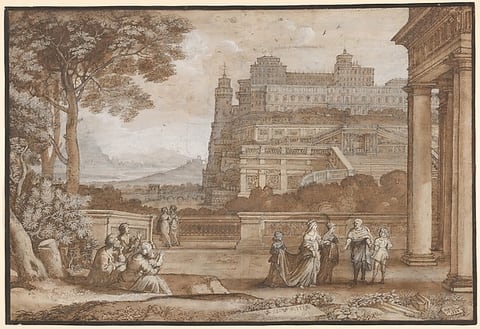
Queen Esther Approaching the Palace of AhasuerusClaude Lorrain (Claude Gellée), 1658Courtesy of The Metropolitan Museum of Art
Second room, south wall
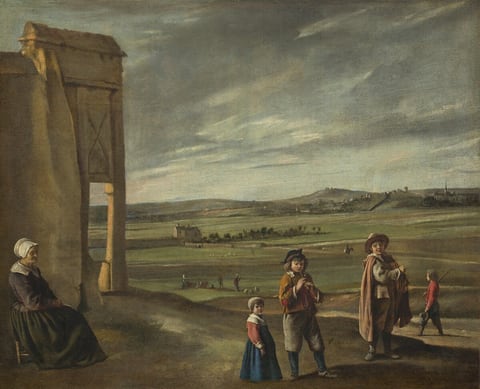
Landscape with PeasantsLouis Le Nain, c. 1640Courtesy National Gallery of Art, Washington 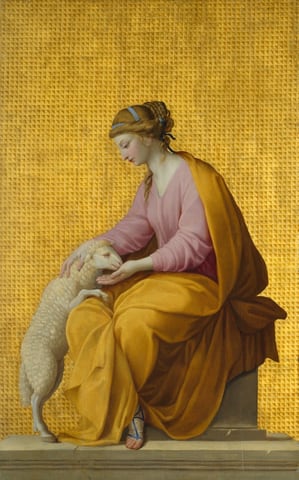
MeeknessEustache Le Sueur, 1650Courtesy of the Art Institute of Chicago 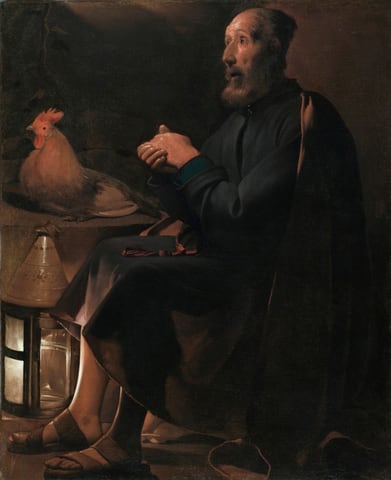
Saint Peter RepentantGeorges de La Tour, 1645Courtesy of the Cleveland Museum of Art 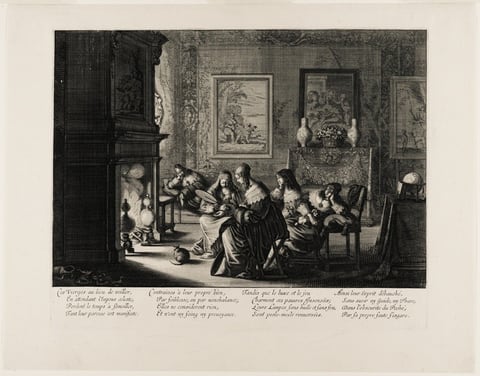
The Wise and Foolish Virgins, plate fiveAbraham Bosse, 1635Courtesy of the Art Institute of Chicago
Second room, north wall
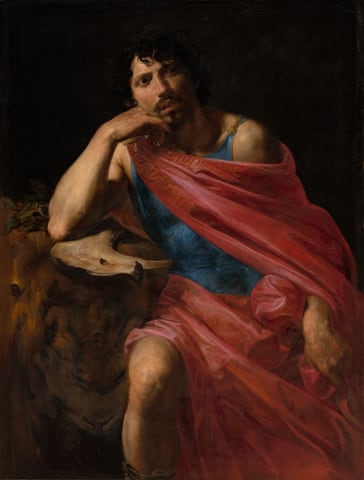
SamsonValentin de Boulogne, 1630–31Courtesy of the Cleveland Museum of Art 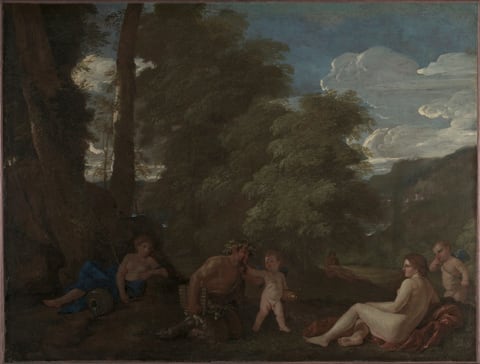
Nymphs and a Satyr (Amor Vincit Omnia)Nicolas Poussin, c. 1625–27Courtesy of the Cleveland Museum of Art 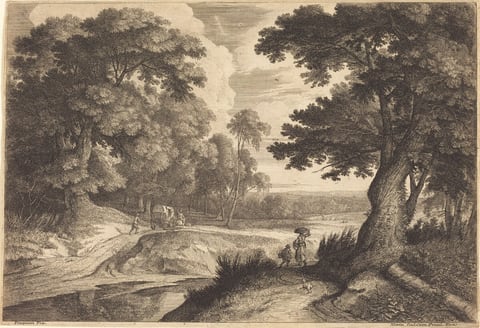
Edge of a Wood with Peasants Going to MarketJean MorinCourtesy National Gallery of Art, Washington
Third room, north wall
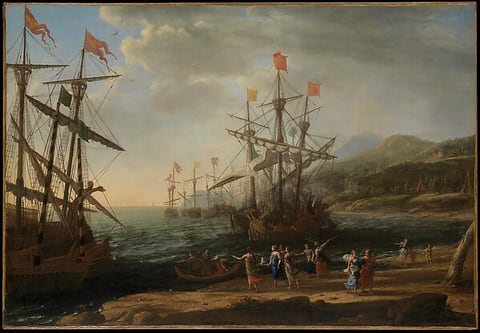
The Trojan Women Setting Fire to Their FleetClaude Lorrain (Claude Gellée), ca. 1643Courtesy of The Metropolitan Museum of Art 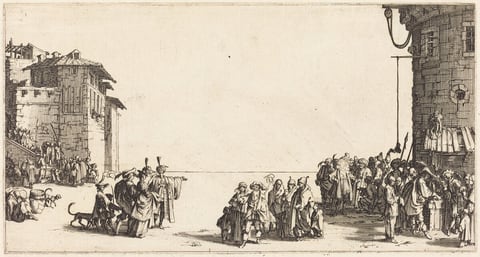
The Slave MarketJacques Callot, 1620Courtesy National Gallery of Art, Washington 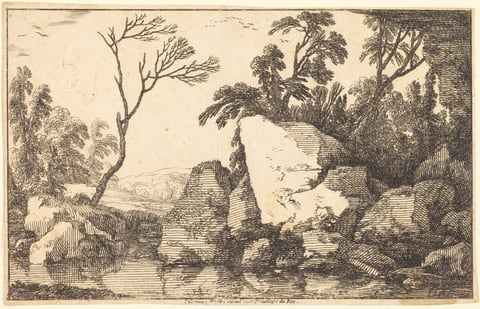
A Rocky PondLaurent de La Hyre, 1640Courtesy National Gallery of Art, Washington