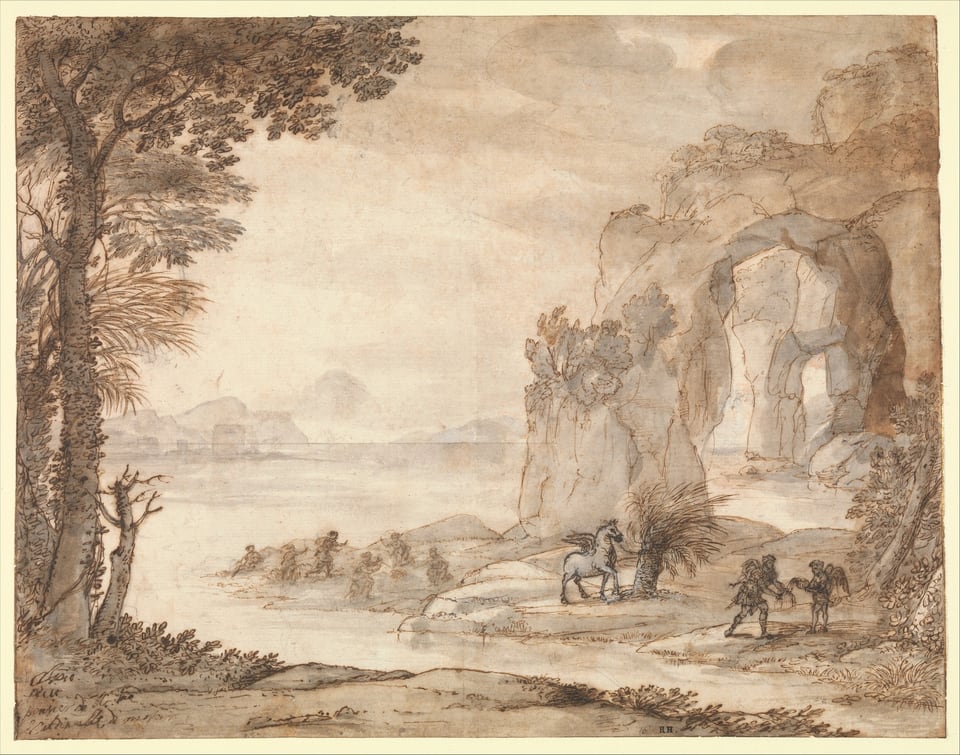
Claude Lorrain (Claude Gellée)
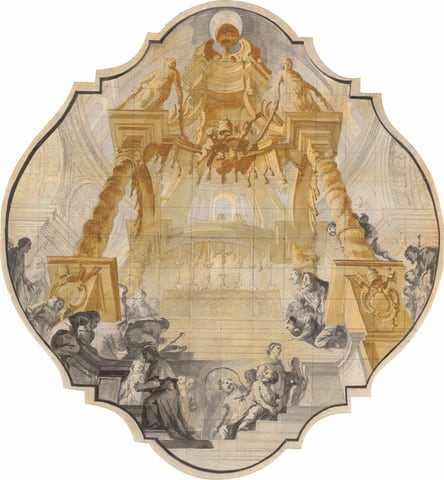
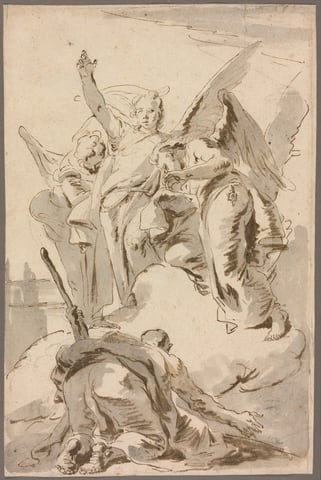
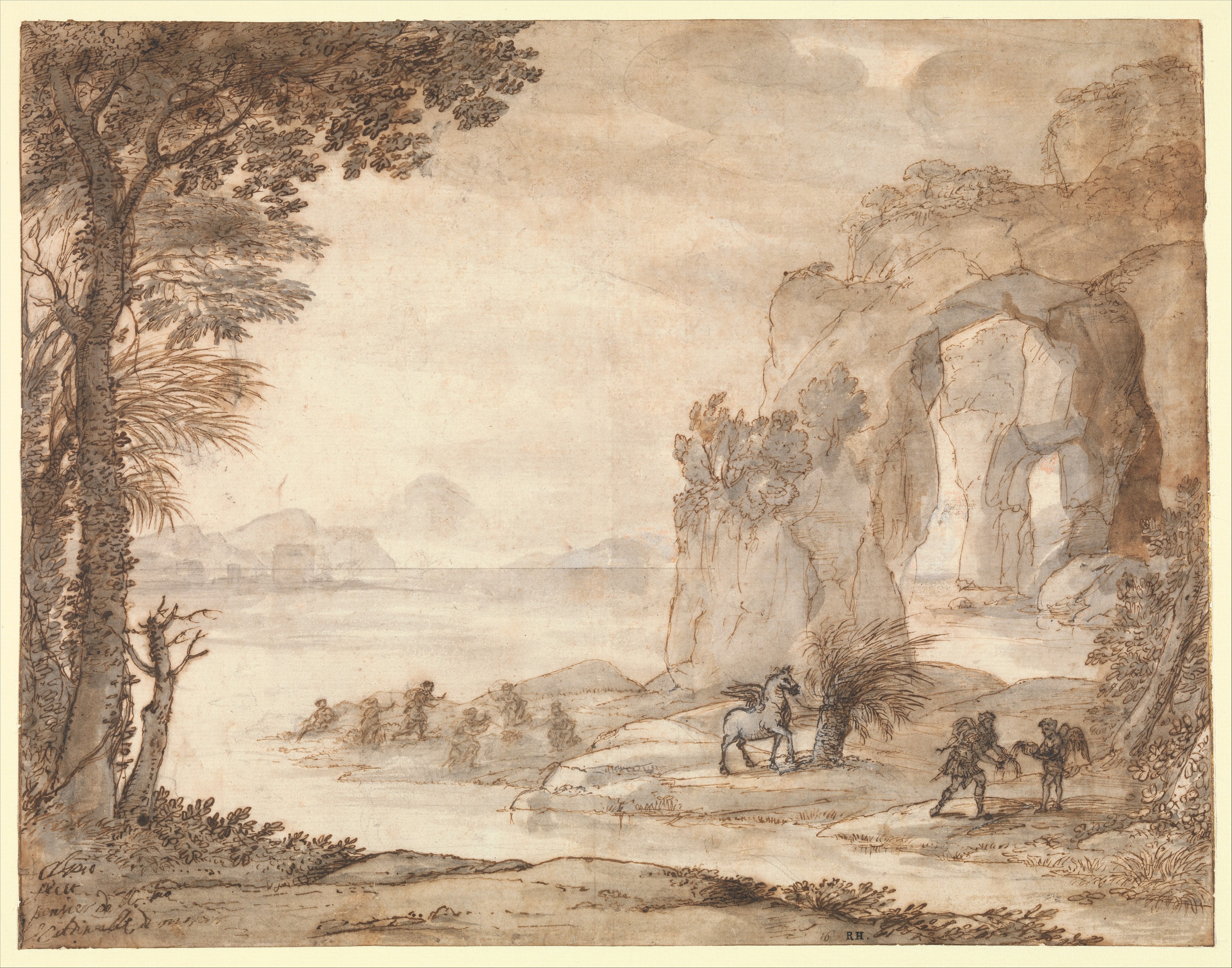
Perseus and the Origin of Coralca. 1671
Claude Lorrain (Claude Gellée) drew this in about 1671, aged about 64. It is now at The Met in New York. More about this work
About this work
Claude Lorrain (Claude Gellée) drew this in about 1671, aged about 64. It is now at The Met in New York.
How it was made
- Chalk
- Natural black, red and white chalks. Used together on toned paper they could give the warmth of flesh with very little effort, and they were favourites for studies from life.
Claude Lorrain (Claude Gellée)
French, 1604–1682 · Born in Chamagne; died in Rome.
Claude Gellée, called Lorrain after his native duchy, went to Rome as a youth and spent almost his whole life there. He became the most admired landscape painter of his century, creating idealised visions of the Roman Campagna and classical harbours bathed in the golden light of morning or evening, peopled with small biblical and mythological figures. He recorded his compositions in drawings bound into a volume, the Liber Veritatis, as a guard against forgers.
Written by Ochre Editions.
Rights and the museum’s record
Public domain. The Met has dedicated this image to the public domain under CC0, so anyone may copy, adapt and use it, for any purpose, without asking. Our prints and files are reproductions made from the museum’s image; the museum doesn’t endorse them.
- Object number
- 1975.1.661
- Credit
- Courtesy of The Metropolitan Museum of Art
- Type
- Drawings
- Department
- Robert Lehman Collection
- Licence
- CC0 1.0 Universal
- Museum record
- See it on the museum’s site
Report this work
More by Claude Lorrain (Claude Gellée)
All their works
Close in colour