Baroque
Drama, movement and deep shadow in European art of the 1600s.
Section 1, north wall
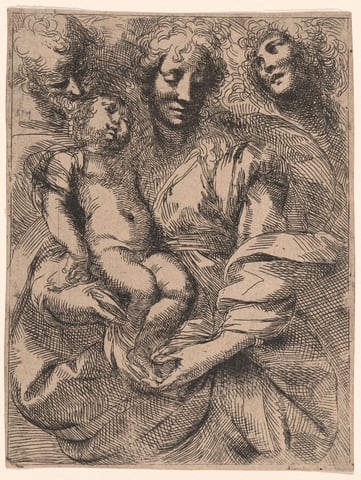
The Holy FamilyGiulio Cesare Procaccini, 1613/15Courtesy of the Art Institute of Chicago 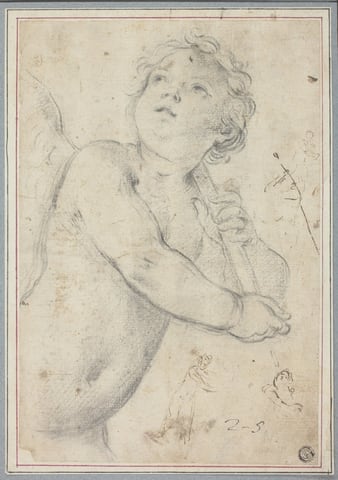
Putto Holding StaffGuido Reni, n.d.Courtesy of the Art Institute of Chicago 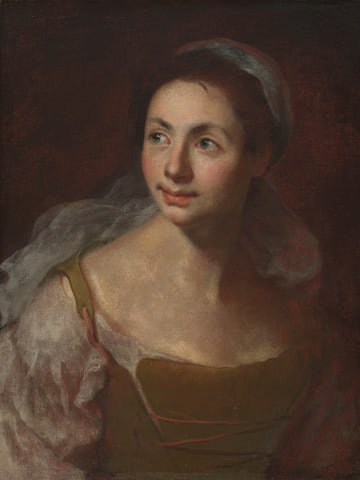
Portrait of a GirlFrancesco Solimena, c. 1700Courtesy of the Art Institute of Chicago
Section 1, south wall
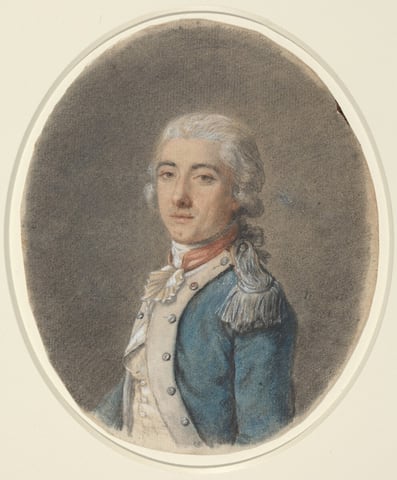
Portrait of a Man in a Military UniformUnrecorded French maker, 18th centuryCourtesy National Gallery of Art, Washington 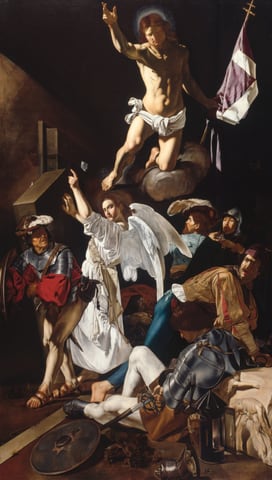
The ResurrectionCecco del Caravaggio, c. 1619-20Courtesy of the Art Institute of Chicago
Section 2, south wall
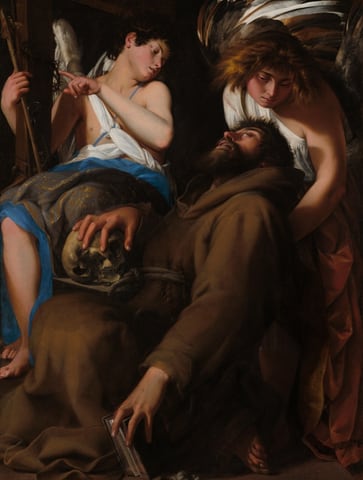
The Ecstasy of Saint FrancisGiovanni Baglione, 1601Courtesy of the Art Institute of Chicago 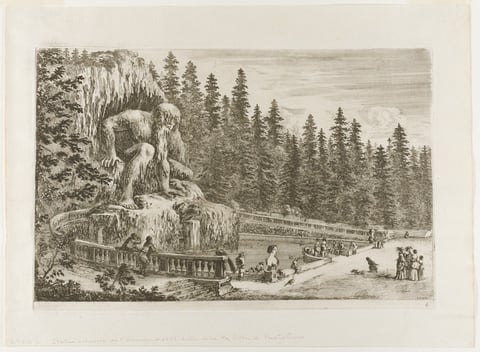
The Colossal Statue of the Apennines, from Views of Villa di PratolinoStefano della Bella, c. 1653Courtesy of the Art Institute of Chicago
Section 2, north wall
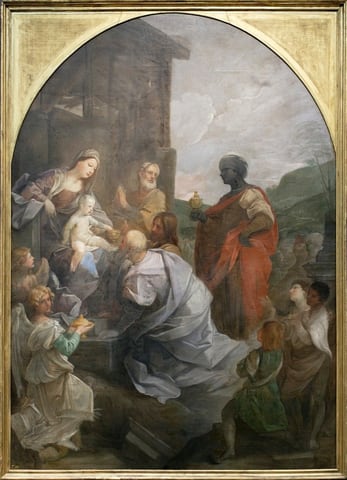
Adoration of the MagiGuido Reni, 1642Courtesy of the Cleveland Museum of Art 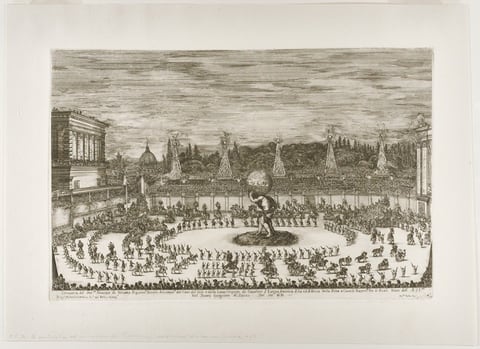
Equestrian Ballet in the Amphitheater of the Boboli GardensStefano della Bella, 1661Courtesy of the Art Institute of Chicago
Section 3, north wall
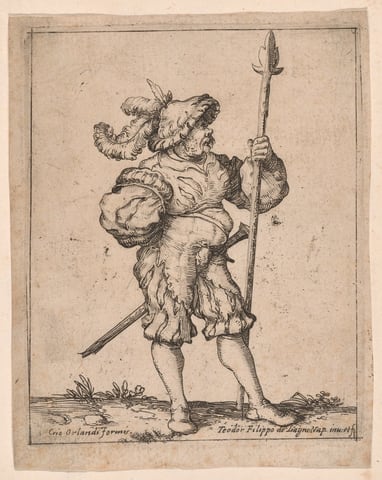
Soldier in Profile Holding a Pike, from Capricci e habiti militariFilippo Napoletano, 1610/29Courtesy of the Art Institute of Chicago 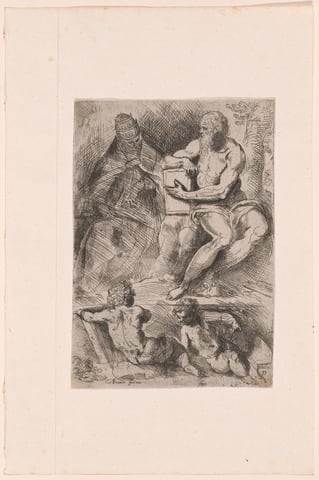
Saint Jerome and a Pope with Two Putti (Saint Jerome and Pope Damasus)Jacopo Palma il Giovane, c. 1611Courtesy of the Art Institute of Chicago
Section 3, south wall
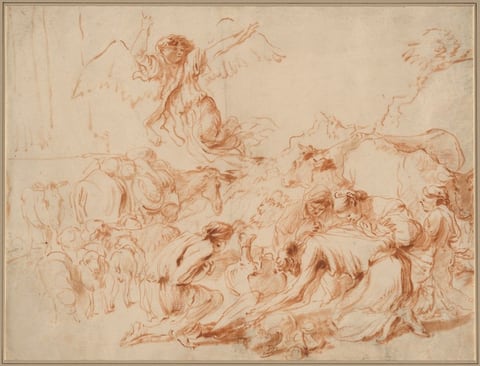
The Angel Departing from the Family of Tobit (?)Giovanni Benedetto Castiglione, c. 1655Courtesy of the Art Institute of Chicago 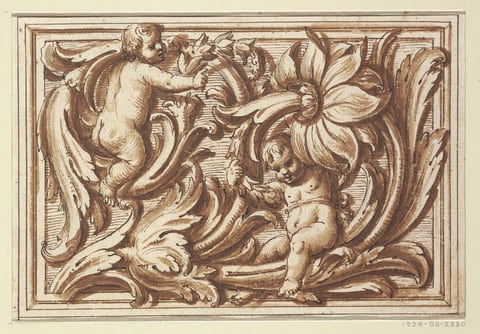
One of a set of projects for a title page and the decoration of a horizontal panelFrancesco Bedeschini, Italian, 1675-1699Courtesy of Cooper Hewitt, Smithsonian Design Museum
Section 4, south wall
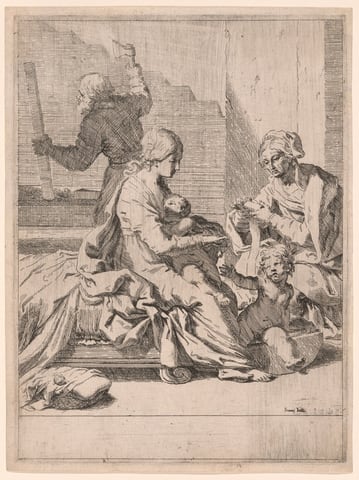
Holy Family with Saint Elizabeth and Saint John the BaptistElisabetta Sirani, 1650/60Courtesy of the Art Institute of Chicago 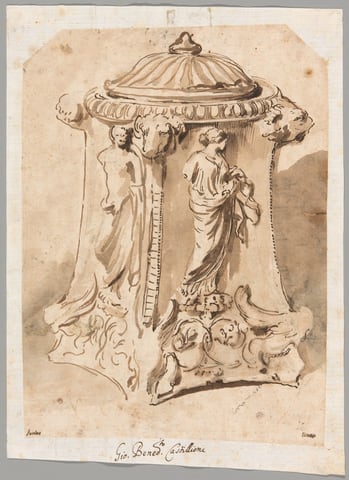
Antique Carved Marble Candelabra BaseAndrea di Lione, 1642/44 or 1647/51Courtesy of the Art Institute of Chicago 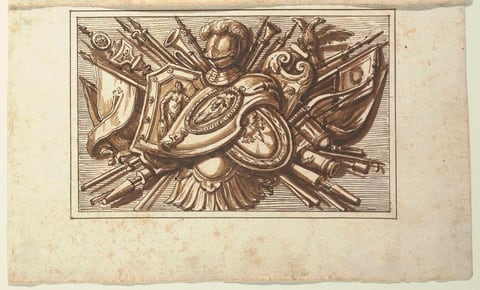
One of a set of trophies of weapons of war as a decoration of a horizontal panelFrancesco Bedeschini, Italian, 1675-1699Courtesy of Cooper Hewitt, Smithsonian Design Museum