The Italian Renaissance
Florence, Venice and Rome from 1400 to 1600: perspective, anatomy and the classical past.
First room, north wall
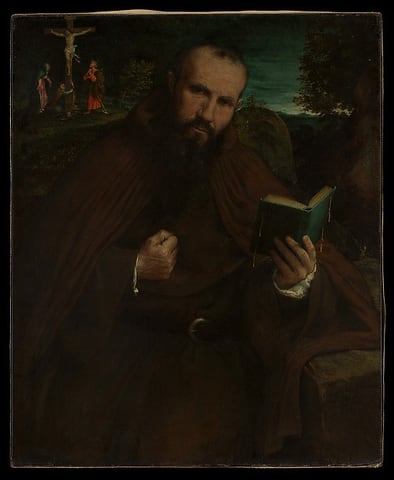
Brother Gregorio Belo of VicenzaLorenzo Lotto, 1547Courtesy of The Metropolitan Museum of Art 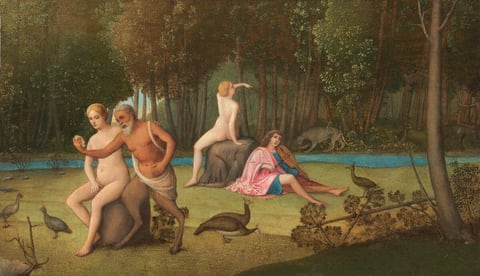
OrpheusUnrecorded Italian maker, c. 1515Courtesy National Gallery of Art, Washington 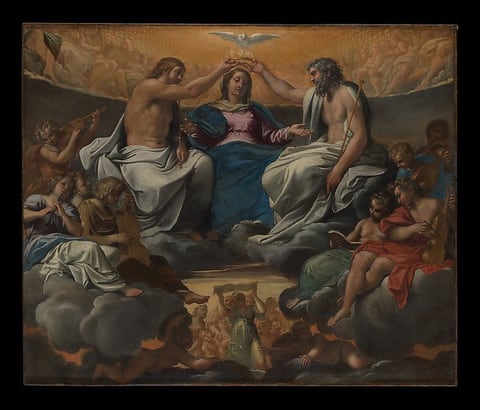
The Coronation of the VirginAnnibale Carracci, after 1595Courtesy of The Metropolitan Museum of Art
First room, south wall
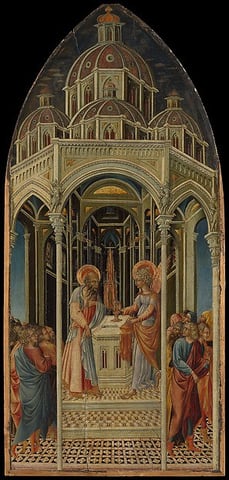
The Annunciation to Zacharias; (verso) The Angel of the AnnunciationGiovanni di Paolo, ca. 1455–60Courtesy of The Metropolitan Museum of Art 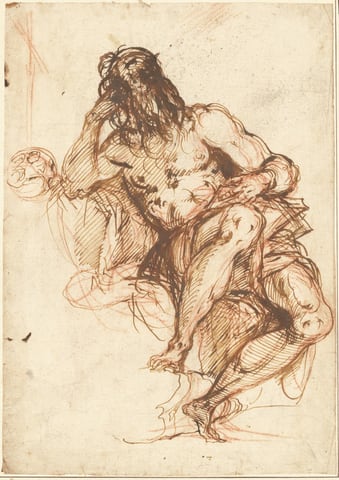
Saint JeromeAlessandro Vittoria, 1565/1570Courtesy National Gallery of Art, Washington 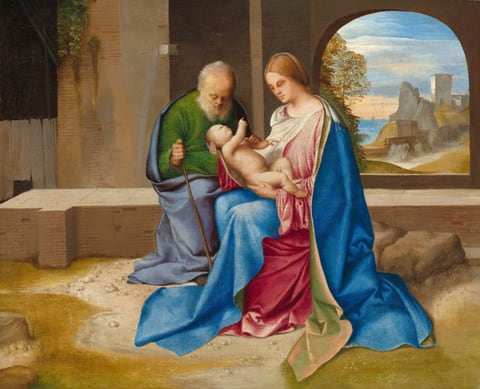
The Holy FamilyGiorgione, probably c. 1500Courtesy National Gallery of Art, Washington 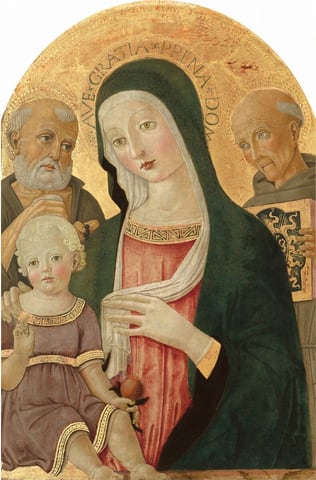
Madonna and Child with Saint Jerome and Saint Bernardino of SienaBenvenuto di Giovanni, c. 1480/1485Courtesy National Gallery of Art, Washington
Second room, south wall
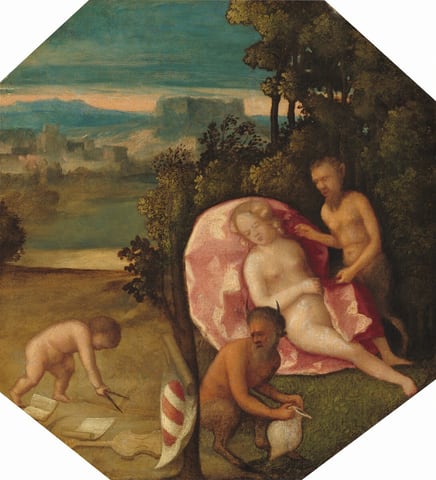
AllegoryPietro degli Ingannati, c. 1515-1525Courtesy National Gallery of Art, Washington 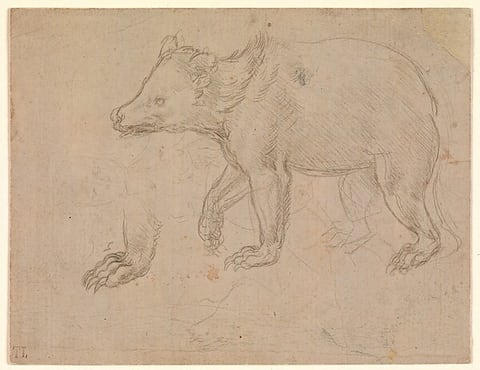
A Bear WalkingLeonardo da Vinci, ca. 1482–85Courtesy of The Metropolitan Museum of Art 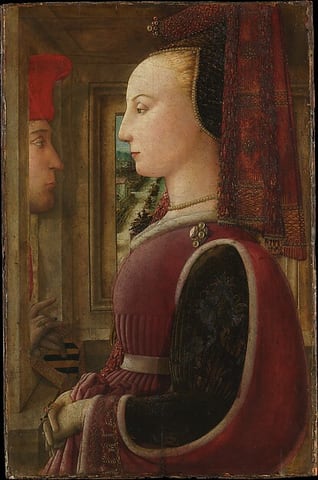
Portrait of a Woman with a Man at a CasementFra Filippo Lippi, ca. 1440Courtesy of The Metropolitan Museum of Art
Second room, north wall
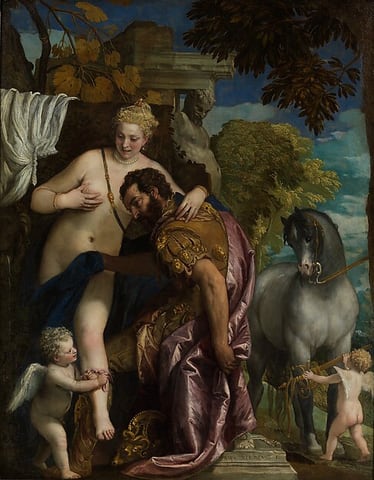
Mars and Venus United by LovePaolo Veronese (Paolo Caliari), 1570sCourtesy of The Metropolitan Museum of Art 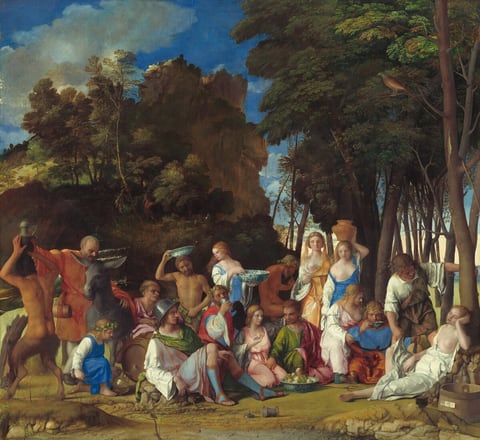
The Feast of the GodsGiovanni Bellini, 1514/1529Courtesy National Gallery of Art, Washington
Third room, north wall
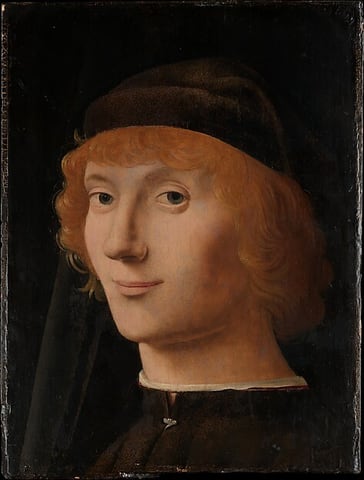
Portrait of a Young ManAntonello da Messina (Antonello di Giovanni d'Antonio), ca. 1470Courtesy of The Metropolitan Museum of Art 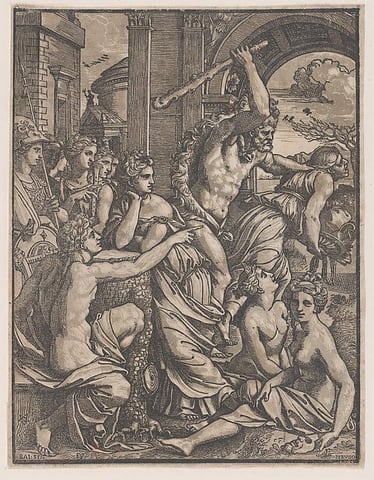
Hercules chasing Avarice from the Temple of the MusesUgo da Carpi, ca. 1520–27Courtesy of The Metropolitan Museum of Art
Third room, south wall
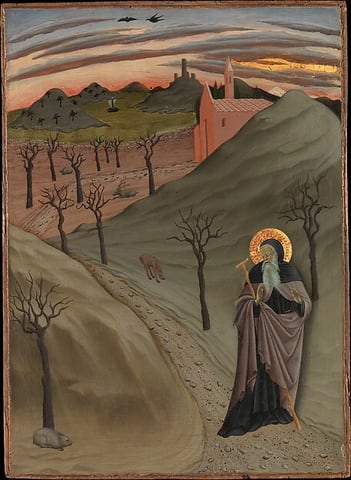
Saint Anthony the Abbot in the WildernessSano di Pietro (Ansano di Pietro di Mencio), ca. 1440Courtesy of The Metropolitan Museum of Art 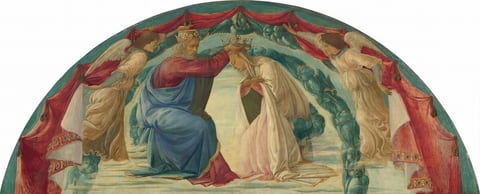
The Coronation of the VirginFilippino Lippi, c. 1475Courtesy National Gallery of Art, Washington