The Etching Revival
Artists who took up the etching needle again, from Whistler to the Paris printmakers.
Section 1, north wall
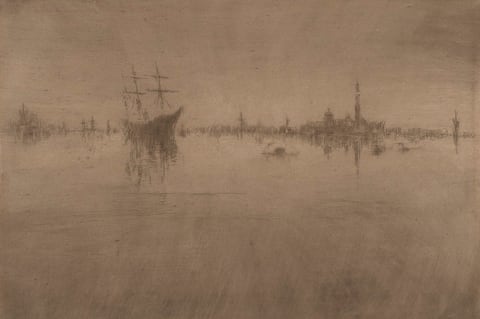
Nocturne, from Venice, a Series of Twelve Etchings (the "First Venice Set")James McNeill Whistler, 1879–80Courtesy of the Art Institute of Chicago 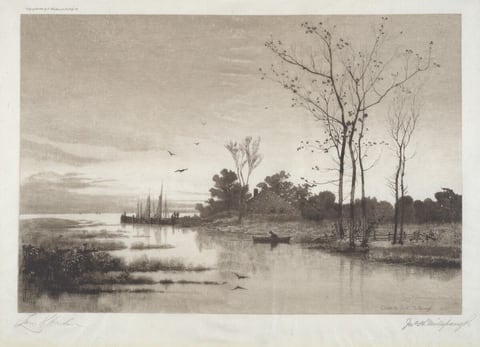
Shrewsbury RiverJohn Hill Millspaugh, 1887Courtesy National Gallery of Art, Washington
Section 1, south wall
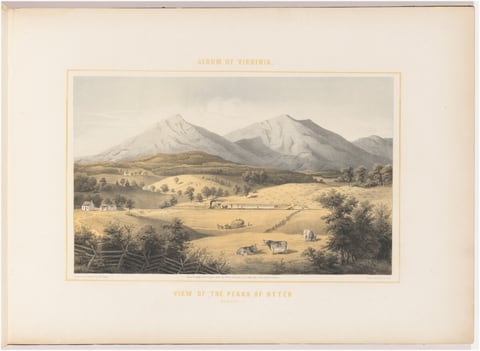
View of the Peaks of OtterWoldemar Rau, 1858Courtesy National Gallery of Art, Washington 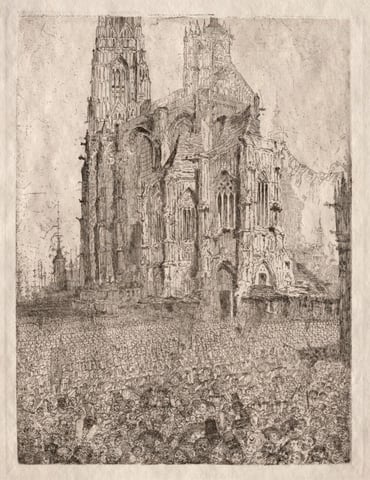
The CathedralJames Ensor, 1886Courtesy of the Cleveland Museum of Art
Section 2, south wall
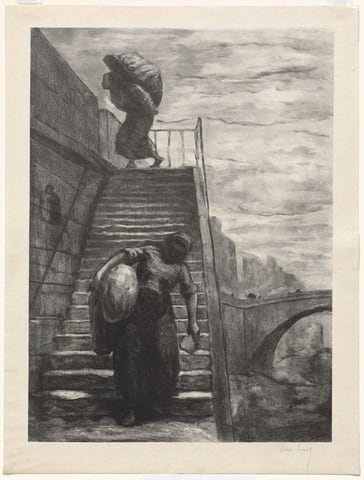
Washerwomen Descending a Quai StaircaseAlexandre Lunois, 1888Courtesy of the Cleveland Museum of Art 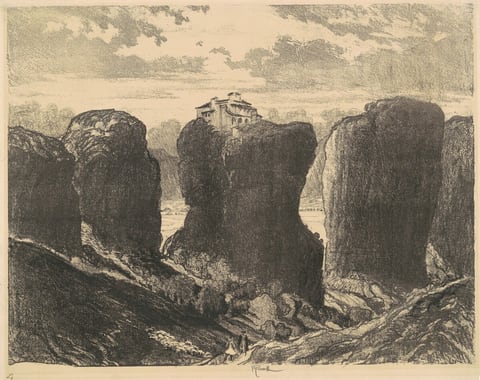
The Cliffs of the TrinityJoseph Pennell, 1913Courtesy National Gallery of Art, Washington
Section 2, north wall
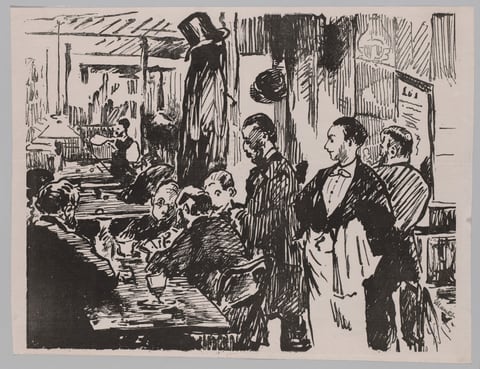
At the CaféÉdouard Manet, 1874Courtesy of the Cleveland Museum of Art 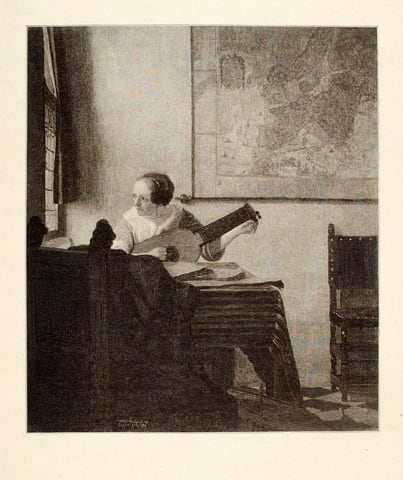
Lady with the LuteHenry Wolf, 1909Courtesy of the Smithsonian American Art Museum 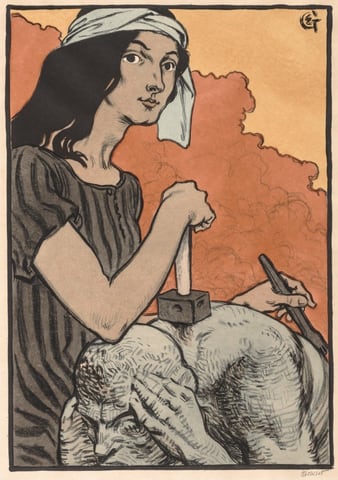
SculptressEugène Grasset, 1897Courtesy of the Cleveland Museum of Art
Section 3, north wall
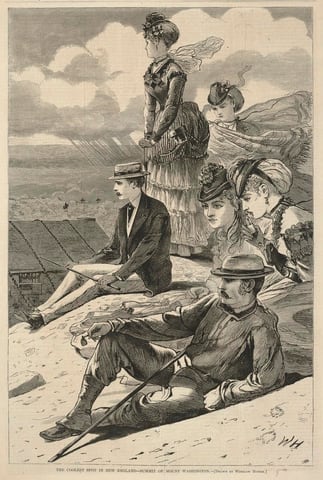
The Coolest Spot in New England--Summit of Mount Washington, from Harper's Bazar, July 23, 1870Winslow Homer, 1870Courtesy of the Smithsonian American Art Museum 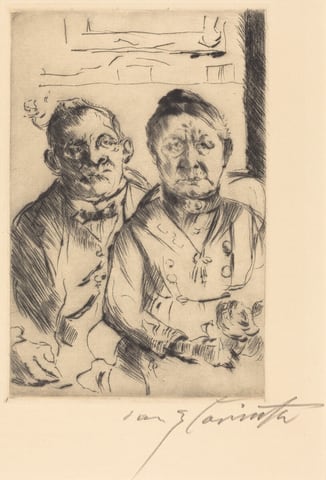
Ostpreussisches Ehepaar (Couple from East Prussia)Lovis Corinth, 1916Courtesy National Gallery of Art, Washington 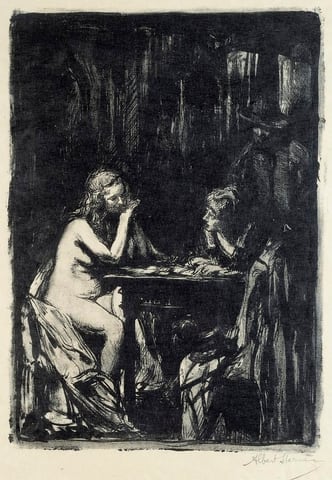
The StrangerAlbert Sterner, 1916Courtesy of the Smithsonian American Art Museum
Section 3, south wall
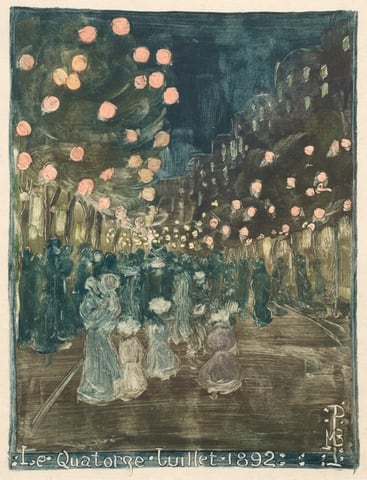
Bastille DayMaurice Prendergast, 1892Courtesy of the Cleveland Museum of Art 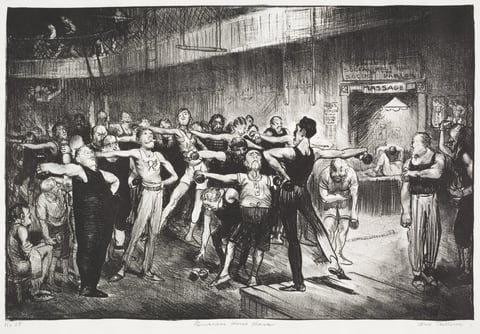
Business Men's ClassGeorge Bellows, 1916Courtesy of the Cleveland Museum of Art
Section 4, south wall
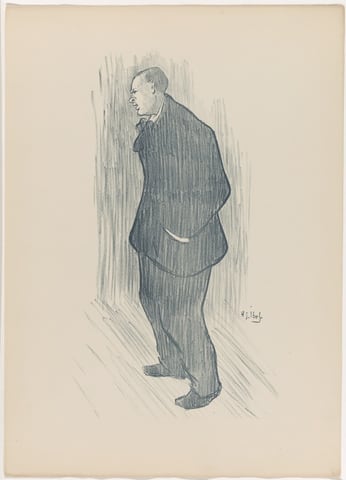
Mévisto, from Le Café-ConcertHenri-Gabriel Ibels, 1893Courtesy of the Art Institute of Chicago 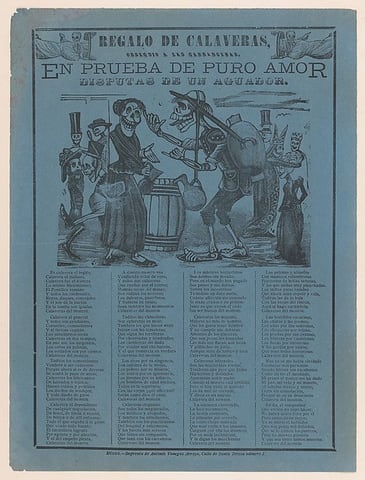
In proof of true love, a watercarrier skeleton arguing with a woman (Posada); two skeleton angels in upper corners (Manilla)José Guadalupe Posada, ca. 1890–96Courtesy of The Metropolitan Museum of Art