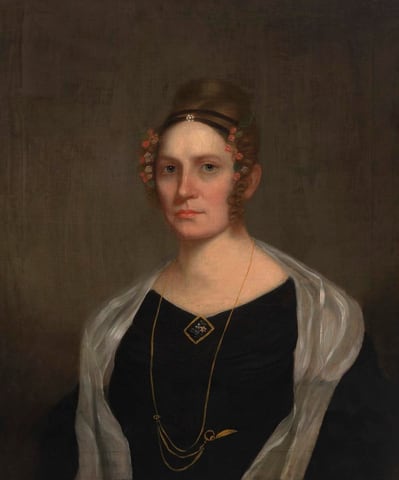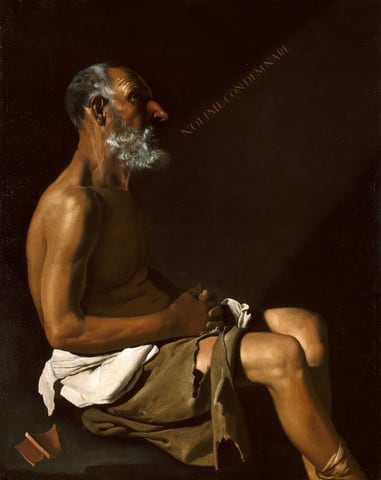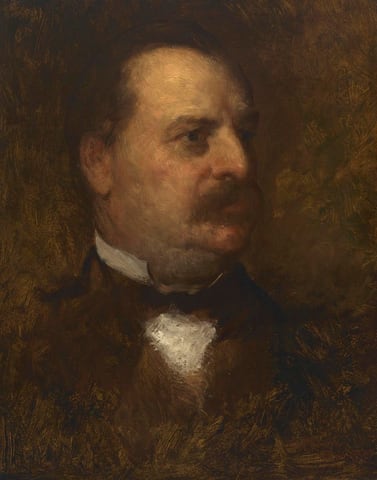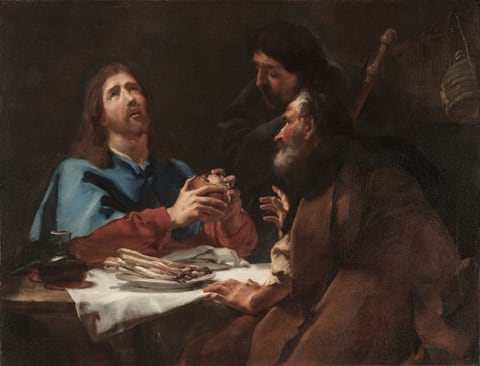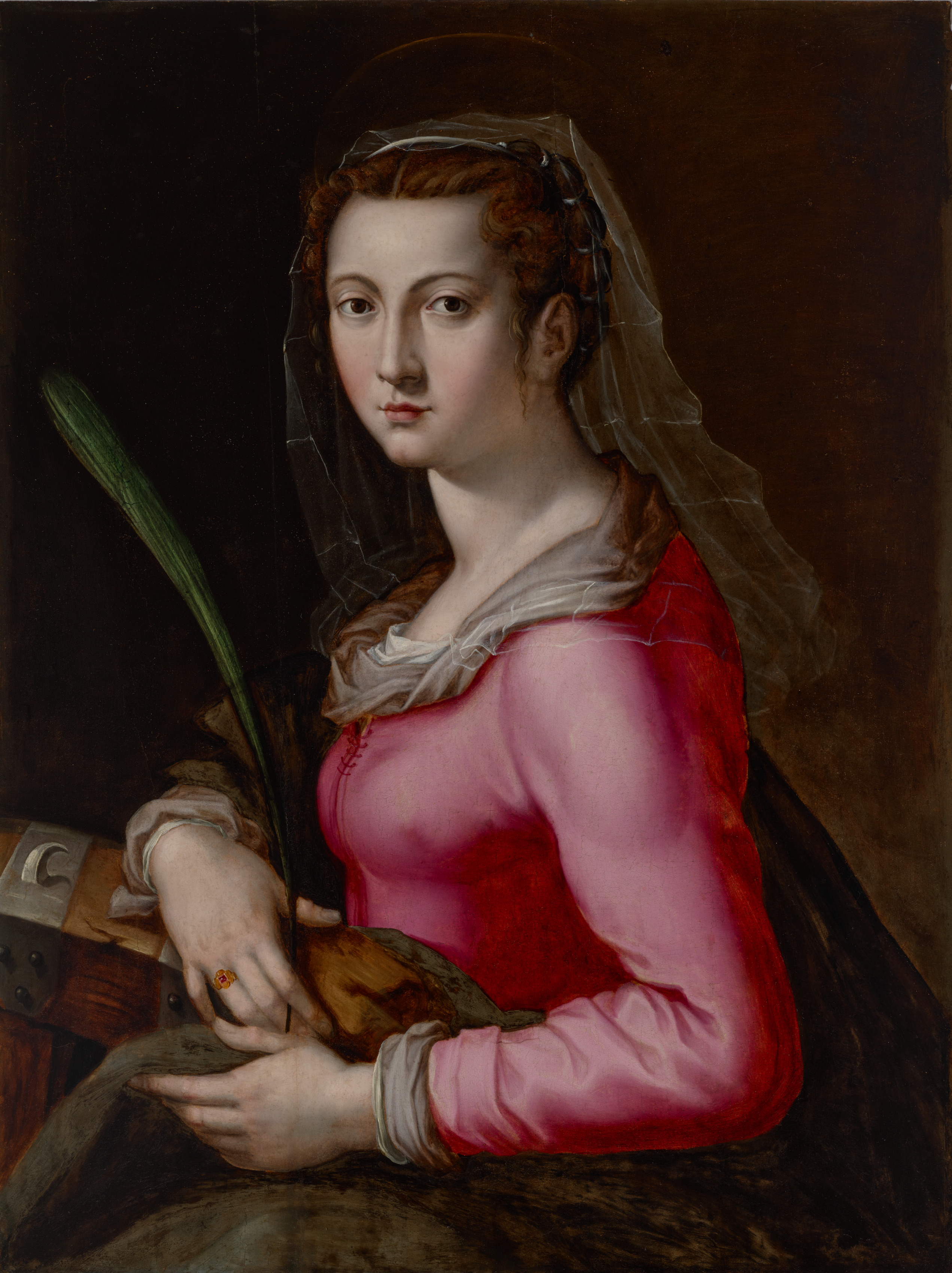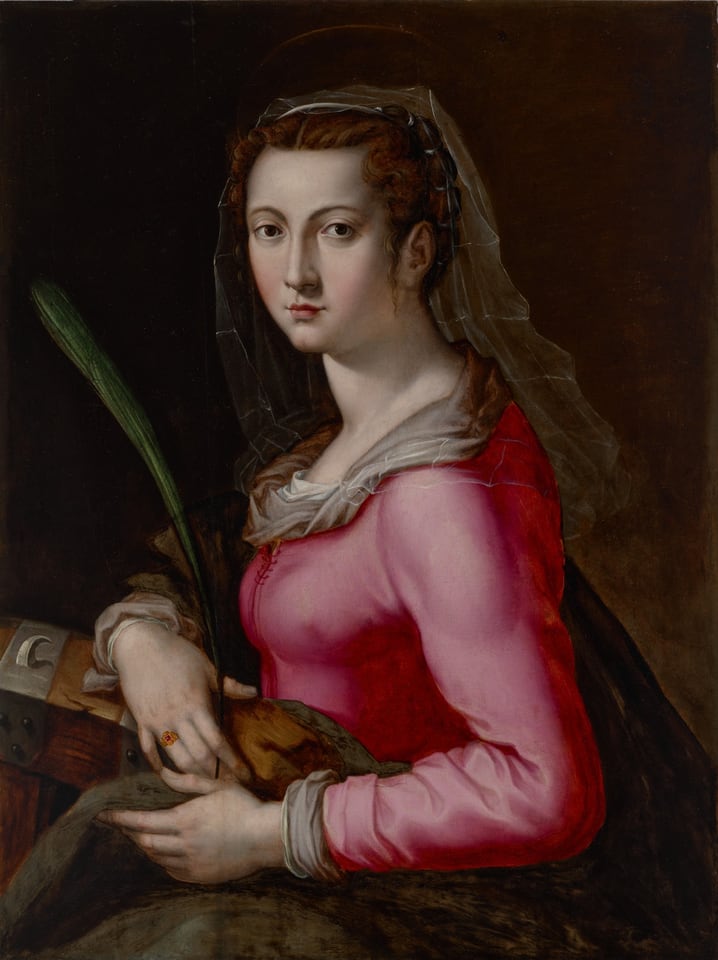
Portrait of a Woman as Saint Catherinec. 1560
Saint Catherine of Alexandria, a Christian, was martyred for refusing to make sacrifices to idols as decreed by the pagan Roman emperor Maxentius. More about this work
About this work
Saint Catherine of Alexandria, a Christian, was martyred for refusing to make sacrifices to idols as decreed by the pagan Roman emperor Maxentius. While Maxentius first attempted to slay Catherine with spiked wheels, the machine broke when she prayed for salvation, and the emperor subsequently beheaded her. Catherine is identified in portraits through objects related to her martyrdom, such as a broken wheel, or a palm branch symbolizing the victory of the eternal spirit over mortal flesh. In sixteenth-century Florence, patrician women were often portrayed as such exemplary figures, indicating the virtues of the sitter.
Text from the Cleveland Museum of Art.
How it was made
- Oil on panel
- Oil paint on prepared wooden boards, usually oak in the north and poplar in Italy. The rigid, smooth surface suits fine detail and thin, glowing glazes.
- Oil paint
- Pigment ground in a drying oil, usually linseed. It dries slowly, so painters could blend on the canvas, build up thin translucent glazes, and rework a picture over weeks. Canvas replaced wooden panels in the 1500s because it is lighter and can be rolled.
Pier Francesco Foschi
Italian, 1502–1567
Renaissance
European art from about 1400 to 1600, when painters rediscovered perspective and the classical past.
Rights and the museum’s record
Public domain. The Cleveland Museum of Art has dedicated this image to the public domain under CC0, so anyone may copy, adapt and use it, for any purpose, without asking. Our prints and files are reproductions made from the museum’s image; the museum doesn’t endorse them.
- Object number
- 1916.825
- Credit
- Courtesy of the Cleveland Museum of Art
- Type
- Painting
- Department
- European Painting and Sculpture
- Licence
- CC0 1.0 Universal
- Museum record
- See it on the museum’s site