Portrait of a Lady1627
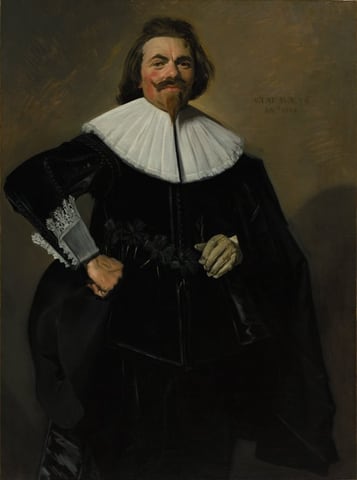
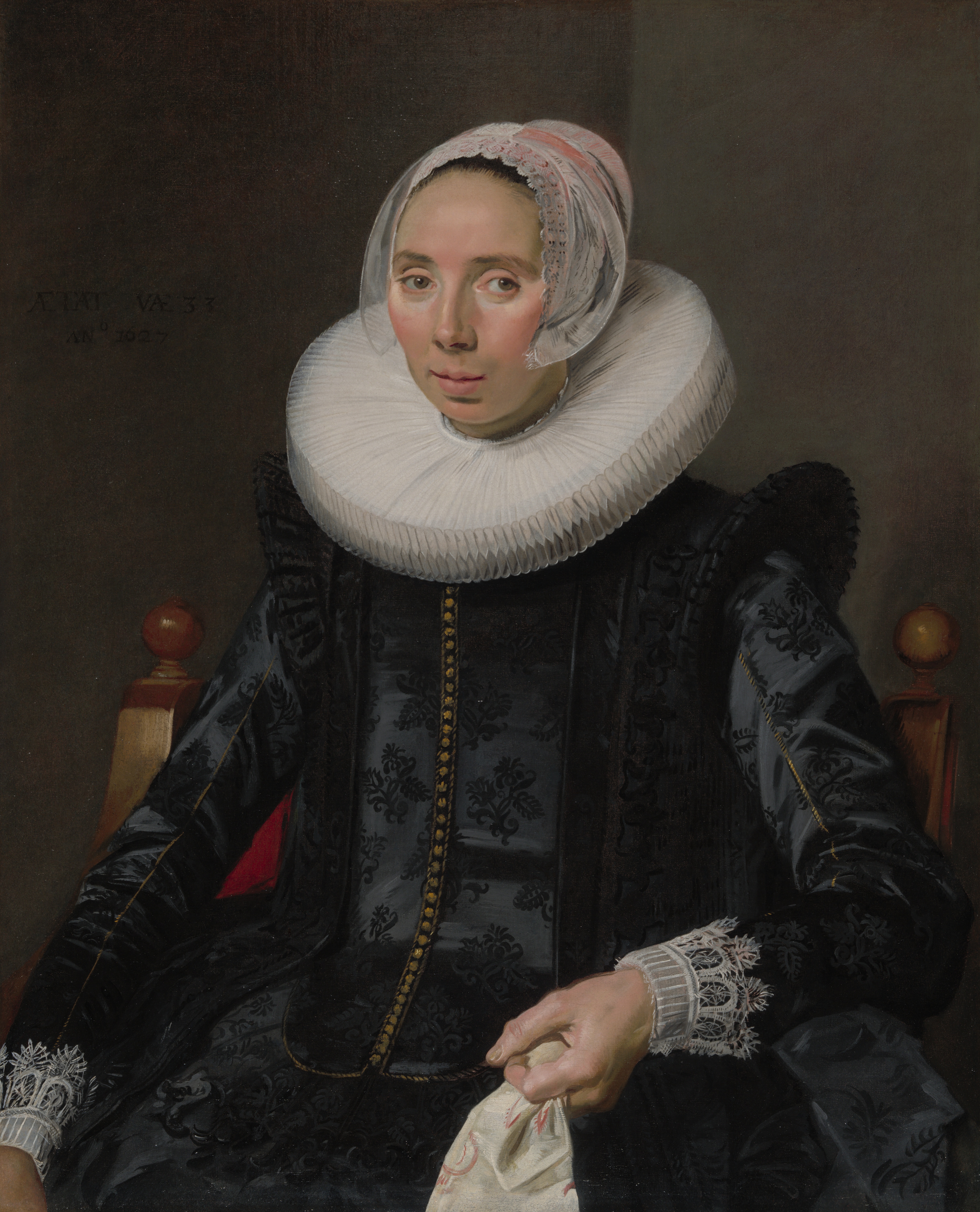
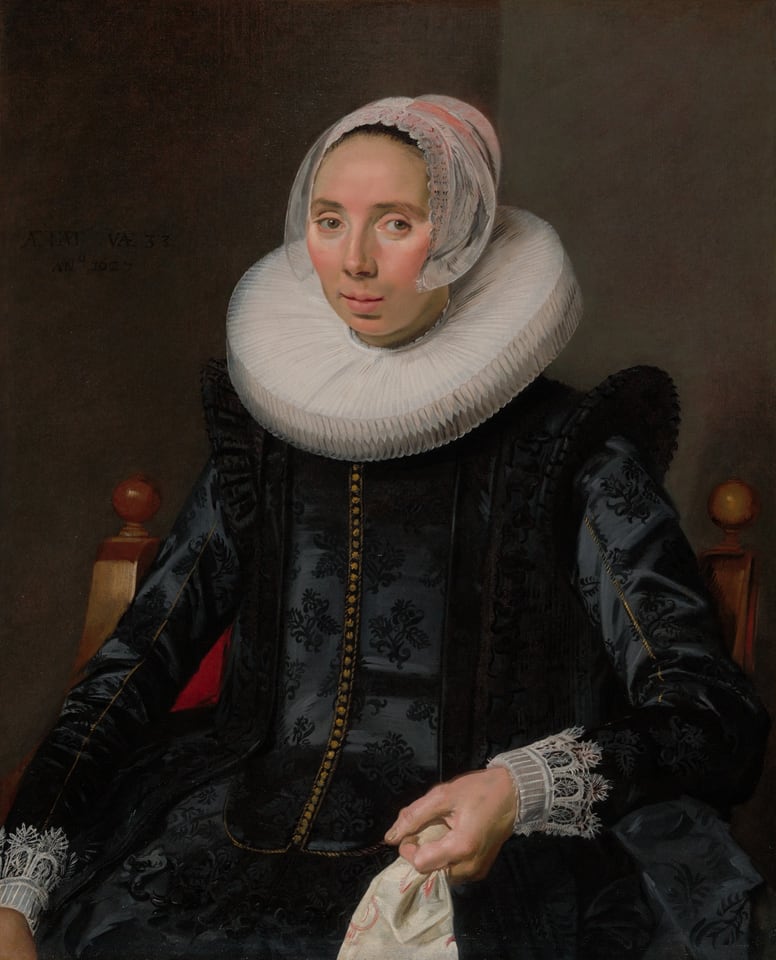
Frans Hals, one of the most celebrated portrait painters of the 17th century, demonstrated here his signature verve in inscribing decoration on black satin and capturing the freshness of his subject’s skin. More about this work
About this work
Frans Hals, one of the most celebrated portrait painters of the 17th century, demonstrated here his signature verve in inscribing decoration on black satin and capturing the freshness of his subject’s skin.
Text from the Art Institute of Chicago.
What you’re looking at
A work made of oil on canvas.
Description from the Art Institute of Chicago.
How it was made
- Oil paint
- Pigment ground in a drying oil, usually linseed. It dries slowly, so painters could blend on the canvas, build up thin translucent glazes, and rework a picture over weeks. Canvas replaced wooden panels in the 1500s because it is lighter and can be rolled.
Frans Hals
Dutch, 1582–1666 · Born in Antwerp; died in Haarlem.
Hals was born in Antwerp but spent his whole career in Haarlem, where he became its leading portraitist. His loose, rapid brushwork, unusual for its time, gives his sitters a sense of movement and spontaneity, whether in commissioned likenesses, lively genre figures or the large group portraits of the city’s civic guards and almshouse regents. His late, darker style was little valued after his death, but painters such as Manet and Van Gogh admired him intensely.
Written by Ochre Editions.
Rights and the museum’s record
Public domain. The Art Institute of Chicago has dedicated this image to the public domain under CC0, so anyone may copy, adapt and use it, for any purpose, without asking. Our prints and files are reproductions made from the museum’s image; the museum doesn’t endorse them.
- Object number
- 1954.287
- Credit
- Courtesy of the Art Institute of Chicago
- Type
- Painting
- Department
- Painting and Sculpture of Europe
- Licence
- CC0 1.0 Universal
- Museum record
- See it on the museum’s site