Ukiyo-e
Japanese woodblock prints of the floating world: actors, courtesans, landscapes and the sea.
Section 1, north wall
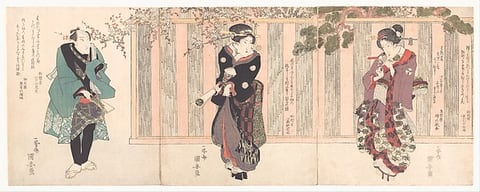
Three Kabuki Actors Playing HanetsukiUtagawa Kuniyasu, ca. 1823Courtesy of The Metropolitan Museum of Art 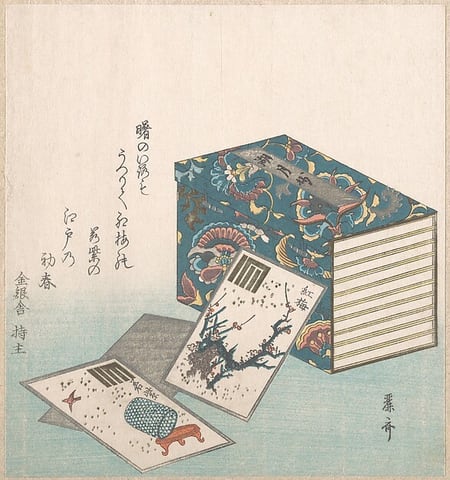
Books and CardsReisai, 18th–19th centuryCourtesy of The Metropolitan Museum of Art 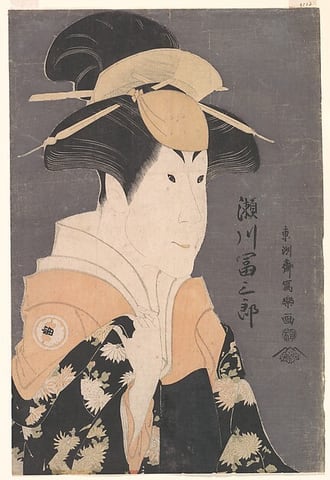
Segawa Tomisaburō II as Yadorigi in the Play "Hana Ayame Bunroku Soga"Tōshūsai Sharaku, 1794Courtesy of The Metropolitan Museum of Art
Section 1, south wall
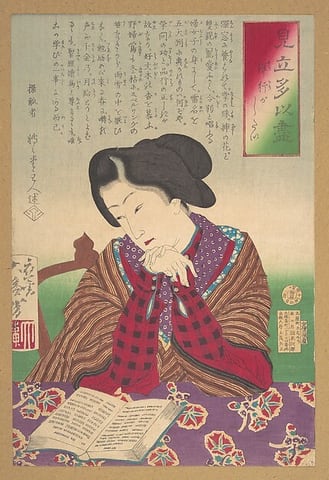
Collection of Desires, Wish for Foreign Travel (Mitate Tai zukushi-yōkō ga shitai)Tsukioka Yoshitoshi, January, 1878Courtesy of The Metropolitan Museum of Art 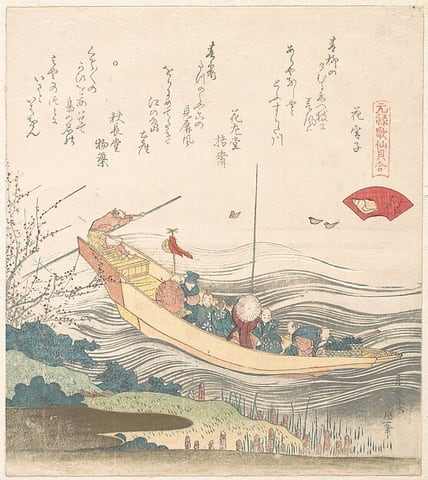
Miyako ShellKatsushika Hokusai, probably 1821Courtesy of The Metropolitan Museum of Art 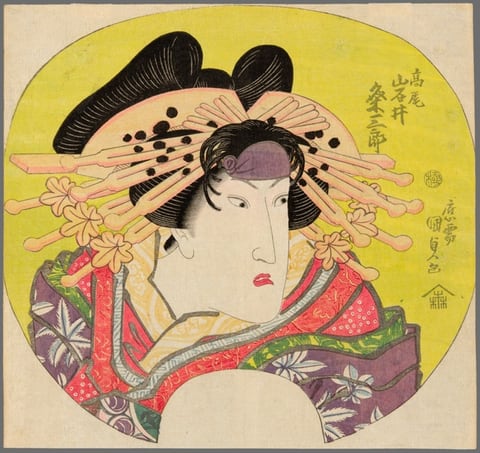
Iwai Kumesaburo II as the Courtesan Takao in Banzei Okuni KabukiUtagawa Kunisada, c. 1827Courtesy of the Art Institute of Chicago
Section 2, south wall
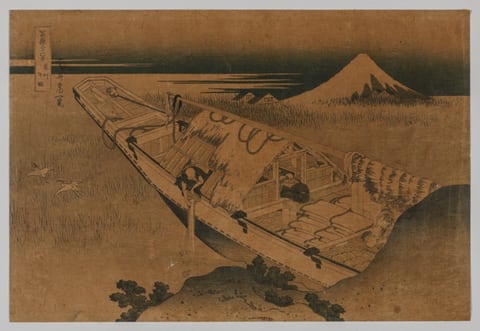
Fuji from Ushibori, Province of HitachiKatsushika Hokusai, 1760–1849Courtesy of the Cleveland Museum of Art 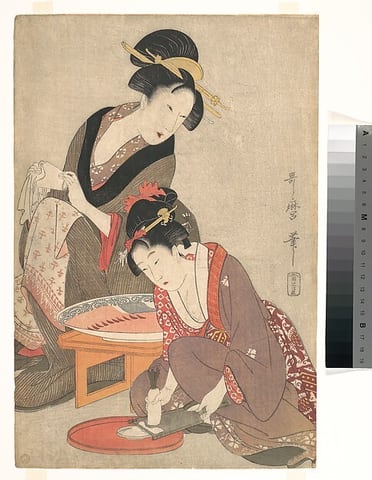
Women Grating Radish for SashimiKitagawa Utamaro, ca. 1798–99Courtesy of The Metropolitan Museum of Art
Section 2, north wall
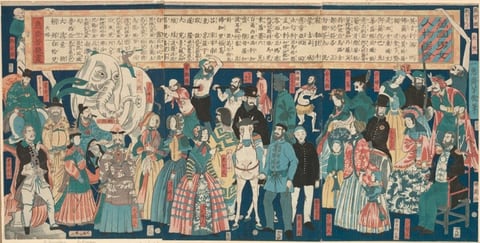
Picture of Men and Women from Many Countries (Bankoku danjo jinbutsu zue)Utagawa Yoshiiku, 1861Courtesy of the Art Institute of Chicago 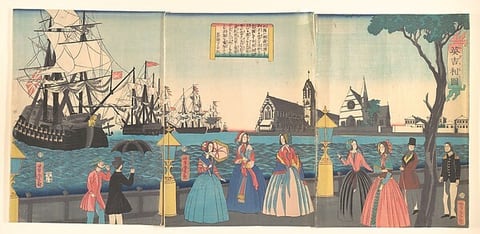
England (Igirisukoku)Utagawa Yoshitora, 2nd month, 1865Courtesy of The Metropolitan Museum of Art
Section 3, north wall
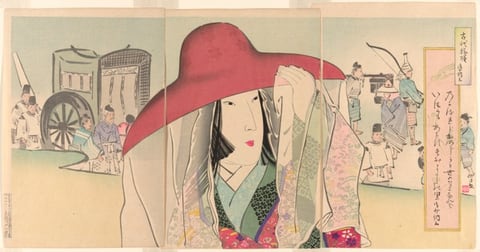
Sei Shonagon, from the series Ancient Patterns (Kodai moyo)Kobayashi Kiyochika, Meiji period (1896–1912), 1896Courtesy of the Art Institute of Chicago 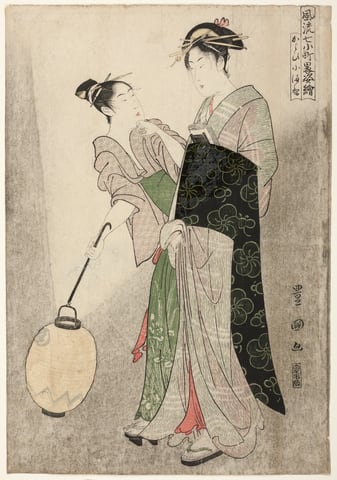
Courting Komachi (Kayoi Komachi), from the series Seven Fashionable Figures of Ono no Komachi (Furyu nana Komachi yatushi sugata-e)Utagawa Toyokuni, Edo period (1615–1868), about 1792Courtesy of the Art Institute of Chicago 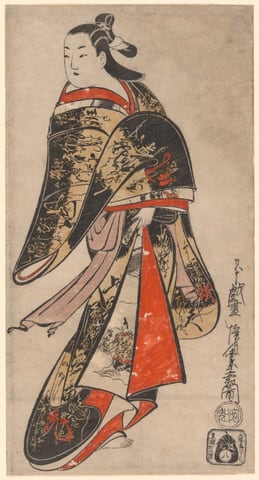
Courtesan WalkingKaigetsudo Anchi, c. 1714Courtesy of the Art Institute of Chicago
Section 3, south wall
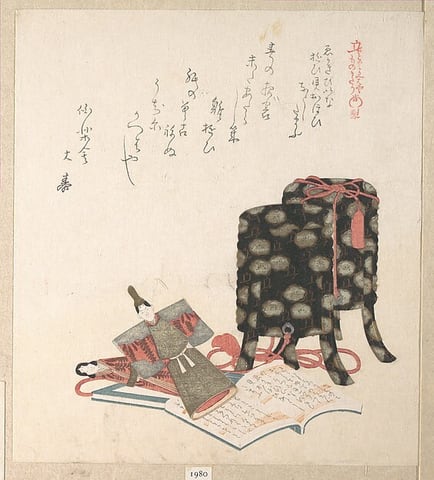
The Doll Festival, Third Day of the Third MonthKubo Shunman, 19th centuryCourtesy of The Metropolitan Museum of Art 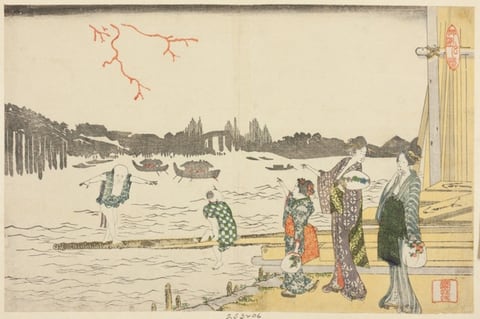
Women and Children Viewing the FireworksKatsushika Hokusai, c. 1798Courtesy of the Art Institute of Chicago 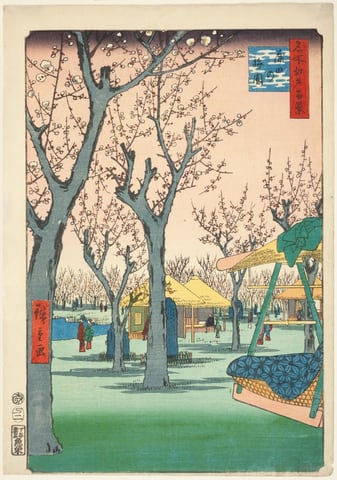
The Plum Orchard at Kamata (Kamata no umezono), from the series "One Hundred Famous Views of Edo (Meisho Edo hyakkei)"Utagawa Hiroshige, 1857Courtesy of the Art Institute of Chicago