The American Gilded Age
Works in this room
Painting and design in the United States from the Civil War to 1910.
First room, north wall
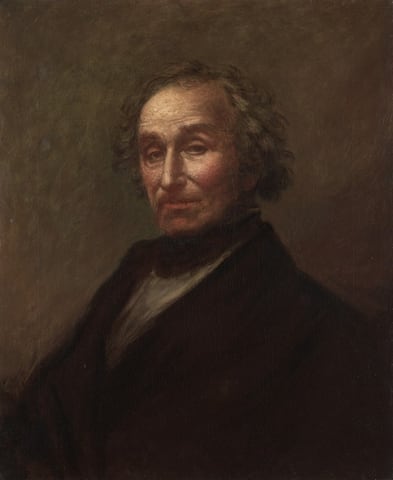
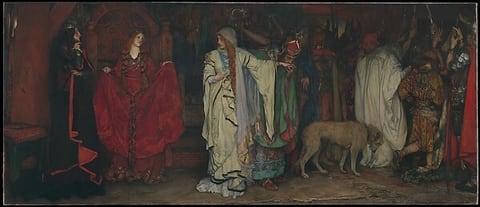
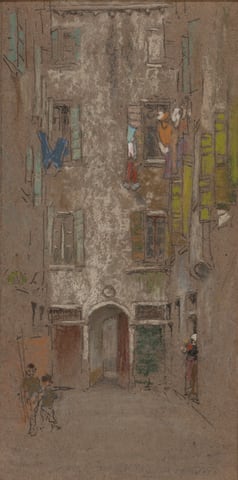
Alvan ClarkUnrecorded American maker, 1870sCourtesy of the Cleveland Museum of Art "King Lear," Act I, Scene IEdwin Austin Abbey, 1898Courtesy of The Metropolitan Museum of Art Corte del ParadisoJames McNeill Whistler, 1880Courtesy of the Art Institute of Chicago
First room, south wall
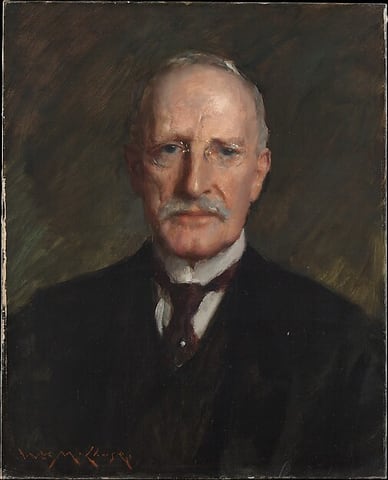
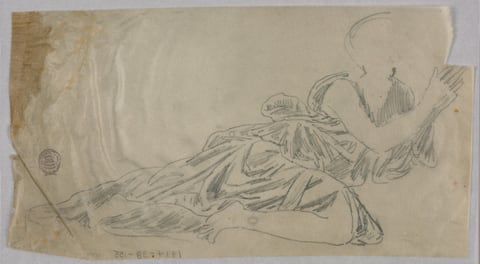
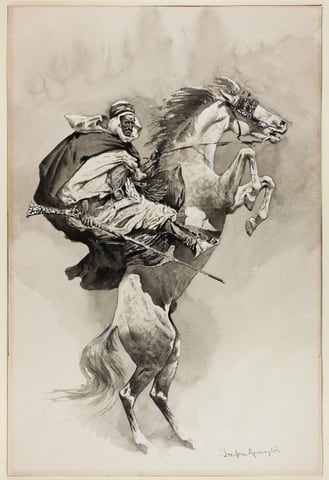
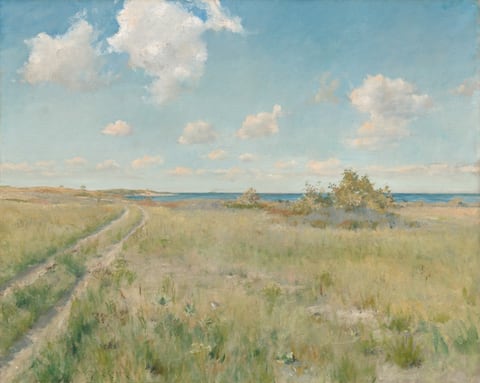
Edward Guthrie KennedyWilliam Merritt Chase, ca. 1895Courtesy of The Metropolitan Museum of Art Drapery StudyFrancis Augustus Lathrop, ca. 1895Courtesy of Cooper Hewitt, Smithsonian Design Museum "As They Threw their Animals Back upon their Haunches," illustration for An Arabian Day and Night, in Harper's New Monthly MagazineFrederic Remington, n.d.Courtesy of the Art Institute of Chicago The Old Road to the SeaWilliam Merritt Chase, c. 1893Courtesy of the Cleveland Museum of Art
Second room, south wall
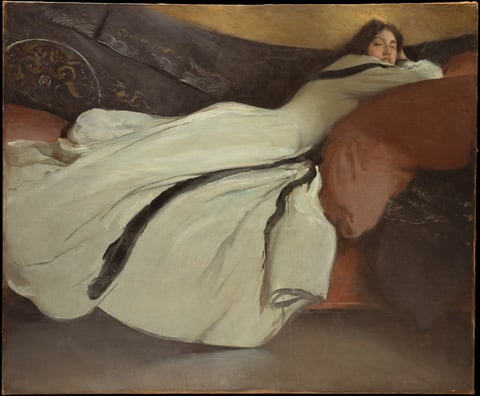
ReposeJohn White Alexander, 1895Courtesy of The Metropolitan Museum of Art 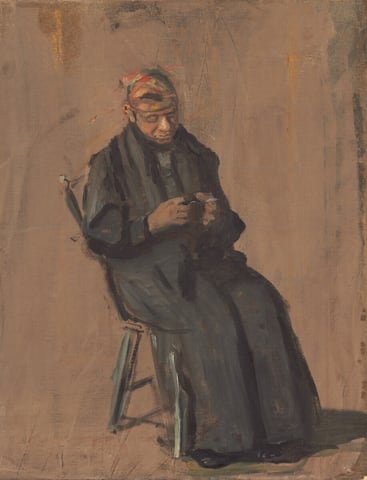
The ChaperoneThomas Eakins, c. 1908Courtesy National Gallery of Art, Washington 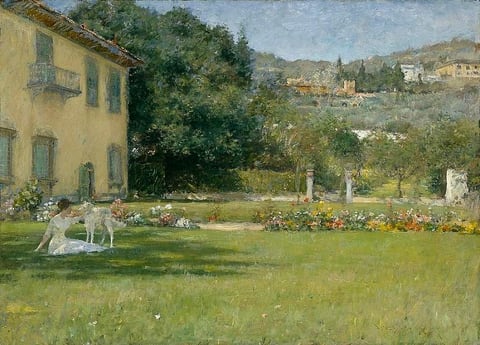
Good FriendsWilliam Merritt Chase, (c. 1909)Courtesy of the Hirshhorn Museum and Sculpture Garden, Smithsonian Institution
Second room, north wall
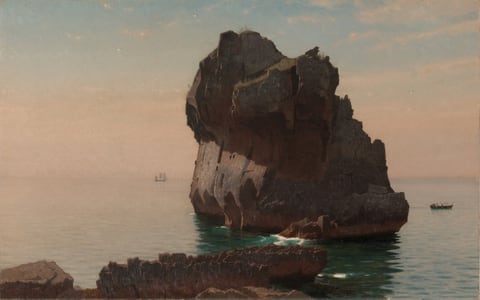
CapriWilliam Stanley Haseltine, 1869Courtesy of the Cleveland Museum of Art 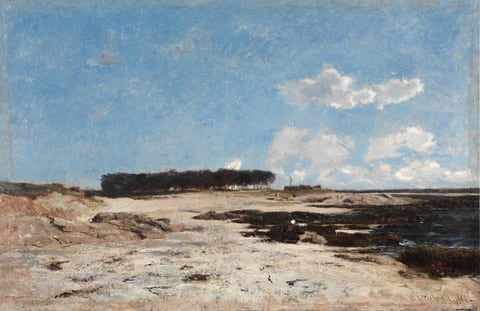
Pointe de Cabellou, BrittanyWilliam L. Picknell, 1881Courtesy of the Cleveland Museum of Art 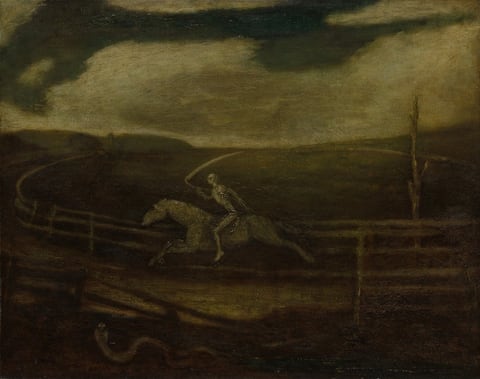
The Race Track (Death on a Pale Horse)Albert Pinkham Ryder, c. 1896–1908Courtesy of the Cleveland Museum of Art
Third room, north wall
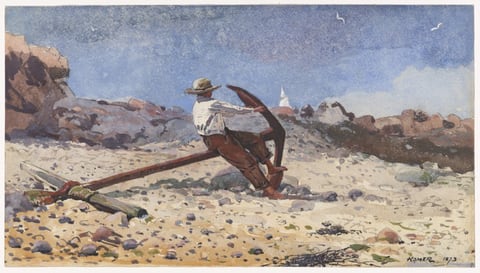
Boy with AnchorWinslow Homer, 1873Courtesy of the Cleveland Museum of Art 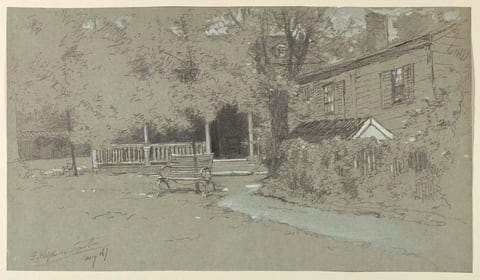
The Old Hopkinson House, Bordentown, NJFrancis Hopkinson Smith, ca. 1880Courtesy of Cooper Hewitt, Smithsonian Design Museum 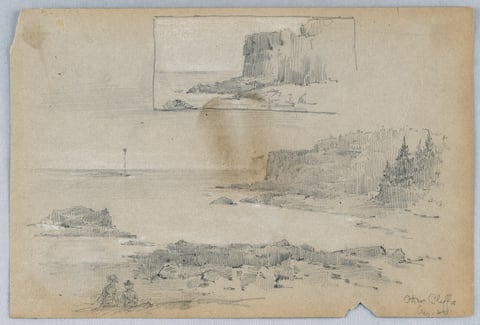
Otter CliffsArnold William Brunner, 1879–80Courtesy of Cooper Hewitt, Smithsonian Design Museum