Renaissance
Works in this room
European art from about 1400 to 1600, when painters rediscovered perspective and the classical past.
Section 1, north wall
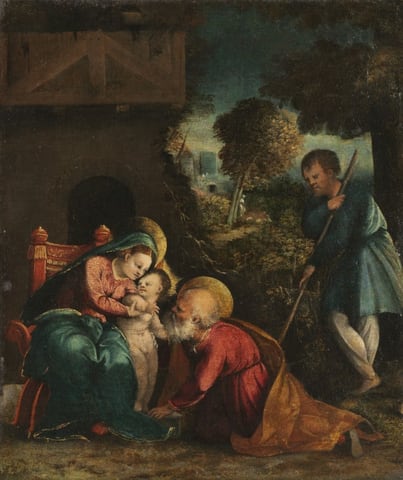
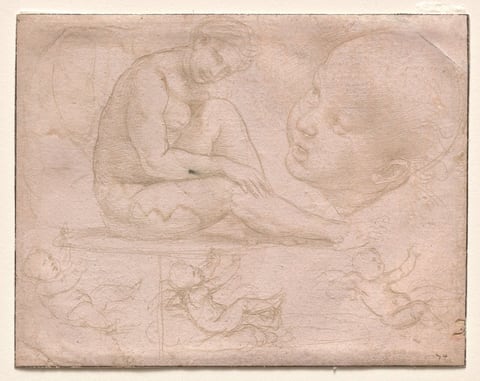
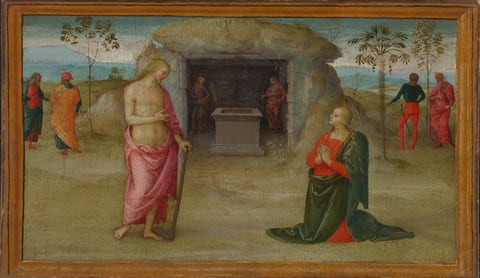
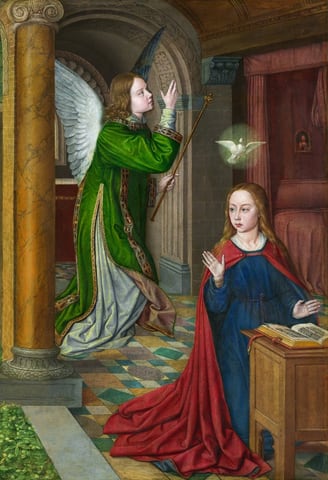
Holy Family with a ShepherdBattista Dossi, early 1520sCourtesy of the Cleveland Museum of Art Studies of a Seated Female, Child's Head, and Three Studies of a BabyRaphael, c. 1507–8Courtesy of the Cleveland Museum of Art Noli Me TangerePerugino, 1500–05Courtesy of the Art Institute of Chicago The AnnunciationJean Hey (called Master of Moulins), 1490–95Courtesy of the Art Institute of Chicago
Section 1, south wall
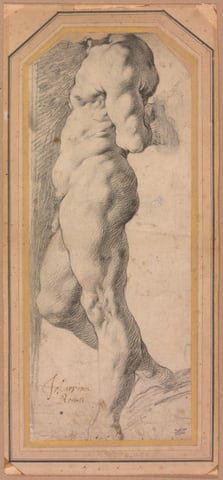
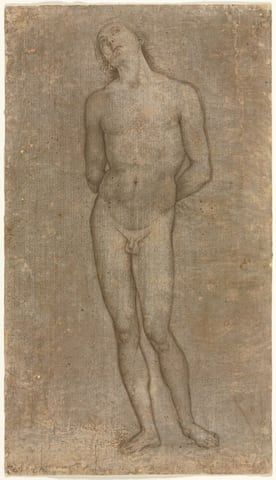
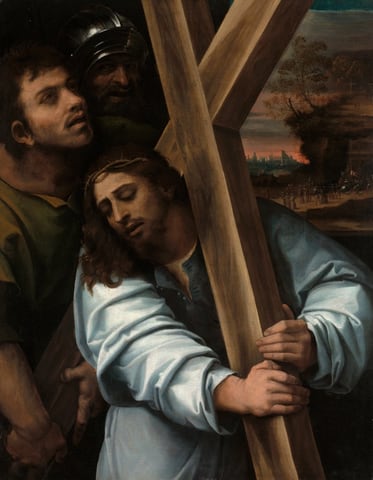
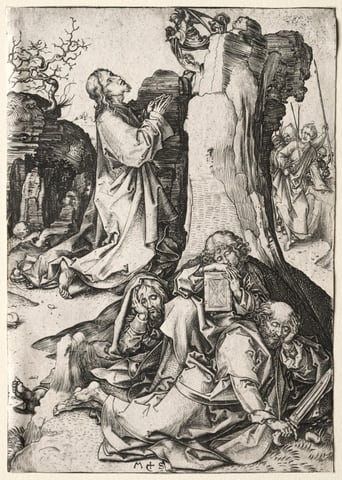
Study of a Standing Male NudeGiuseppe Cesari, called Cavaliere d'Arpino, 1595/96Courtesy of the Art Institute of Chicago Saint SebastianPerugino, c. 1493Courtesy of the Cleveland Museum of Art Christ Carrying the CrossSebastiano del Piombo, c. 1515–17Courtesy of the Art Institute of Chicago The Passion: The Agony in the GardenMartin Schongauer, c. 1480Courtesy of the Cleveland Museum of Art
Section 2, south wall
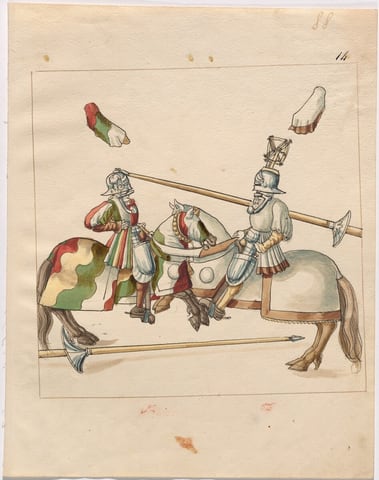
Mock Joust of War with Flying Shields and Without BevorsUnrecorded German maker, c.1512-1515Courtesy National Gallery of Art, Washington 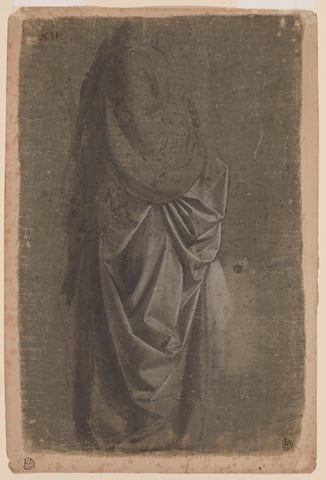
Drapery Study of a Standing Figure Facing Right, in ProfileAndrea del Verrocchio, late 1460s–early 1470sCourtesy of the Art Institute of Chicago 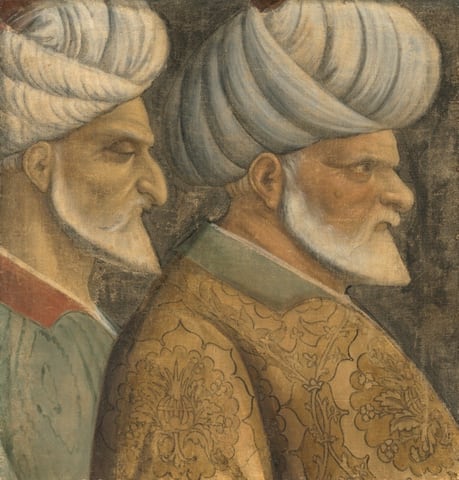
Sinan Reis and Hayreddin BarbarossaItalian, c. 1535Courtesy of the Art Institute of Chicago 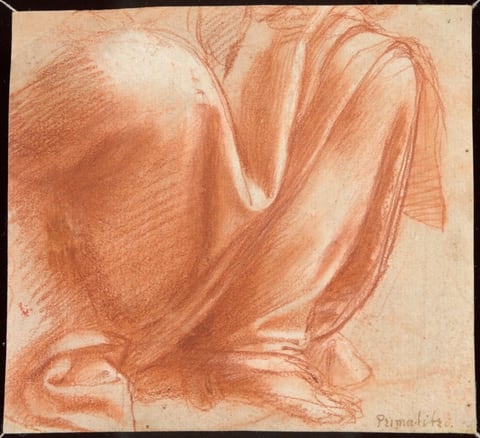
A Drapery Study for the Knees of a Seated Allegorical Figure of Charity (recto); Bust of a Naked Allegorical Figure of Charity with Two Putti (verso)Giovanni Antonio di Francesco Sogliani, 1520/30Courtesy of the Art Institute of Chicago
Section 2, north wall
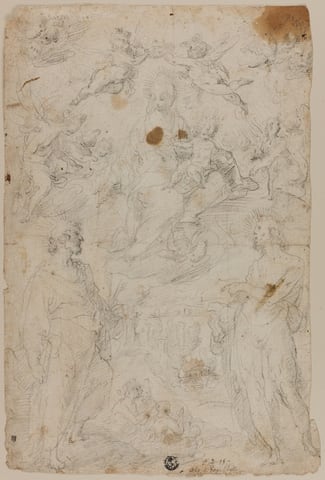
Virgin and Child with Saints Peter and John the Baptist (recto); Saint John the Baptist (verso)Pietro d' Asaro, n.d.Courtesy of the Art Institute of Chicago 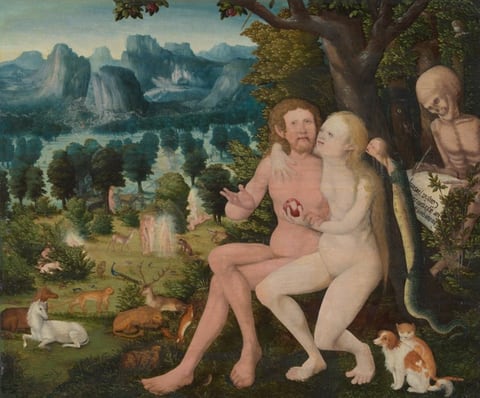
The Fall of Man with Scenes of the CreationAugustus Cordus, 1544Courtesy of the Art Institute of Chicago 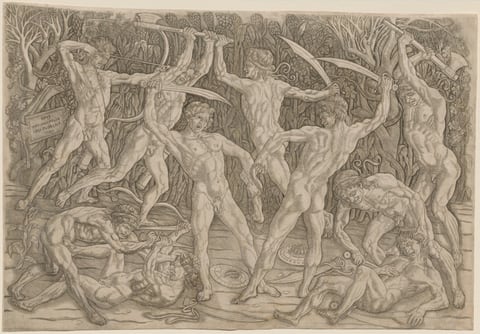
Battle of the NudesAntonio Pollaiuolo, 1470s–80sCourtesy of the Cleveland Museum of Art 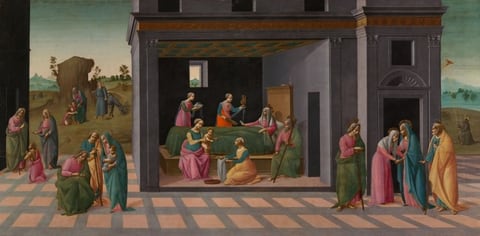
Scenes from the Life of Saint John the BaptistBartolomeo di Giovanni, 1490/95Courtesy of the Art Institute of Chicago