Spain
Works in this room
Works made in Spain, from every century in the collection.
Section 1, north wall
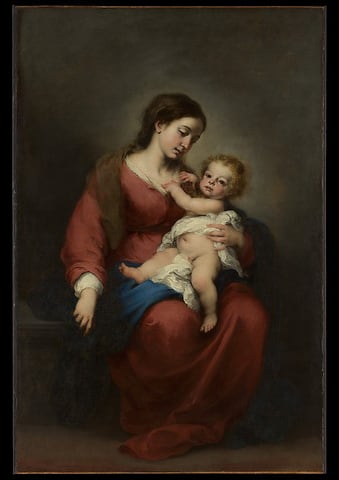
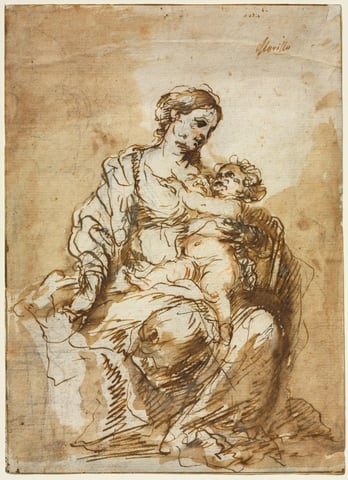
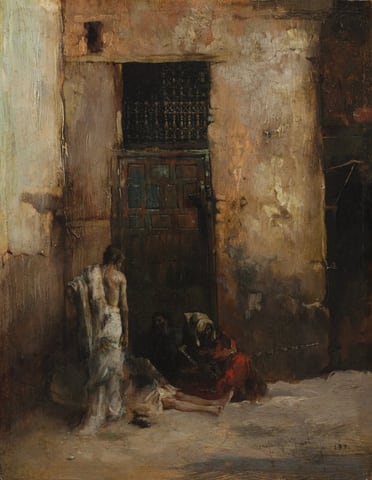
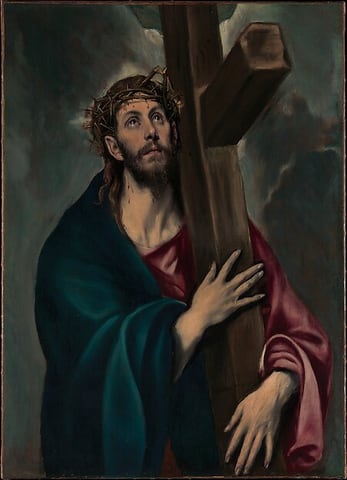
Virgin and ChildBartolomé Esteban Murillo, 1670sCourtesy of The Metropolitan Museum of Art Madonna Nursing the Christ ChildBartolomé Esteban Murillo, c. 1670–72Courtesy of the Cleveland Museum of Art Beggars by a DoorMariano Fortuny, 1870Courtesy of the Cleveland Museum of Art Christ Carrying the CrossEl Greco, ca. 1577–87Courtesy of The Metropolitan Museum of Art
Section 1, south wall
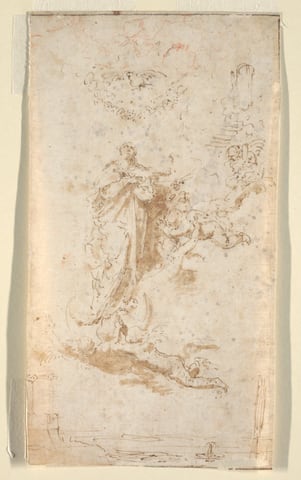
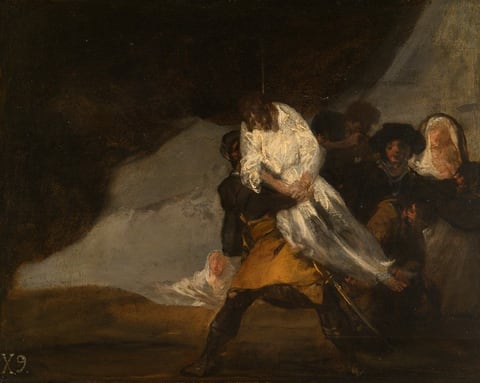
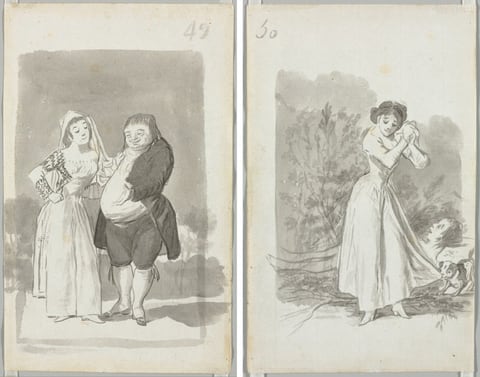
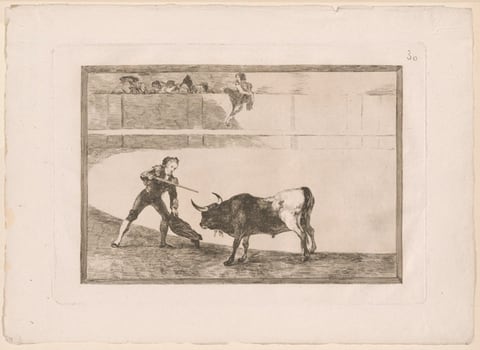
The Immaculate ConceptionJusepe de Ribera (called Lo Spagnoletto), ca. 1640Courtesy of Cooper Hewitt, Smithsonian Design Museum The Hanged MonkFrancisco Goya, c. 1810Courtesy of the Art Institute of Chicago Young Woman (possibly a Sex Worker) with a Man (recto); Young Woman Wringing Her Hands over a Man's Naked Body (verso)Francisco Goya, 1796–97Courtesy of the Cleveland Museum of Art Pedro Romero killing the halted bull, plate 30 from The Art of BullfightingFrancisco Goya, 1814/16, published 1816Courtesy of the Art Institute of Chicago
Section 2, south wall
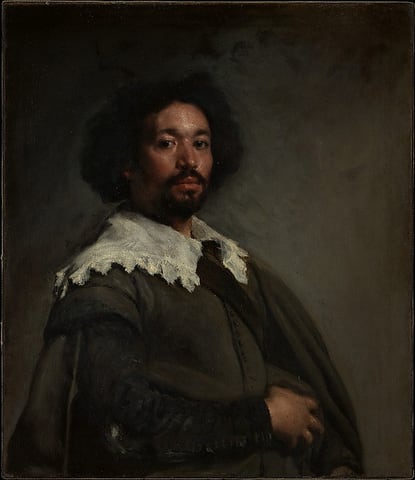
Juan de Pareja (ca. 1608–1670)Diego Velázquez, 1650Courtesy of The Metropolitan Museum of Art 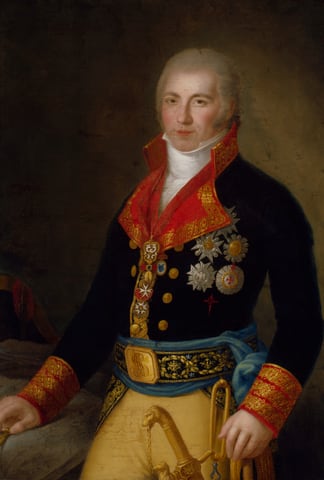
Manuel GodoyAgustin Esteve y Marqués, 1800–8Courtesy of the Art Institute of Chicago 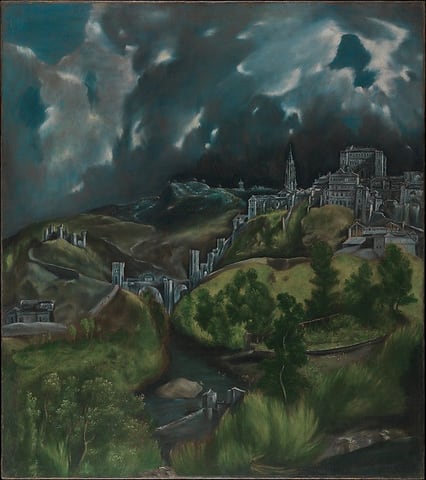
View of ToledoEl Greco, ca. 1599–1600Courtesy of The Metropolitan Museum of Art
Section 2, north wall
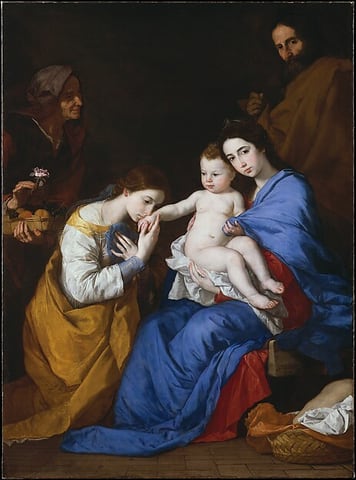
The Holy Family with Saints Anne and Catherine of AlexandriaJusepe de Ribera (called Lo Spagnoletto), 1648Courtesy of The Metropolitan Museum of Art 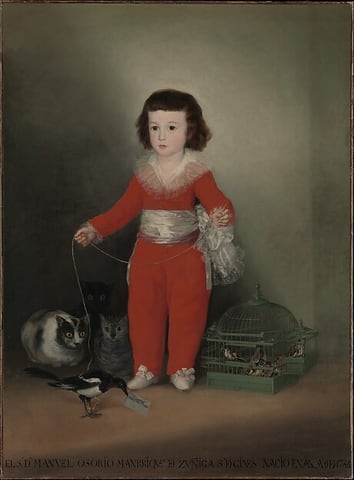
Manuel Osorio Manrique de Zuñiga (1784–1792)Francisco Goya, 1787–88Courtesy of The Metropolitan Museum of Art
Section 3, north wall
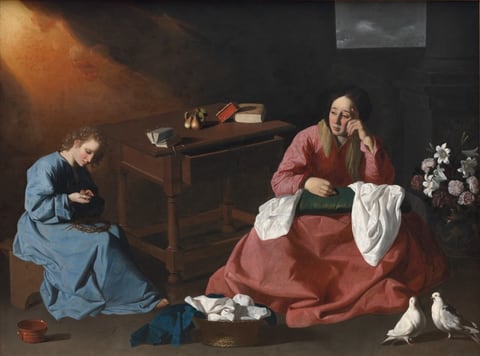
Christ and the Virgin in the House at NazarethFrancisco de Zurbarán, c. 1640Courtesy of the Cleveland Museum of Art 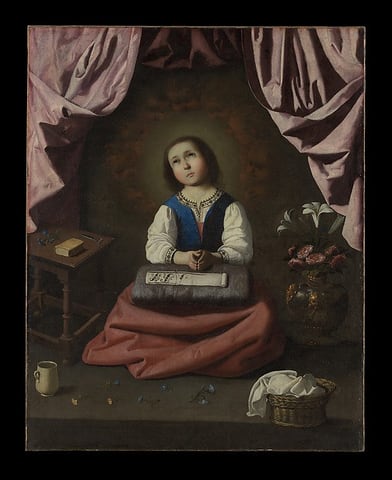
The Young VirginFrancisco de Zurbarán, ca. 1632–33Courtesy of The Metropolitan Museum of Art 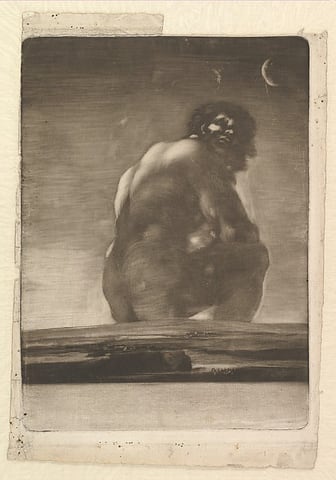
Seated GiantFrancisco Goya, by 1818 (possibly 1814–18)Courtesy of The Metropolitan Museum of Art