18th-century Italy
Works in this room
Works made in Italy in the 18th century.
First room, north wall
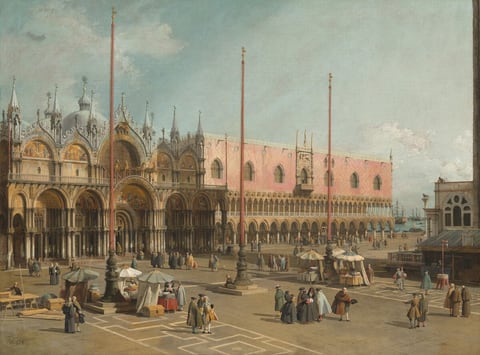
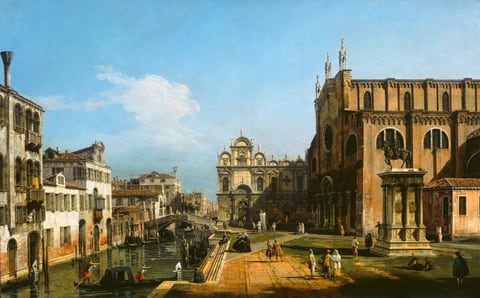
The Square of Saint Mark's, VeniceCanaletto, 1742/1744Courtesy National Gallery of Art, Washington The Campo di SS. Giovanni e Paolo, VeniceBernardo Bellotto, 1743/1747Courtesy National Gallery of Art, Washington
First room, south wall
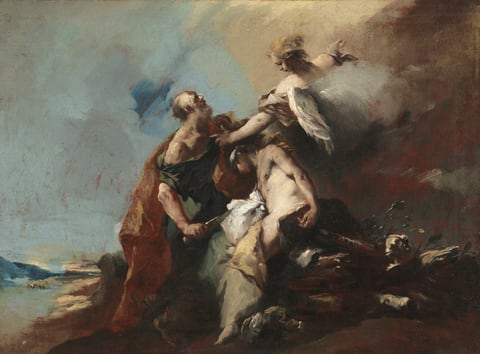
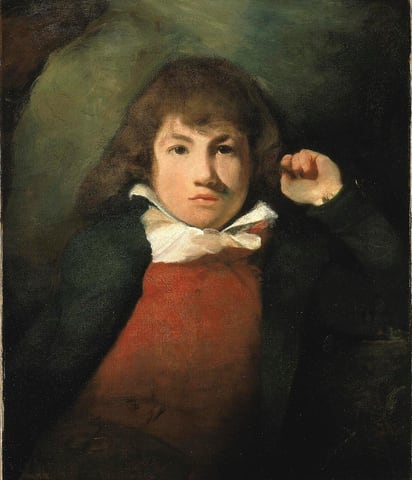
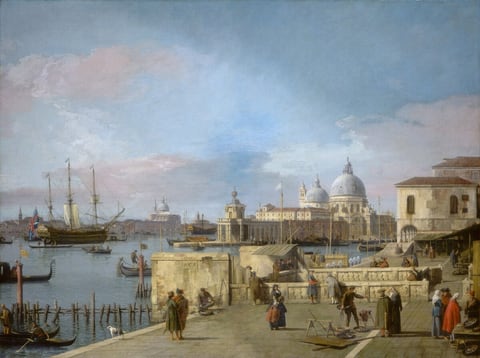
The Sacrifice of IsaacFrancesco Guardi, 1750sCourtesy of the Cleveland Museum of Art Portrait of a BoyUnrecorded Italian maker, ca. 1800Courtesy of the Smithsonian American Art Museum Entrance to the Grand Canal from the Molo, VeniceCanaletto, 1742/1744Courtesy National Gallery of Art, Washington
Second room, south wall
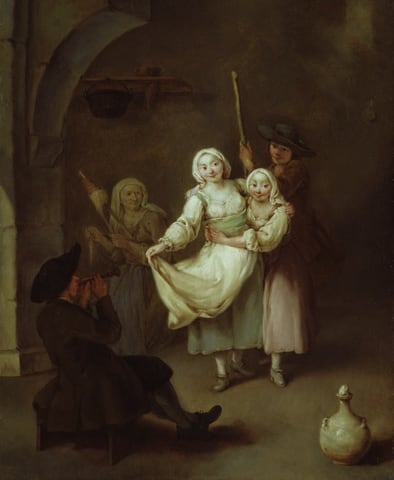
The DancePietro Longhi, c. 1750Courtesy of the Art Institute of Chicago 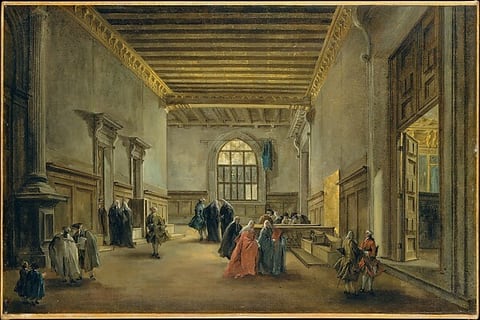
The Antechamber of the Sala del Maggior ConsiglioFrancesco Guardi, ca. 1765–68Courtesy of The Metropolitan Museum of Art
Second room, north wall
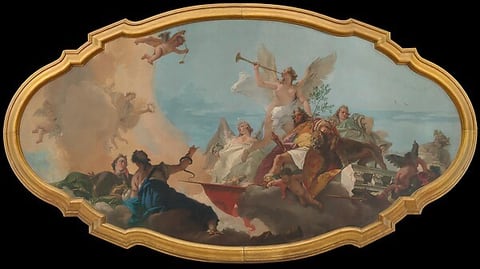
The Glorification of the Barbaro FamilyGiovanni Battista Tiepolo, ca. 1750Courtesy of The Metropolitan Museum of Art 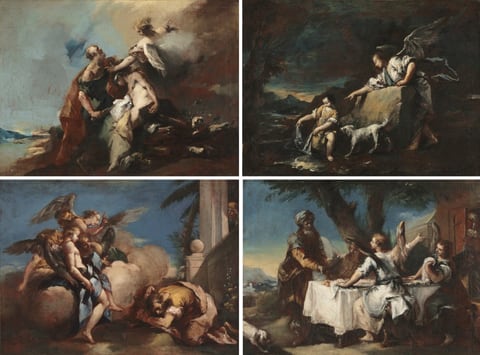
The Sacrifice of Isaac, Tobias and the Angel, The Angels Appearing to Abraham, Abraham Welcoming the Three Angels (painting series)Francesco Guardi, 1750sCourtesy of the Cleveland Museum of Art
Third room, north wall
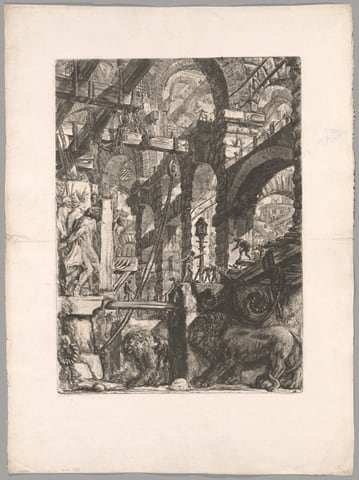
The Lion Bas-Reliefs, plate 5 from Imaginary PrisonsGiovanni Battista Piranesi, 1761Courtesy of the Art Institute of Chicago 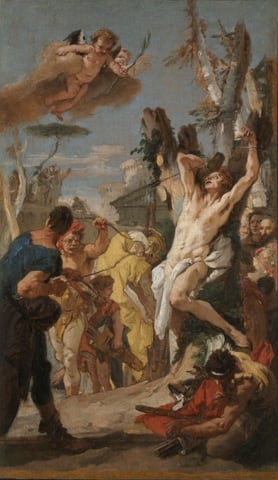
Study for "The Martyrdom of Saint Sebastian" (for the Augustinian monastery at Diessen, Germany)Giovanni Battista Tiepolo, 1739Courtesy of the Cleveland Museum of Art 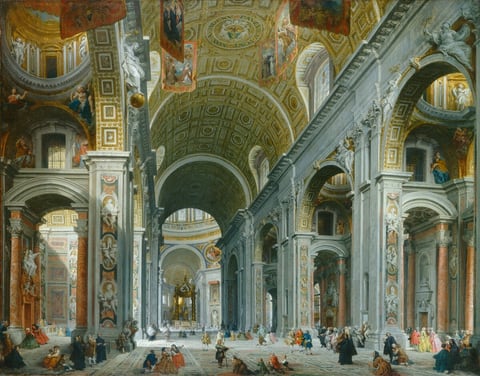
Interior of Saint Peter's, RomeGiovanni Paolo Panini, c. 1754Courtesy National Gallery of Art, Washington
Third room, south wall
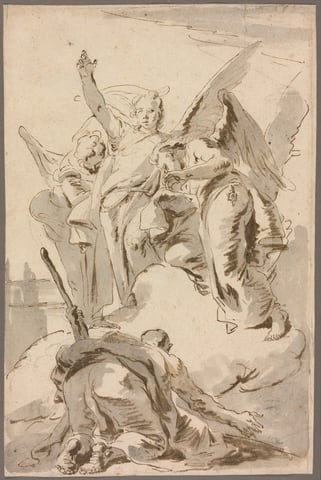
Three Angels Appearing to AbrahamGiovanni Battista Tiepolo, c. 1726Courtesy of the Art Institute of Chicago 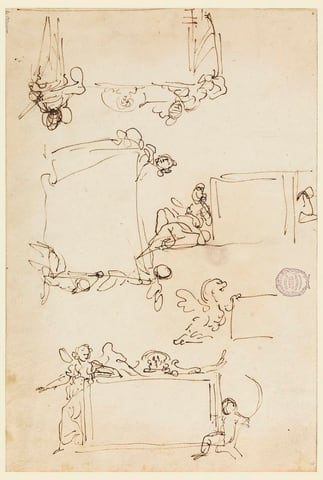
Sketches for a tabletCarlo Marchionni, ca. 1750Courtesy of Cooper Hewitt, Smithsonian Design Museum 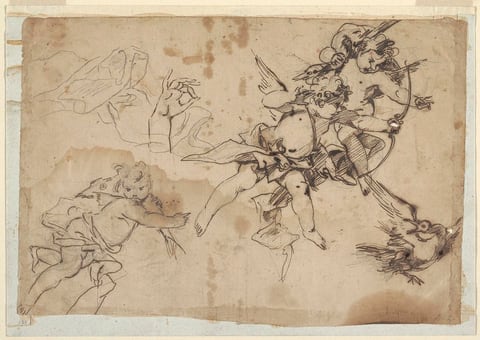
Study for a Painting on Theme of CallistoFilippo Falciatore, ca. 1750Courtesy of Cooper Hewitt, Smithsonian Design Museum 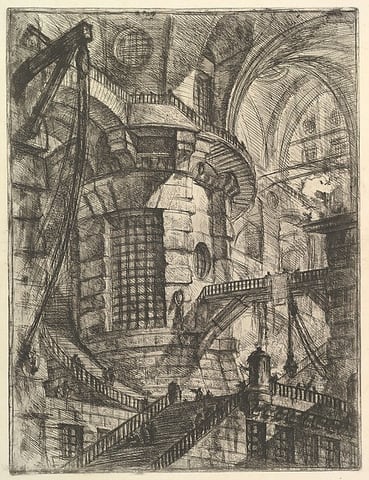
The Round Tower, from "Carceri d'invenzione" (Imaginary Prisons)Giovanni Battista Piranesi, ca. 1749–50Courtesy of The Metropolitan Museum of Art