Floor plan

Style galleriesThe Northern Renaissance
The Northern Renaissance
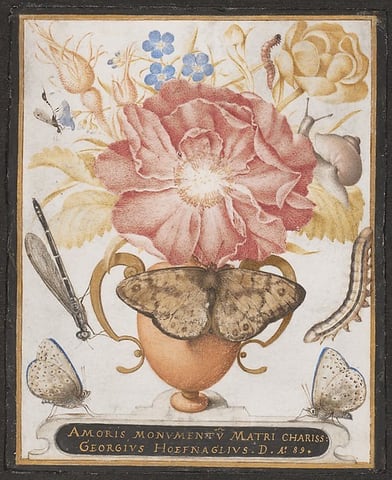
Still Life with Flowers, a Snail and Insects, by Joris Hoefnagel, 1589
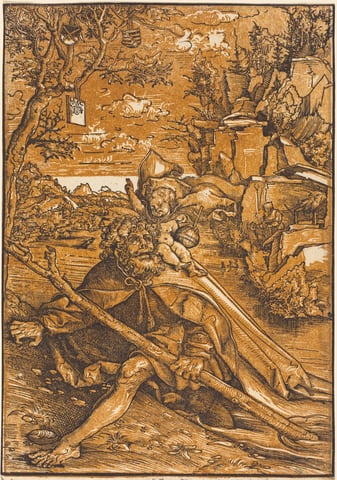
This is a drawing of a wilderness setting by a river. The scene features rocky cliffs, lush vegetation, a large bearded figure holding a staff, and a small cherubic figure beside them. In the background, there is a village against a mountainous backdrop. The drawing has rich texture and intricate details, with a contrast of dark lines and lighter hues.
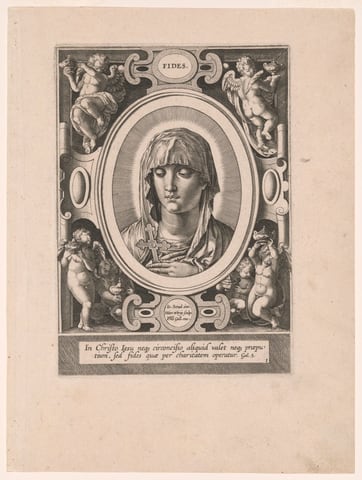
A work made of engraving on ivory laid paper.
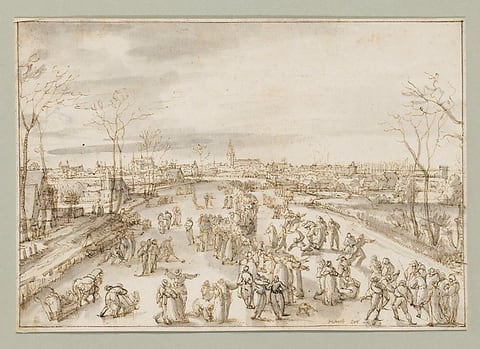
Ice skaters on the Amstel in Amsterdam, by Hans Bol, 1589
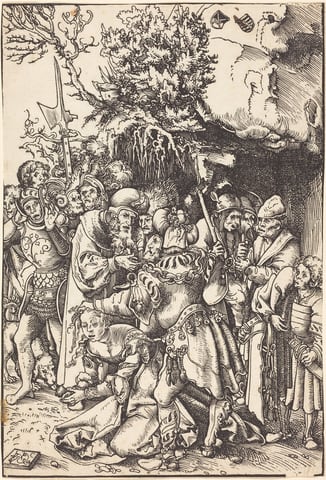
This is a drawing of a group of medieval figures and a tree. The image depicts a dense gathering of figures, all wearing elaborate period costumes, including helmets, robes, and armor. Their expressions vary. At the top, a leafy tree dominates the background alongside swirling clouds. The foreground hints at an interaction among the individuals, possibly a scene of discourse or judgment. Several personal items and tools are on the ground. The attention to detail and the use of line to create intricate patterns and textures are notable features of this work. This is in the style of Albrecht Dürer.
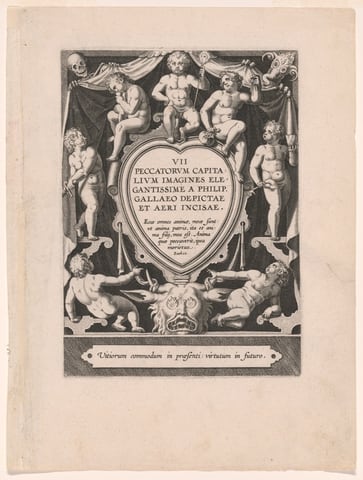
A work made of engraving on paper.

The works in this room are listed below.

Works in this room

Dürer's prints, Holbein's portraits and the art of northern Europe in the 1500s.

Section 1, north wall

  1. Still Life with Flowers, a Snail and Insects, by Joris Hoefnagel, 1589
    Still Life with Flowers, a Snail and InsectsJoris Hoefnagel, 1589Courtesy of The Metropolitan Museum of Art
  2. This is a drawing of a wilderness setting by a river. The scene features rocky cliffs, lush vegetation, a large bearded figure holding a staff, and a small cherubic figure beside them. In the background, there is a village against a mountainous backdrop. The drawing has rich texture and intricate details, with a contrast of dark lines and lighter hues.
    Saint ChristopherLucas Cranach the Elder, 1506Courtesy National Gallery of Art, Washington
  3. A work made of engraving on ivory laid paper.
    Fides, plate 1 from The Seven VirtuesHieronymous Wierix, c. 1598Courtesy of the Art Institute of Chicago

Section 1, south wall

  1. Ice skaters on the Amstel in Amsterdam, by Hans Bol, 1589
    Ice skaters on the Amstel in AmsterdamHans Bol, 1589Courtesy of The Metropolitan Museum of Art
  2. This is a drawing of a group of medieval figures and a tree. The image depicts a dense gathering of figures, all wearing elaborate period costumes, including helmets, robes, and armor. Their expressions vary. At the top, a leafy tree dominates the background alongside swirling clouds. The foreground hints at an interaction among the individuals, possibly a scene of discourse or judgment. Several personal items and tools are on the ground. The attention to detail and the use of line to create intricate patterns and textures are notable features of this work. This is in the style of Albrecht Dürer.
    The Martyrdom of Saint BarbaraLucas Cranach the ElderCourtesy National Gallery of Art, Washington
  3. A work made of engraving on paper.
    Title page, from The Seven VicesHieronymous Wierix, c. 1598Courtesy of the Art Institute of Chicago

Section 2, south wall
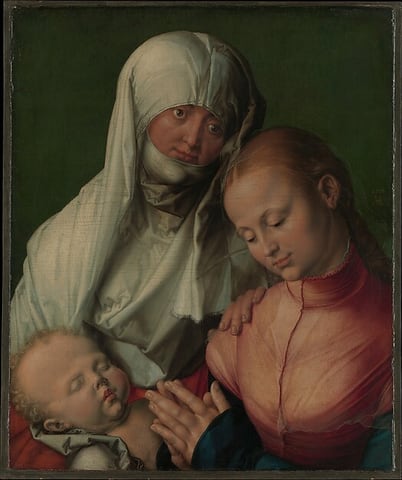
  1. Virgin and Child with Saint Anne, by Albrecht Dürer, probably 1519
    Virgin and Child with Saint AnneAlbrecht Dürer, probably 1519Courtesy of The Metropolitan Museum of Art
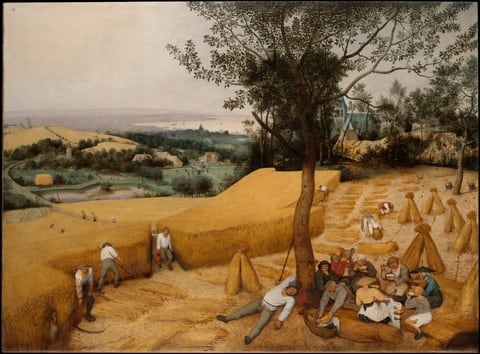
  2. The Harvesters, by Pieter Bruegel, 1565
    The HarvestersPieter Bruegel, 1565Courtesy of The Metropolitan Museum of Art

Section 2, north wall
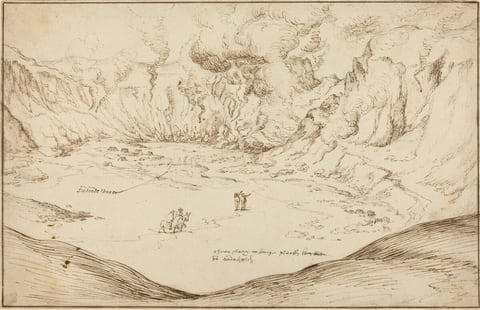
  1. The image shows an elevated view looking down into a crater-like landscape with steep surrounding cliffs. The horizon is high in the image, obscured by rocky formations and rising plumes of smoke. The detailed drawing has a sketch-like quality with fine lines depicting the cliffs and swirling smoke. The color palette is monochromatic, using shades of brown and beige. Two figures and a horse stand on a sloped terrain, providing scale. The crater's basin is visible, with smoke plumes and rock formations in the distance, stretching towards the horizon.
    Forum Vulcani: The Hot Springs at PozzuoliJoris Hoefnagel, 1578Courtesy National Gallery of Art, Washington
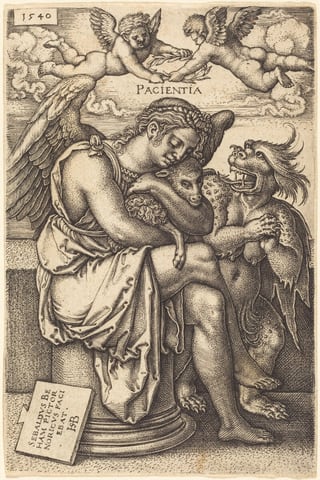
  2. This is a drawing of a winged figure with a sheep, accompanied by a mythical creature and cherubs. The central figure is holding the sheep tenderly. On the left, two cherubs are flying with a laurel branch, under the word "PACIENTIA." On the right is a mythical creature with dragon-like features. Below the scene, a plaque with an inscription is placed against the pedestal. The artwork is detailed with lines, cross-hatching, and shading, accentuating textures and forms.
    Pacientia (Patience)Sebald Beham, 1540Courtesy National Gallery of Art, Washington
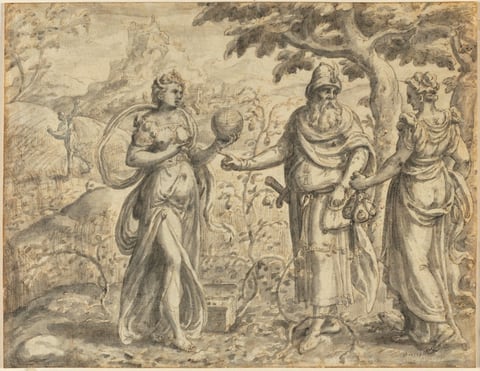
  3. The Seed Received among the Thorns, from the Parable of the Sower, by Gerard P. van Groningen, c. 1573
    The Seed Received among the Thorns, from the Parable of the SowerGerard P. van Groningen, c. 1573Courtesy of the Cleveland Museum of Art

Section 3, north wall
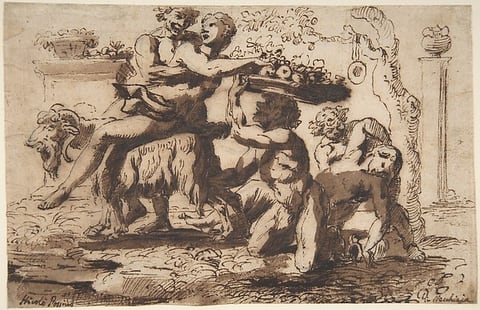
  1. Bacchanal, by Nicolas Poussin, ca. 1635–36
    BacchanalNicolas Poussin, ca. 1635–36Courtesy of The Metropolitan Museum of Art
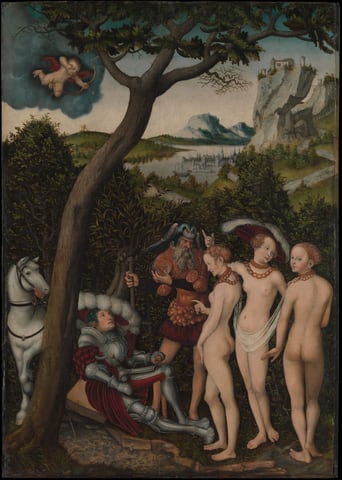
  2. The Judgment of Paris, by Lucas Cranach the Elder, ca. 1528
    The Judgment of ParisLucas Cranach the Elder, ca. 1528Courtesy of The Metropolitan Museum of Art

Section 3, south wall
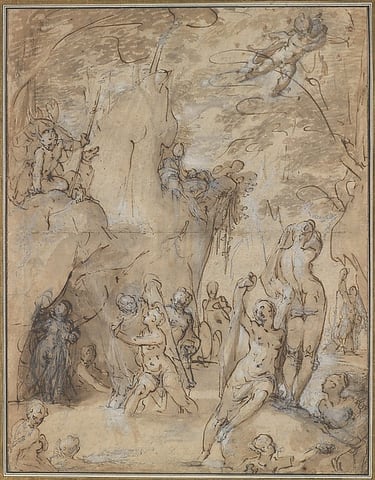
  1. Diana and Actaeon, by Bartholomeus Spranger, ca. 1580–85
    Diana and ActaeonBartholomeus Spranger, ca. 1580–85Courtesy of The Metropolitan Museum of Art
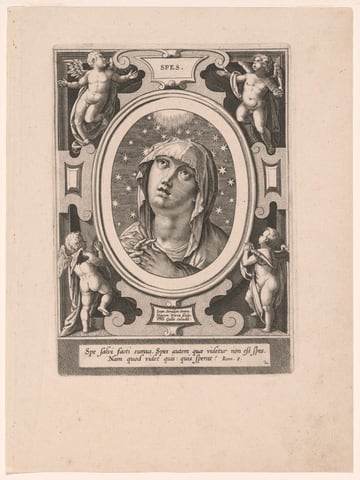
  2. A work made of engraving on paper.
    Spes, plate 2 from The Seven VirtuesHieronymous Wierix, c. 1598Courtesy of the Art Institute of Chicago
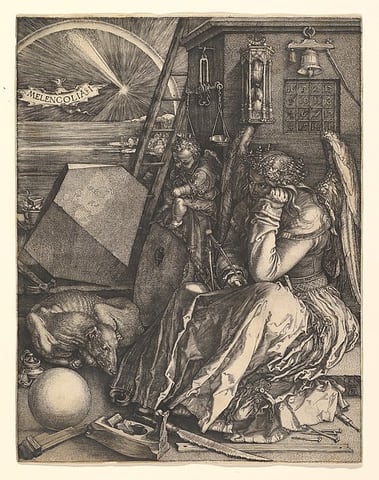
  3. Melencolia I, by Albrecht Dürer, 1514
    Melencolia IAlbrecht Dürer, 1514Courtesy of The Metropolitan Museum of Art