18th-century Italy
Works in this room
Works made in Italy in the 18th century.
First room, north wall
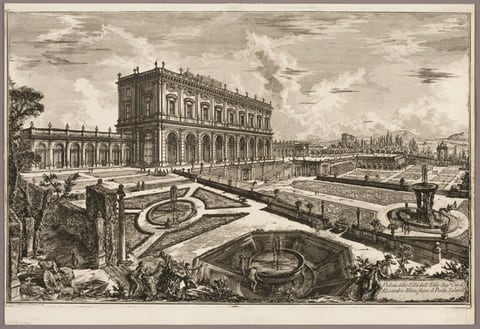
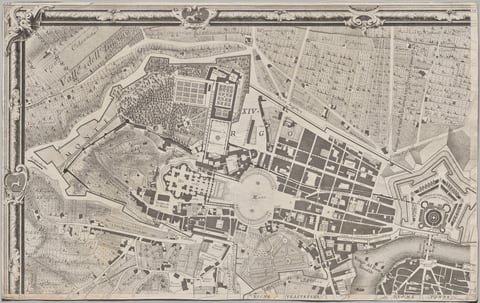
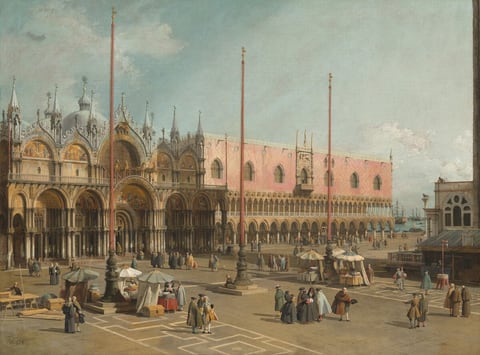
View of the Villa of His Eminence Cardinal Alessandro Albani, outside Porta Salaria, from Views of RomeGiovanni Battista Piranesi, 1769, published 1800–07Courtesy of the Art Institute of Chicago Nuova pianta di Roma data in luce da Giambattista Nolli l’anno MDCCXLVII, known as La Pianta Grande di RomaGiovanni Battista Nolli, 1748Courtesy of the Cleveland Museum of Art The Square of Saint Mark's, VeniceCanaletto, 1742/1744Courtesy National Gallery of Art, Washington
First room, south wall
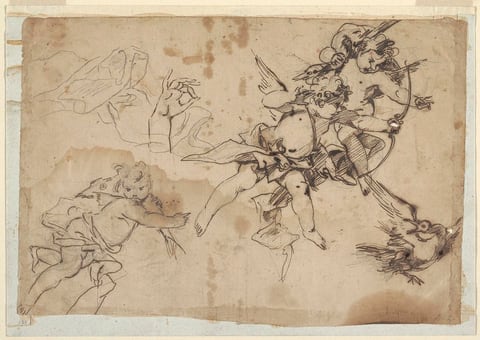
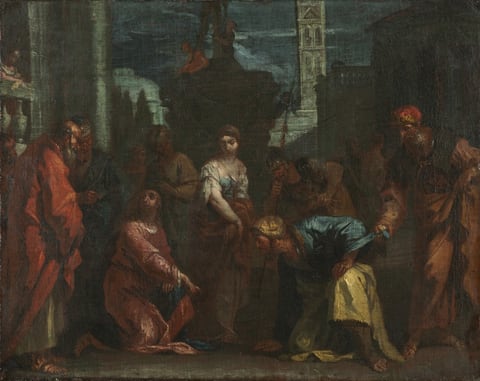
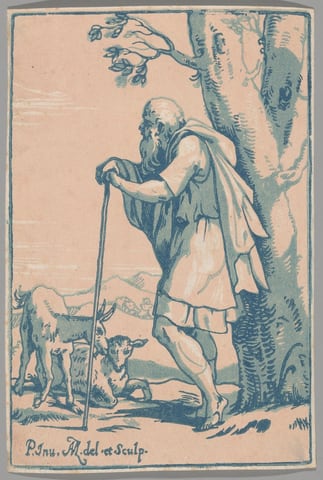
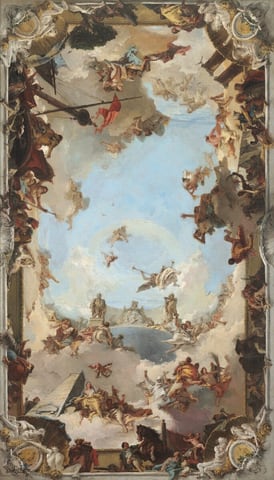
Study for a Painting on Theme of CallistoFilippo Falciatore, ca. 1750Courtesy of Cooper Hewitt, Smithsonian Design Museum Christ and the Woman Taken in AdulterySebastiano Ricci, mid-1700sCourtesy of the Cleveland Museum of Art The Old ShepherdConte Antonio Maria Zanetti, the Elder, 1722Courtesy of the Art Institute of Chicago Wealth and Benefits of the Spanish Monarchy under Charles IIIGiovanni Battista Tiepolo, 1762Courtesy National Gallery of Art, Washington
Second room, south wall
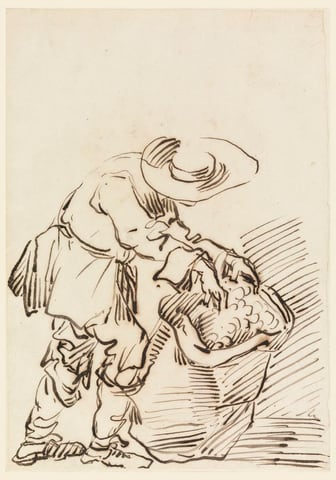
Working PeasantCarlo Marchionni, 1728–78Courtesy of Cooper Hewitt, Smithsonian Design Museum 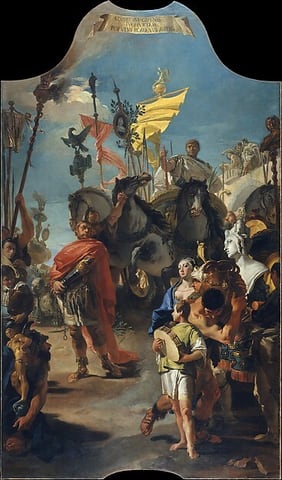
The Triumph of MariusGiovanni Battista Tiepolo, 1729Courtesy of The Metropolitan Museum of Art 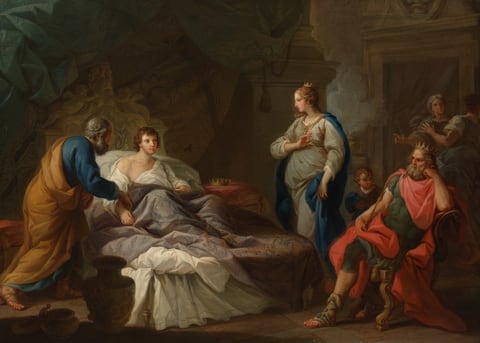
Antiochus Yearning for StratoniceStefano Pozzi, c. 1740Courtesy of the Art Institute of Chicago
Second room, north wall
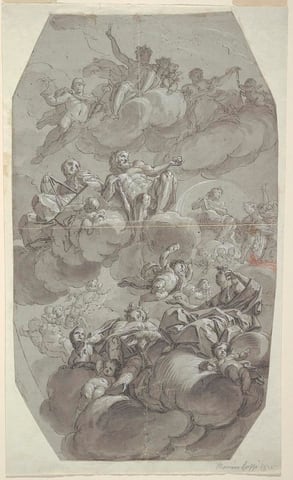
Study for Painting, Mount OlympusVito D'Anna, 1750–60Courtesy of Cooper Hewitt, Smithsonian Design Museum 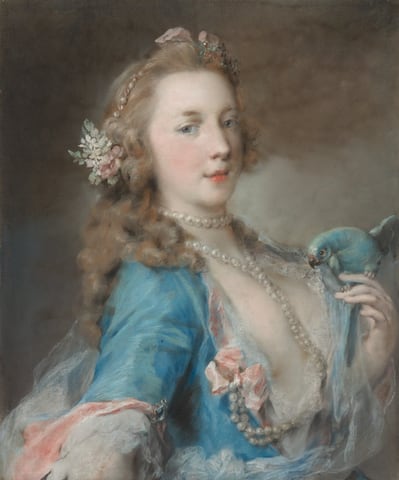
A Young Lady with a ParrotRosalba Carriera, c. 1730Courtesy of the Art Institute of Chicago 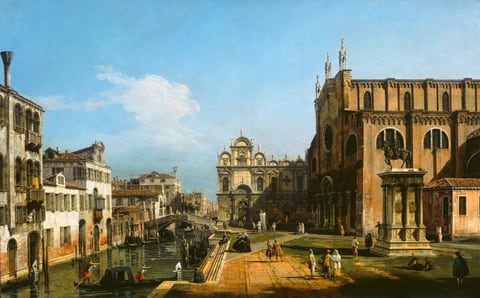
The Campo di SS. Giovanni e Paolo, VeniceBernardo Bellotto, 1743/1747Courtesy National Gallery of Art, Washington
Third room, north wall
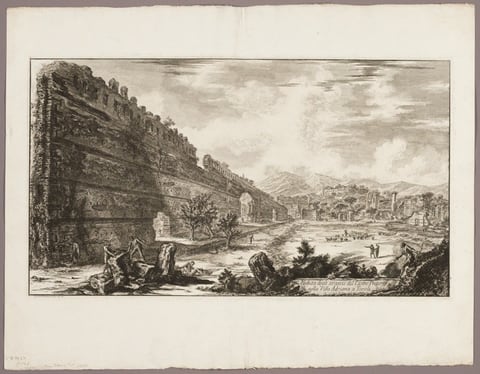
View of the Remains of the Praetorian Fort [the Poecile], Hadrian's Villa, Tivoli, from Views of RomeGiovanni Battista Piranesi, 1770Courtesy of the Art Institute of Chicago 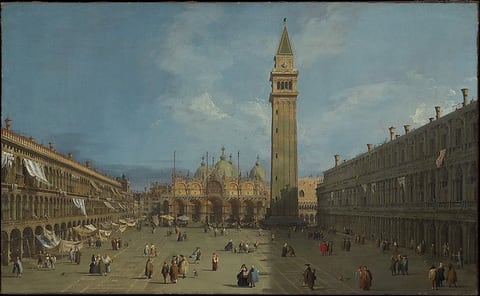
Piazza San MarcoCanaletto, late 1720sCourtesy of The Metropolitan Museum of Art 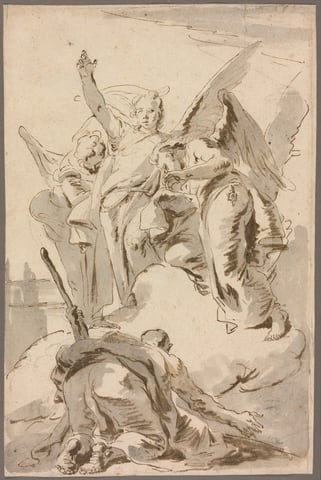
Three Angels Appearing to AbrahamGiovanni Battista Tiepolo, c. 1726Courtesy of the Art Institute of Chicago