Floor plan

East wing: The Nineteenth CenturyRomanticism and Realism

Romanticism and Realism
Untitled (Cracked Watermelon), by Charles Ethan Porter, ca. 1890
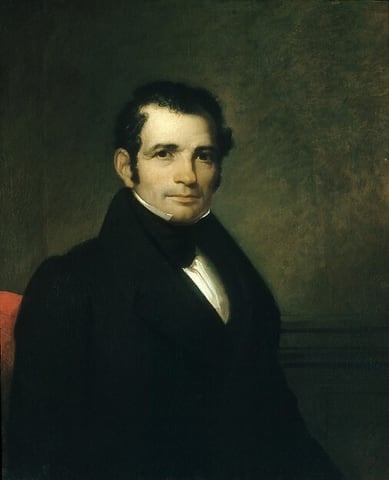
Luman Reed, by Asher Brown Durand, 1835
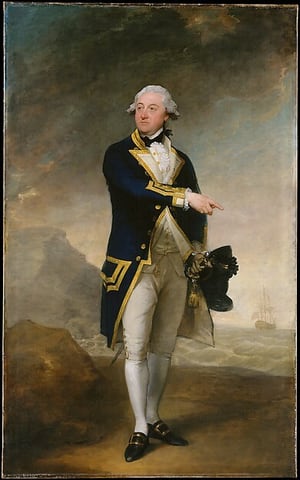
Captain John Gell, by Gilbert Stuart, 1785
A work made of oil on canvas.
Oil painting
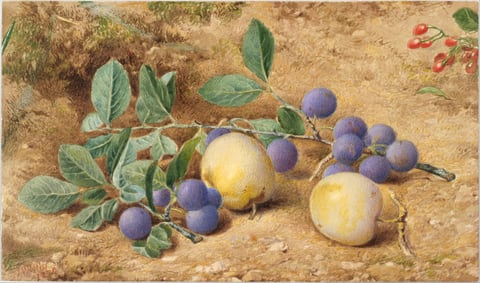
Plums, by John William Hill, 1870
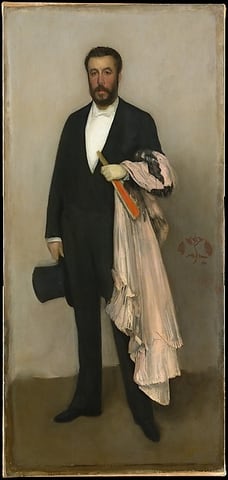
Arrangement in Flesh Colour and Black: Portrait of Theodore Duret, by James McNeill Whistler, 1883

The works in this room are listed below.

Works in this room

Storms, ruins and feeling from about 1780, then ordinary people and working lives painted as they were, from the 1840s on.

Section 1, north wall

  1. Untitled (Cracked Watermelon), by Charles Ethan Porter, ca. 1890
    Untitled (Cracked Watermelon)Charles Ethan Porter, ca. 1890Courtesy of The Metropolitan Museum of Art
  2. Luman Reed, by Asher Brown Durand, 1835
    Luman ReedAsher Brown Durand, 1835Courtesy of The Metropolitan Museum of Art
  3. Captain John Gell, by Gilbert Stuart, 1785
    Captain John GellGilbert Stuart, 1785Courtesy of The Metropolitan Museum of Art

Section 1, south wall

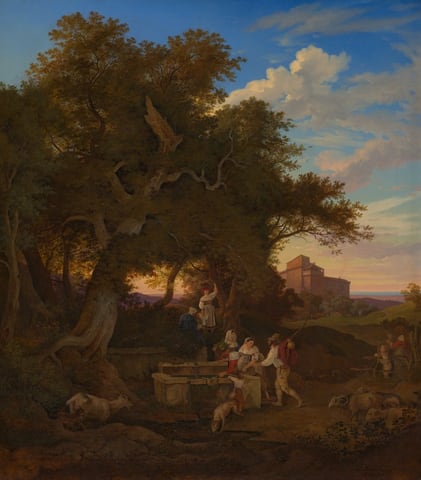
  1. A work made of oil on canvas.
    The Fountain at GrottaferrataAdrian Ludwig (Ludwig) Richter, 1832Courtesy of the Art Institute of Chicago
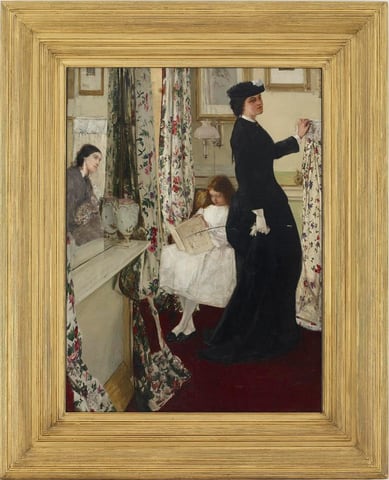
  2. Oil painting
    Harmony in Green and Rose: The Music RoomJames McNeill Whistler, 1860-1861Courtesy of the National Museum of Asian Art, Smithsonian Institution
  3. Plums, by John William Hill, 1870
    PlumsJohn William Hill, 1870Courtesy of The Metropolitan Museum of Art
  4. Arrangement in Flesh Colour and Black: Portrait of Theodore Duret, by James McNeill Whistler, 1883
    Arrangement in Flesh Colour and Black: Portrait of Theodore DuretJames McNeill Whistler, 1883Courtesy of The Metropolitan Museum of Art

Section 2, south wall
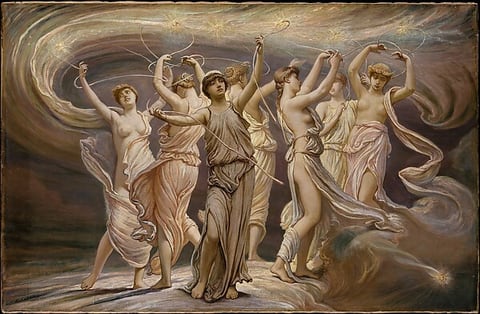
  1. The Pleiades, by Elihu Vedder, 1885
    The PleiadesElihu Vedder, 1885Courtesy of The Metropolitan Museum of Art
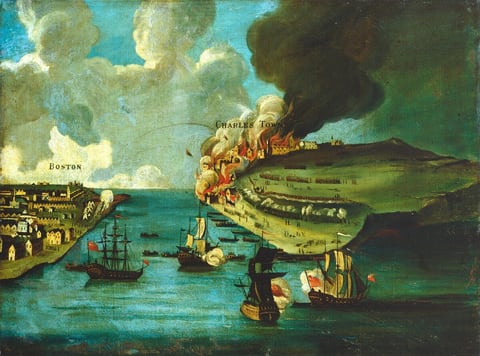
  2. We look across and down at a channel of water separating two landmasses labeled "Boston" and "Charles Town" in this horizontal landscape painting. Four three-masted ships are in the aquamarine-blue harbor between us and the land. Three of them have their sails unfurled and smoke billows from the broad, starboard side of each. Tidy rows of brown houses line the area of Boston. A puff of white smoke rises from the farthest point. Two arrow-shaped missiles, perhaps projectiles on fire, arc toward Charles Town, where billowing gray plumes of smoke rise from vivid orange fire on the far side of the landmass. Rowboats bring soldiers to the shore of Charles Town, close to where hundreds of soldiers line up and fire at each other. Much of the rest of Charles Town is a hill leading to sheer cliffs to our right. Tan and gray-colored smoke mixes among bright white clouds against a pale blue sky on the top half of the painting.
    Attack on Bunker's Hill, with the Burning of Charles TownUnrecorded American maker, 1783 or afterCourtesy National Gallery of Art, Washington
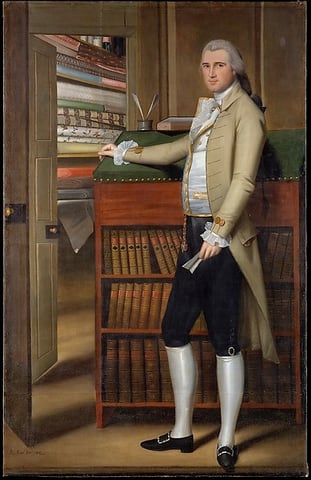
  3. Elijah Boardman, by Ralph Earl, 1789
    Elijah BoardmanRalph Earl, 1789Courtesy of The Metropolitan Museum of Art

Section 2, north wall
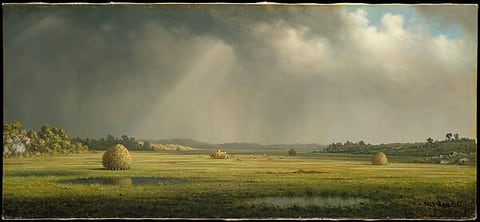
  1. Newburyport Meadows, by Martin Johnson Heade, ca. 1876–81
    Newburyport MeadowsMartin Johnson Heade, ca. 1876–81Courtesy of The Metropolitan Museum of Art
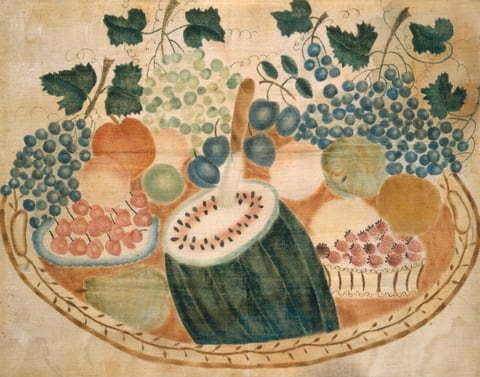
  2. The image shows a large cut watermelon in a woven basket surrounded by various fruits including grapes, peaches, and small round red fruits. The color palette includes greens, blues, oranges, and browns. The basket takes up most of the space and is filled with fruits, with grape clusters hanging above it.
    Fruit on a TrayUnrecorded American maker, c. 1840Courtesy National Gallery of Art, Washington
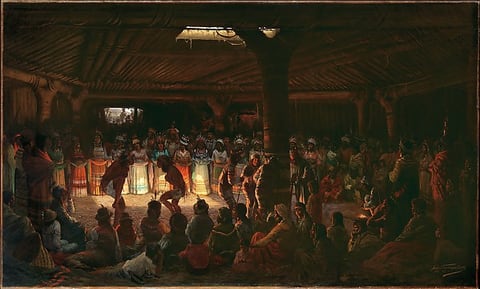
  3. Dance in a Subterranean Roundhouse at Clear Lake, California, by Jules Tavernier, 1878
    Dance in a Subterranean Roundhouse at Clear Lake, CaliforniaJules Tavernier, 1878Courtesy of The Metropolitan Museum of Art

Section 3, north wall
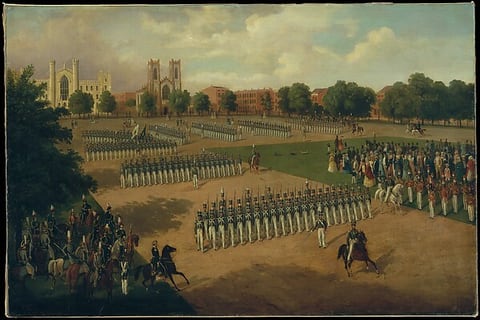
  1. Seventh Regiment on Review, Washington Square, New York, by Otto Boetticher, 1851
    Seventh Regiment on Review, Washington Square, New YorkOtto Boetticher, 1851Courtesy of The Metropolitan Museum of Art
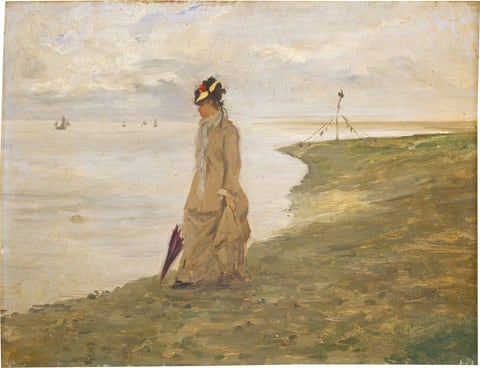
  2. This painting shows a woman in a tan dress and a tan hat with red flowers, walking on a grassy shoreline, holding a dark purple umbrella. The woman is positioned in the center of the painting, and she faces the left, standing at the edge of the water, looking downward. She has light skin and dark hair put up under her hat. The horizon is high in the painting, where the blue-gray sky and water meet. Small ships are visible in the distance, floating on the horizon. On the right side of the painting, the yellow and green ground curves, sloping slightly downward to meet the water. The painting has loose, visible brushstrokes.
    Woman by the SeasideUnrecorded French maker, 19th centuryCourtesy National Gallery of Art, Washington
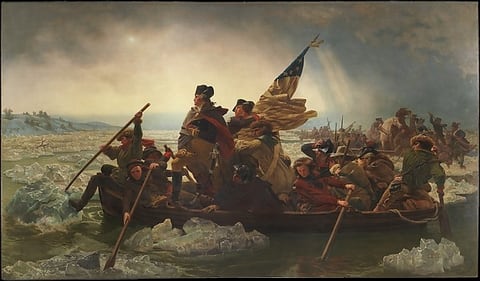
  3. Washington Crossing the Delaware, by Emanuel Leutze, 1851
    Washington Crossing the DelawareEmanuel Leutze, 1851Courtesy of The Metropolitan Museum of Art