Floor plan

Time and placeThe 20th century

The 20th century

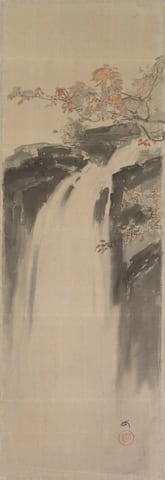
Waterfall, by Yoshida Hiroshi, 1924
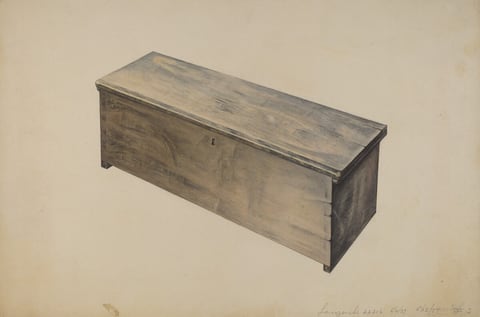
The image shows a large wooden chest with a rectangular design and a keyhole on its front panel. The chest has a weathered look in muted browns and grays. It is positioned in the center with its top, front, and side panels visible. The background is plain and light in color.
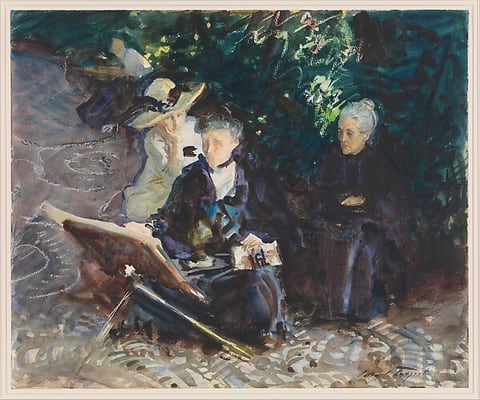
In the Generalife, by John Singer Sargent, 1912
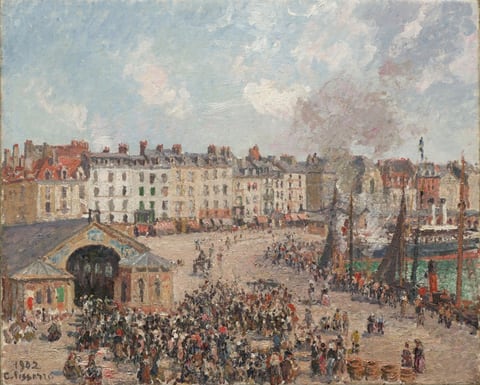
Fishmarket, by Camille Pissarro, 1902
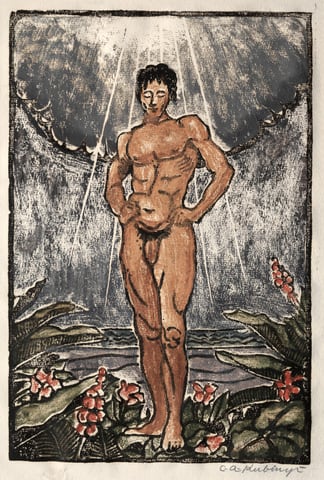
The Creation, by Kálmán Kubinyi, before 1927
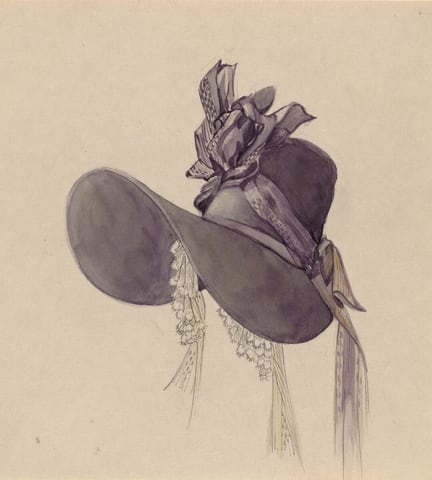
The image shows a large hat with a broad brim, decorated with a ribbon and floral or lace-like embellishments. The color palette consists of shades of gray and soft purples. The hat is centered in the frame, with its brim curving to the left and the decorative elements extending to the sides.
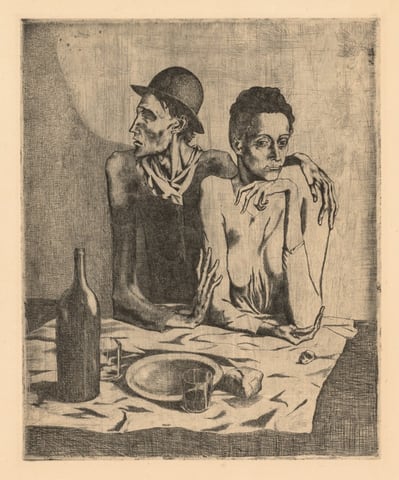
The Frugal Meal, by Pablo Picasso, September 1904, printed 1913
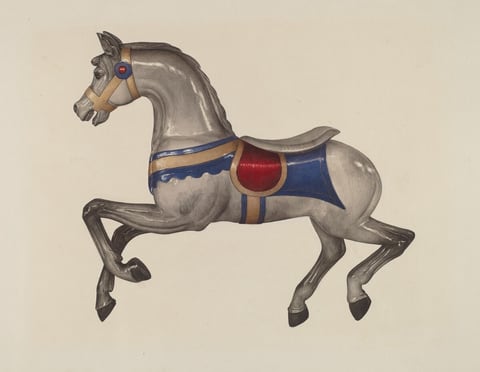
This is a painting of a carousel horse. The image shows a gray carousel horse with glossy highlights and shading. The horse has a blue and red saddle with gold bands, and a blue harness with red accents. The horse is mid-gallop, with animated legs. The background is plain to focus on the horse's design. The style is detailed and realistic, reminiscent of carousel art from the late 19th to early 20th century.

The works in this room are listed below.

Works in this room

Works made in the 20th century, anywhere in the world.

Section 1, north wall

  1. Waterfall, by Yoshida Hiroshi, 1924
    WaterfallYoshida Hiroshi, 1924Courtesy of the Cleveland Museum of Art
  2. The image shows a large wooden chest with a rectangular design and a keyhole on its front panel. The chest has a weathered look in muted browns and grays. It is positioned in the center with its top, front, and side panels visible. The background is plain and light in color.
    Utility ChestHenry Tomaszewski, 1937Courtesy National Gallery of Art, Washington
  3. In the Generalife, by John Singer Sargent, 1912
    In the GeneralifeJohn Singer Sargent, 1912Courtesy of The Metropolitan Museum of Art
  4. Fishmarket, by Camille Pissarro, 1902
    FishmarketCamille Pissarro, 1902Courtesy of the Cleveland Museum of Art

Section 1, south wall

  1. The Creation, by Kálmán Kubinyi, before 1927
    The CreationKálmán Kubinyi, before 1927Courtesy of the Cleveland Museum of Art
  2. The image shows a large hat with a broad brim, decorated with a ribbon and floral or lace-like embellishments. The color palette consists of shades of gray and soft purples. The hat is centered in the frame, with its brim curving to the left and the decorative elements extending to the sides.
    BonnetRosalia Lane, 1935/1942Courtesy National Gallery of Art, Washington
  3. The Frugal Meal, by Pablo Picasso, September 1904, printed 1913
    The Frugal MealPablo Picasso, September 1904, printed 1913Courtesy of the Cleveland Museum of Art
  4. This is a painting of a carousel horse. The image shows a gray carousel horse with glossy highlights and shading. The horse has a blue and red saddle with gold bands, and a blue harness with red accents. The horse is mid-gallop, with animated legs. The background is plain to focus on the horse's design. The style is detailed and realistic, reminiscent of carousel art from the late 19th to early 20th century.
    Carousel HorseDorothy Handy, c. 1939Courtesy National Gallery of Art, Washington

Section 2, south wall
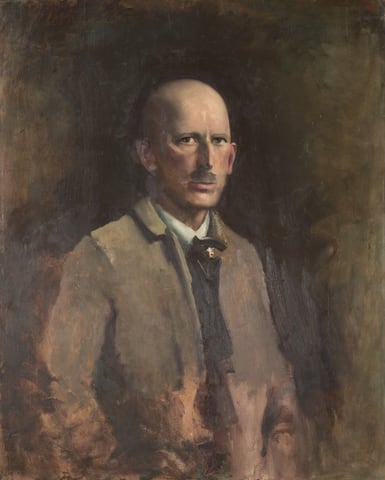
  1. Self-Portrait, by Abbott Handerson Thayer, 1920
    Self-PortraitAbbott Handerson Thayer, 1920Courtesy of the Cleveland Museum of Art
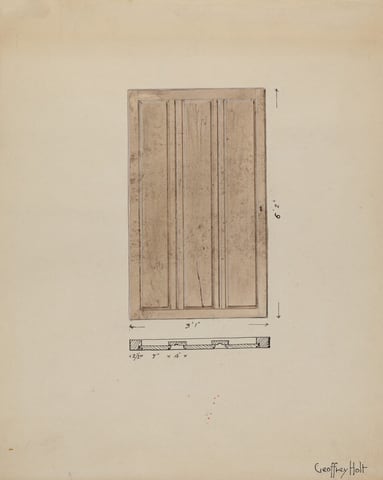
  2. This is a drawing of a wooden door panel. It features a detailed rendering of a rectangular wooden door panel with vertical lines. Below the door panel, there is an elevation view showing the construction detail of the door in cross-section, with measurements indicating dimensions and proportions. The color palette is in shades of brown and beige. A signature in the lower right corner attributes the drawing to an artist named Geoffrey Holt.
    One of Original Inside Doors to SacristyGeoffrey Holt, c. 1936Courtesy National Gallery of Art, Washington
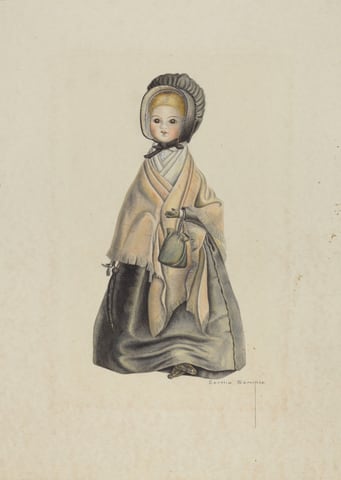
  3. The image displays a full-body illustration of a person standing upright. They have a delicate and round face with rosy cheeks and small, pink lips. Their eyes are large and expressive, and they have light-colored hair peeking out from under a bonnet. The person's attire consists of a long, dark skirt and a light-colored shawl draped over their shoulders. They wear a hooded cloak tied with a bow at the neck, and hold a small bag in their left hand. The background is plain with a light-colored texture. The artwork is a painted illustration with visible fine lines and shading to enhance details of the clothing and facial features.
    Quaker DollBertha Semple, 1935/1942Courtesy National Gallery of Art, Washington
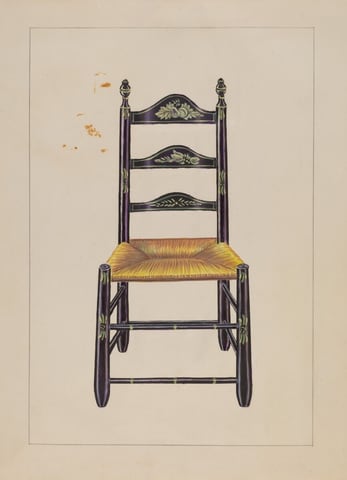
  4. The image shows a wooden chair with a rush seat. It features ornate details on the backrest. The color palette includes dark wood tones, pale greenish detailing, and a warm yellowish hue for the seat. The chair is centrally positioned in the image, viewed from the front, with no other objects around it.
    Ladderback ChairGerald Bernhardt, c. 1936Courtesy National Gallery of Art, Washington

Section 2, north wall
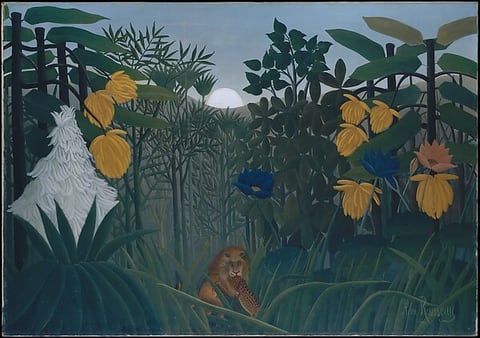
  1. The Repast of the Lion, by Henri Rousseau, ca. 1907
    The Repast of the LionHenri Rousseau, ca. 1907Courtesy of The Metropolitan Museum of Art
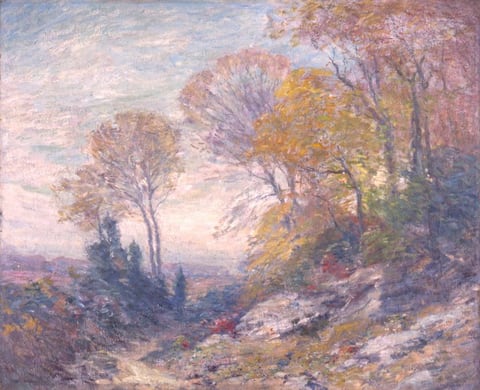
  2. October Morning, by Frank A. Bicknell, ca. 1910
    October MorningFrank A. Bicknell, ca. 1910Courtesy of the Smithsonian American Art Museum

Section 3, north wall
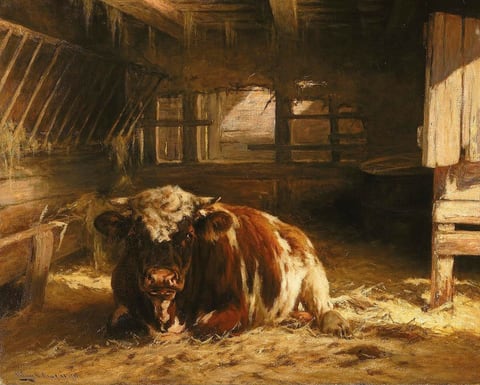
  1. My Day at Home, by William H. Howe, 1906
    My Day at HomeWilliam H. Howe, 1906Courtesy of the Smithsonian American Art Museum
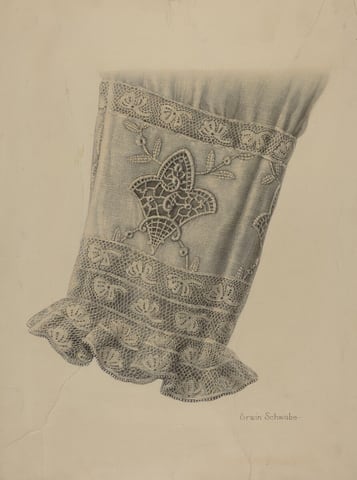
  2. The image shows a lace-trimmed sleeve with a floral lace design in the center, primarily in shades of gray and off-white. The sleeve is positioned vertically in the center of the image, with the top slightly obscured by shadow and the ruffled lace edge at the bottom. The lace details are intricate and precise, enhancing the texture and complexity of the design.
    Cuff LaceErwin Schwabe, c. 1937Courtesy National Gallery of Art, Washington