17th-century Italy
Works in this room
Works made in Italy in the 17th century.
First room, north wall
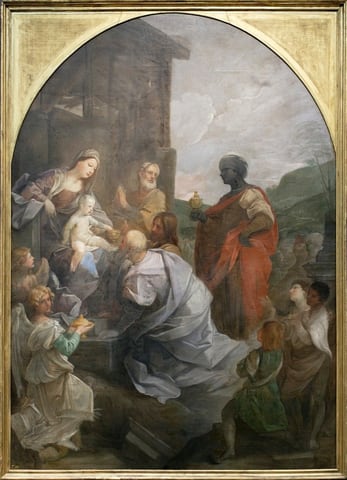
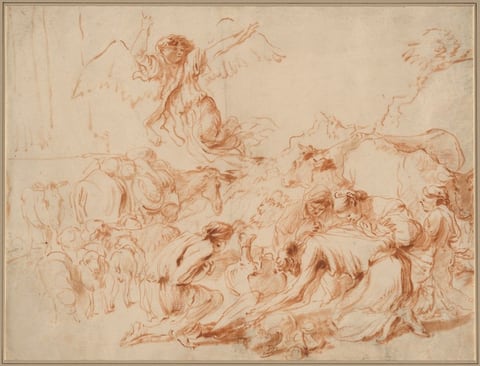
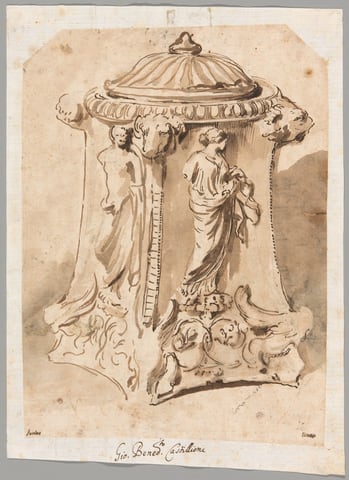
Adoration of the MagiGuido Reni, 1642Courtesy of the Cleveland Museum of Art The Angel Departing from the Family of Tobit (?)Giovanni Benedetto Castiglione, c. 1655Courtesy of the Art Institute of Chicago Antique Carved Marble Candelabra BaseAndrea di Lione, 1642/44 or 1647/51Courtesy of the Art Institute of Chicago
First room, south wall
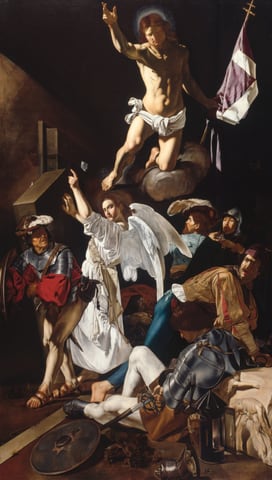
The ResurrectionCecco del Caravaggio, c. 1619-20Courtesy of the Art Institute of Chicago Lodovico WidmannTiberio Tinelli, probably 1637Courtesy National Gallery of Art, Washington
Second room, south wall
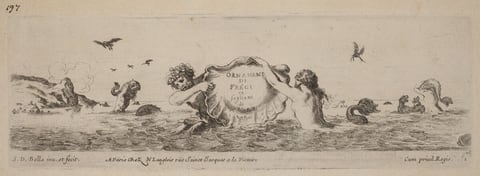
Title Page for "Ornamenti di fregi e fogliani"Stefano della Bella, probably 1648Courtesy National Gallery of Art, Washington 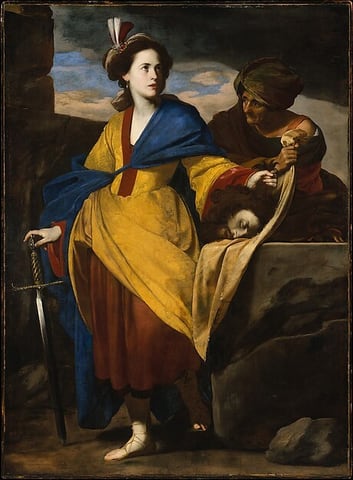
Judith with the Head of HolofernesMassimo Stanzione, ca. 1640Courtesy of The Metropolitan Museum of Art
Second room, north wall
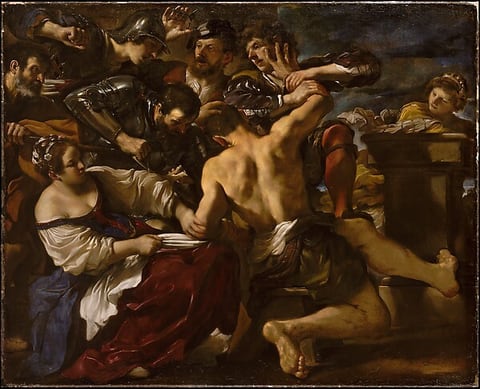
Samson Captured by the PhilistinesGuercino (Giovanni Francesco Barbieri), 1619Courtesy of The Metropolitan Museum of Art 
Portrait of a GirlFrancesco Solimena, c. 1700Courtesy of the Art Institute of Chicago 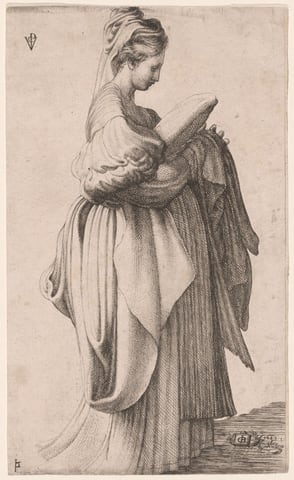
A Young Woman Holding a CushionMonogrammist VCP, 1643Courtesy of the Art Institute of Chicago
Third room, north wall
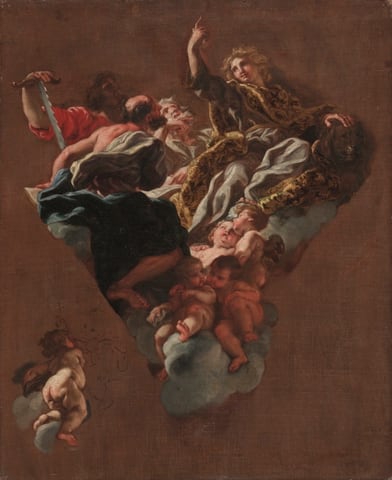
Sketch for "The Four Prophets of Israel" (for Il Gesù, Rome)Giovanni Battista Gaulli, c. 1675–1677Courtesy of the Cleveland Museum of Art 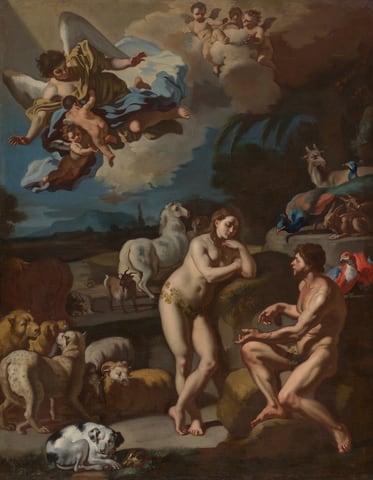
Adam and Eve in ParadiseFrancesco Solimena, c. 1700Courtesy of the Art Institute of Chicago 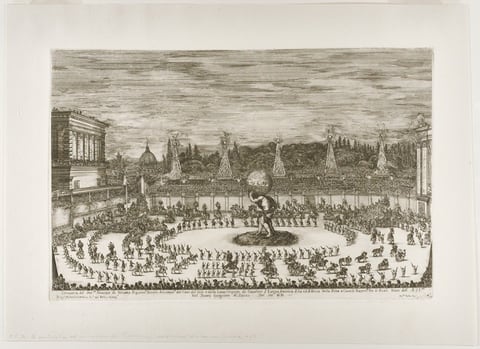
Equestrian Ballet in the Amphitheater of the Boboli GardensStefano della Bella, 1661Courtesy of the Art Institute of Chicago 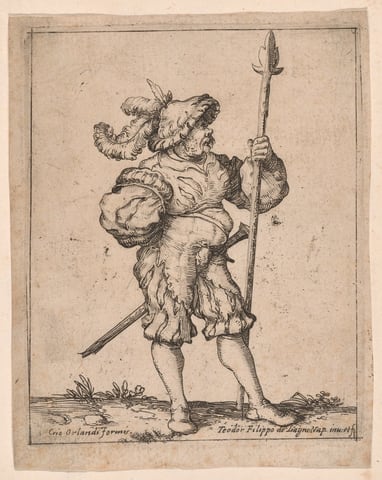
Soldier in Profile Holding a Pike, from Capricci e habiti militariFilippo Napoletano, 1610/29Courtesy of the Art Institute of Chicago
Third room, south wall
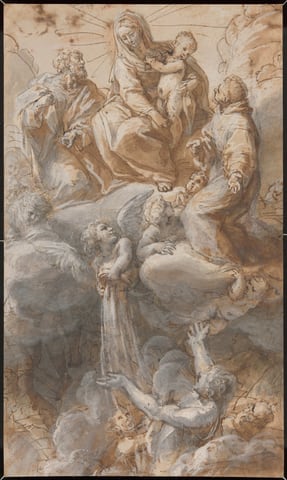
The Virgin and Saint Joseph with Saint Anthony of Padua Seated in the Heavens Interceding for the Souls in Purgatory, While an Angel Pours Fluid from a Vase onto the Crowd Below (recto and verso)Pietro Antonio di Pietri, 1690/1710Courtesy of the Art Institute of Chicago 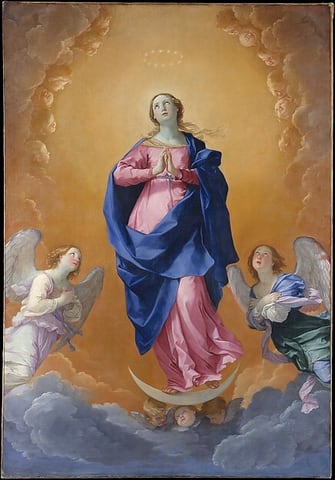
The Immaculate ConceptionGuido Reni, 1627Courtesy of The Metropolitan Museum of Art