Floor plan

Time and place17th-century Italy

17th-century Italy

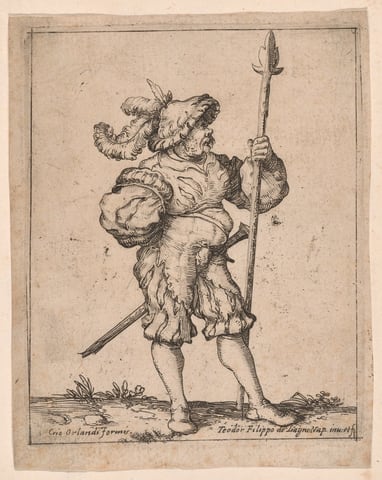
A work made of etching in black on cream laid paper.
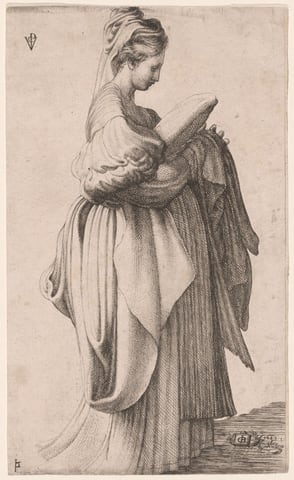
A work made of etching in black ink on cream laid paper.
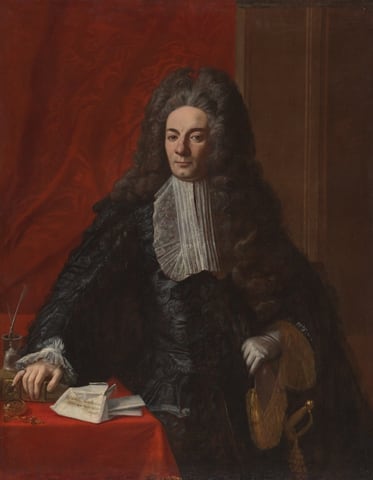
A work made of oil on canvas.
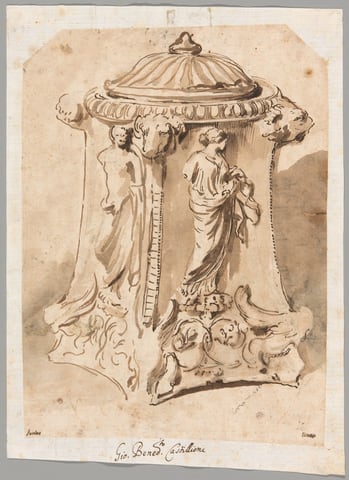
A work made of pen and brown ink and brush and brown wash, over graphite, on cream laid paper laid down on off-white laid paper.
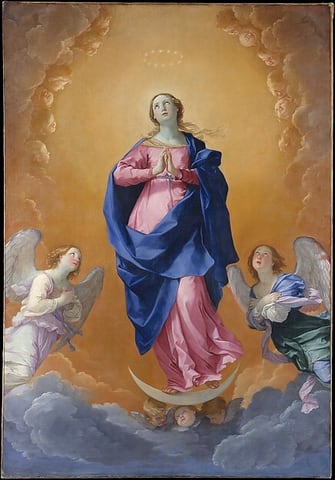
The Immaculate Conception, by Guido Reni, 1627
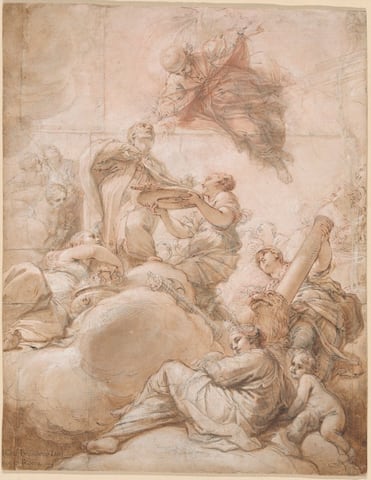
A work made of pen and brown ink and brush and brown wash, over black and red chalk, heightened with white opaque watercolor, on joined sheets of laid paper, mounted to paperboard.
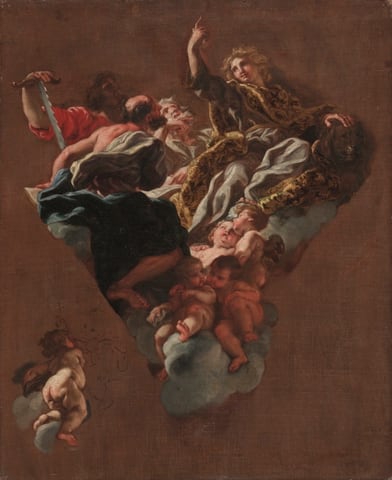
Sketch for "The Four Prophets of Israel" (for Il Gesù, Rome), by Giovanni Battista Gaulli, c. 1675–1677

The works in this room are listed below.

Works in this room

Works made in Italy in the 17th century.

First room, north wall

  1. A work made of etching in black on cream laid paper.
    Soldier in Profile Holding a Pike, from Capricci e habiti militariFilippo Napoletano, 1610/29Courtesy of the Art Institute of Chicago
  2. A work made of etching in black ink on cream laid paper.
    A Young Woman Holding a CushionMonogrammist VCP, 1643Courtesy of the Art Institute of Chicago
  3. A work made of oil on canvas.
    Jacopo ButeraFrancesco Solimena, c. 1695Courtesy of the Art Institute of Chicago
  4. A work made of pen and brown ink and brush and brown wash, over graphite, on cream laid paper laid down on off-white laid paper.
    Antique Carved Marble Candelabra BaseAndrea di Lione, 1642/44 or 1647/51Courtesy of the Art Institute of Chicago

First room, south wall

  1. The Immaculate Conception, by Guido Reni, 1627
    The Immaculate ConceptionGuido Reni, 1627Courtesy of The Metropolitan Museum of Art
  2. A work made of pen and brown ink and brush and brown wash, over black and red chalk, heightened with white opaque watercolor, on joined sheets of laid paper, mounted to paperboard.
    Allegory of the Elevation of Cardinal Deacon Oddone Colonna to the Papal Chair as Pope Martin VBenedetto Luti, 1700Courtesy of the Art Institute of Chicago
  3. Sketch for "The Four Prophets of Israel" (for Il Gesù, Rome), by Giovanni Battista Gaulli, c. 1675–1677
    Sketch for "The Four Prophets of Israel" (for Il Gesù, Rome)Giovanni Battista Gaulli, c. 1675–1677Courtesy of the Cleveland Museum of Art

Second room, south wall
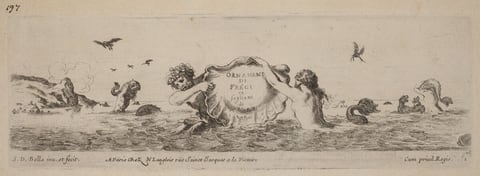
  1. This is a drawing of mythical sea creatures in a marine landscape. The central figures are depicted as mythical beings, possibly mermen, with human torsos and fish-like tails, partially submerged in water. One figure prominently holds a large seashell with text written on it. Around them are various other marine creatures and features such as a distant rocky shore, birds flying in the sky, and waves creating a dynamic setting. The drawing is detailed in line work.
    Title Page for "Ornamenti di fregi e fogliani"Stefano della Bella, probably 1648Courtesy National Gallery of Art, Washington
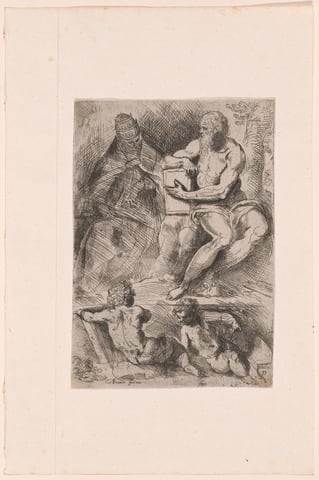
  2. A work made of etching in black on cream laid paper.
    Saint Jerome and a Pope with Two Putti (Saint Jerome and Pope Damasus)Jacopo Palma il Giovane, c. 1611Courtesy of the Art Institute of Chicago
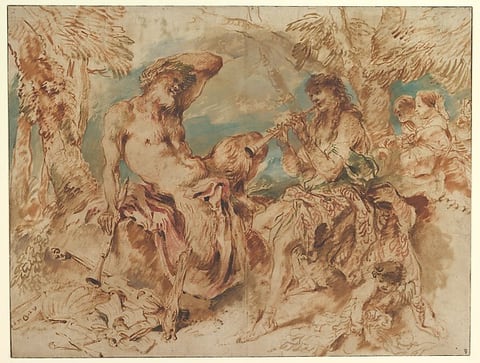
  3. Youth Playing a Pipe for a Satyr, by Giovanni Benedetto Castiglione, 1645–50
    Youth Playing a Pipe for a SatyrGiovanni Benedetto Castiglione, 1645–50Courtesy of The Metropolitan Museum of Art

Second room, north wall
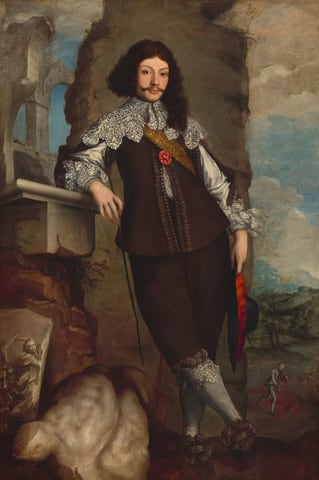
  1. Lodovico Widmann, by Tiberio Tinelli, probably 1637
    Lodovico WidmannTiberio Tinelli, probably 1637Courtesy National Gallery of Art, Washington
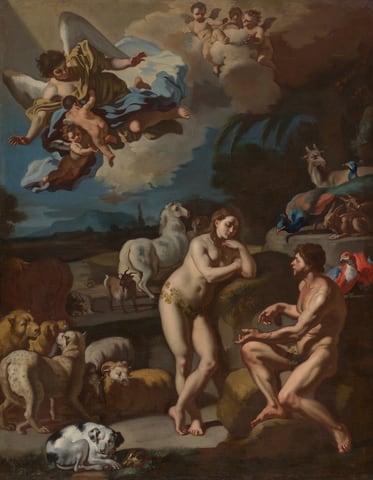
  2. A work made of oil on canvas.
    Adam and Eve in ParadiseFrancesco Solimena, c. 1700Courtesy of the Art Institute of Chicago
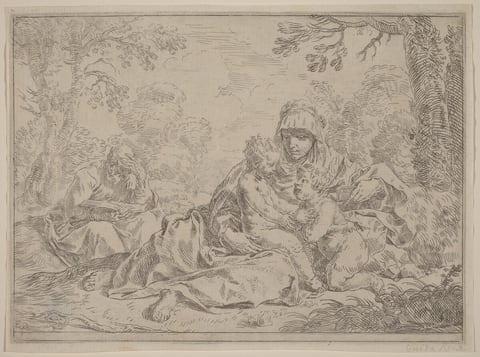
  3. The image shows an etching of four individuals, two adults, and two children. The main adult is sitting with a child on each knee. This person is wearing a hooded cloak with soft facial features. The children have curly hair and are reaching towards each other. The second adult is seated behind them, wearing a loose robe and appears to be holding something, possibly a book. The background features trees, bushes, foliage, and a calm sky.
    The Holy FamilySimone CantariniCourtesy National Gallery of Art, Washington

Third room, north wall
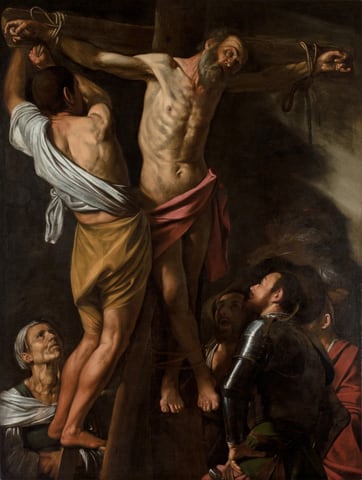
  1. The Crucifixion of Saint Andrew, by Caravaggio, 1606–7
    The Crucifixion of Saint AndrewCaravaggio, 1606–7Courtesy of the Cleveland Museum of Art
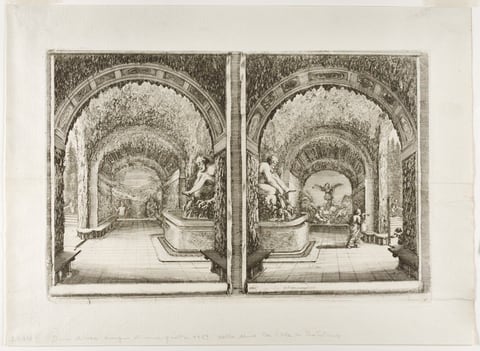
  2. A work made of etching on ivory laid paper.
    The Grotto of Pan and FameStefano della Bella, 1653/55Courtesy of the Art Institute of Chicago
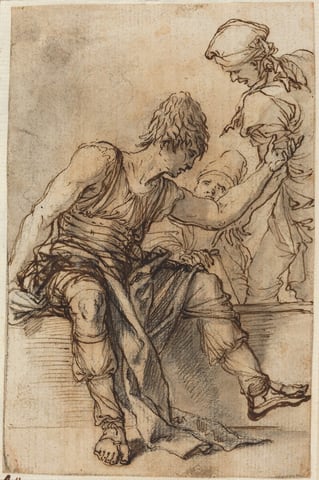
  3. The image shows a drawing of three figures. The central figure is seated, leaning slightly forward with one arm outstretched towards the standing figures. They have short, slightly messy hair, traditional clothing, and muscular limbs. The standing figures on the right are partially obscured but appear to interact with the seated figure. One of them is extending their arm towards the seated figure. The individuals wear layered clothing, with one wearing a head covering. The background is simple, emphasizing the interaction between the figures. The drawing style is classical or historical, using ink and wash for texture and depth.
    Youth Sitting on a Wall in Conversation with Two MenSalvator Rosa, c. 1656/1657Courtesy National Gallery of Art, Washington