Floor plan

South wing: ThemesBirds

Birds

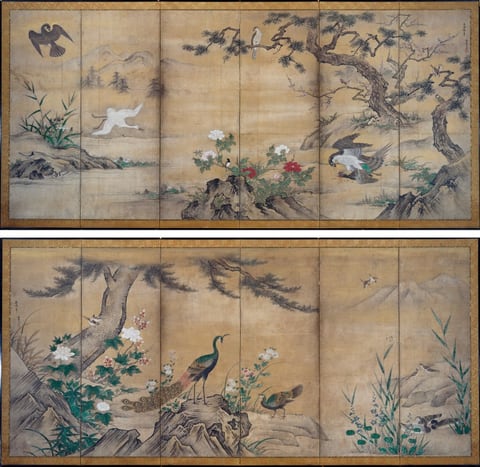
Birds and Flowers, by Kano Mitsunobu, late 1500s
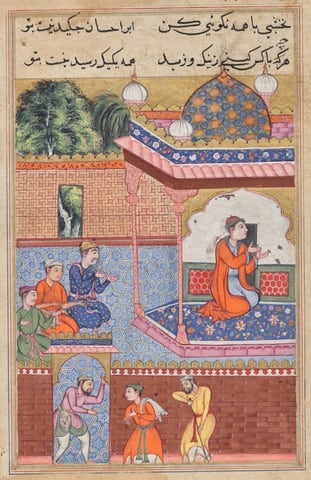
Kaiwan, Latif, and Sharif arrive at a house of worship, where they seek help from Khurshid who has become a mystical healer, from a Tuti-Nama (Tales of a Parrot): Thirty-second Night, c. 1560
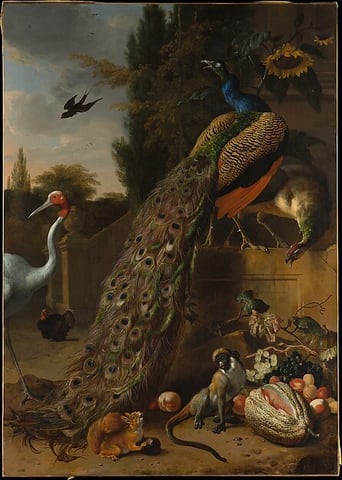
Peacocks, by Melchior d' Hondecoeter, 1683
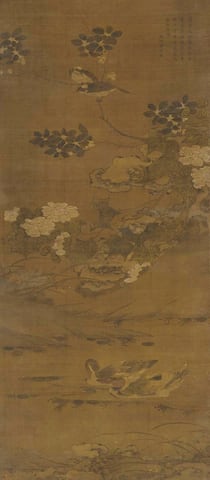
Hanging scroll (mounted on panel)

The works in this room are listed below.

Works in this room

Birds turn up in every tradition gathered here: on Chinese scrolls, in Japanese prints, in natural-history plates and on American canvases. Some are observed with a naturalist's precision, others carry meanings of their own, such as the crane for long life.

Bay 1

  1. Birds and Flowers, by Kano Mitsunobu, late 1500s
    Birds and FlowersKano Mitsunobu, late 1500sCourtesy of the Cleveland Museum of Art
  2. Kaiwan, Latif, and Sharif arrive at a house of worship, where they seek help from Khurshid who has become a mystical healer, from a Tuti-Nama (Tales of a Parrot): Thirty-second Night, c. 1560
    Kaiwan, Latif, and Sharif arrive at a house of worship, where they seek help from Khurshid who has become a mystical healer, from a Tuti-Nama (Tales of a Parrot): Thirty-second NightUnrecorded Indian maker, c. 1560Courtesy of the Cleveland Museum of Art

Bay 2

  1. Peacocks, by Melchior d' Hondecoeter, 1683
    PeacocksMelchior d' Hondecoeter, 1683Courtesy of The Metropolitan Museum of Art
  2. Hanging scroll (mounted on panel)
    Flowers, ducks, and other birdsLi Di, 15th-18th centuryCourtesy of the National Museum of Asian Art, Smithsonian Institution

Bay 3
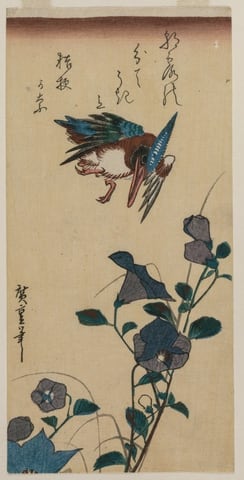
  1. Kingfisher and Chinese Bellflowers, by Utagawa Hiroshige, early or mid-1830s
    Kingfisher and Chinese BellflowersUtagawa Hiroshige, early or mid-1830sCourtesy of the Cleveland Museum of Art
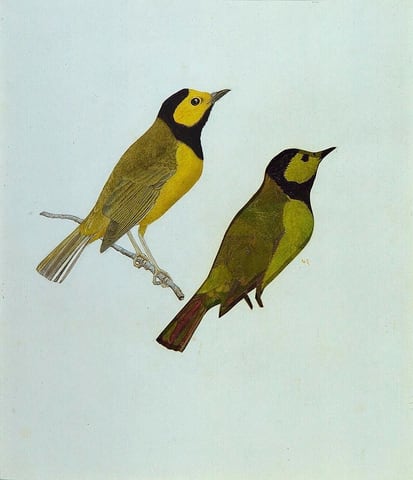
  2. Hooded Warblers, study for book Concealing Coloration in the Animal Kingdom, by Gladys Thayer, ca. 1900-1909
    Hooded Warblers, study for book Concealing Coloration in the Animal KingdomGladys Thayer, ca. 1900-1909Courtesy of the Smithsonian American Art Museum

Bay 4
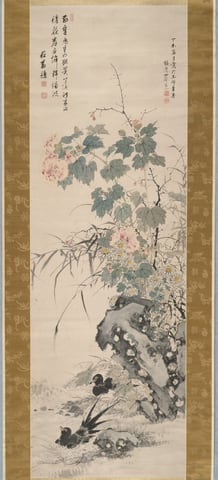
  1. A work made of hanging scroll; ink and color on paper.
    Hibiscus and MagpiesBaiitsu Yamamoto, 1847Courtesy of the Art Institute of Chicago
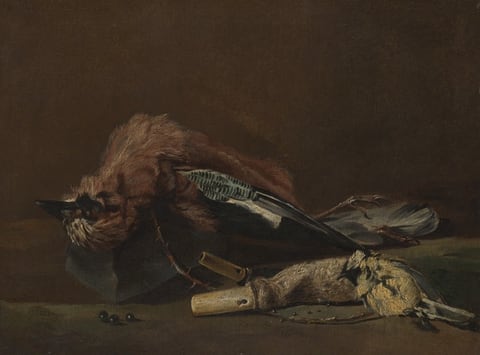
  2. A work made of oil on canvas.
    Dead Birds and Shot BagsPieter Boel, c. 1660Courtesy of the Art Institute of Chicago

Bay 5
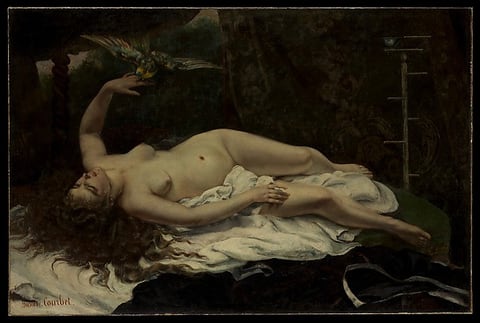
  1. Woman with a Parrot, by Gustave Courbet, 1866
    Woman with a ParrotGustave Courbet, 1866Courtesy of The Metropolitan Museum of Art
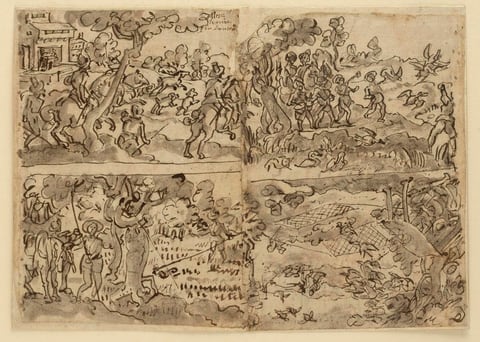
  2. 1901-39-151-a: DEER HUNT WITH HOUNDS [ABOVE]; SKYLARK HUNT WITH FALCONS [BELOW]; 1901-39-151-b: GOOSE AND DUCK HUNT WITH FALCONS [ABOVE RIGHT]; GOOSE HUNT [BELOW RIGHT]
    Goose and Duck Hunt with Falcons [above right]; Goose Hunt [below right]Jan van der Straet, called Stradanus, ca. 1596-99Courtesy of Cooper Hewitt, Smithsonian Design Museum

Bay 6
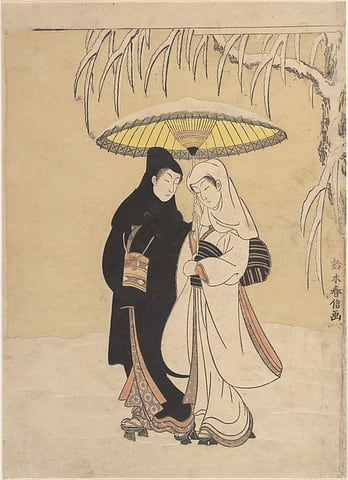
  1. Lovers Walking in the Snow (Crow and Heron), by Suzuki Harunobu, 1764–72
    Lovers Walking in the Snow (Crow and Heron)Suzuki Harunobu, 1764–72Courtesy of The Metropolitan Museum of Art
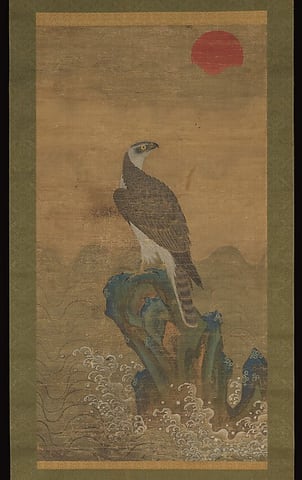
  2. Hawk at sunrise, by Jeong Hong-Rae, second half 18th century–first half 19th century
    Hawk at sunriseJeong Hong-Rae, second half 18th century–first half 19th centuryCourtesy of The Metropolitan Museum of Art

Bay 7
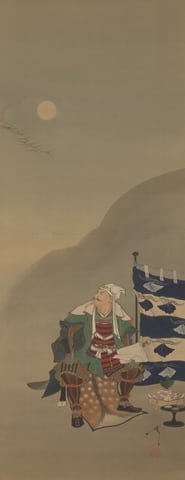
  1. A work made of hanging scroll; ink and colors on silk.
    Frost fills the air and the autumn air is still/lines of returning geese cross the moon in the third hour-Kenshin, from the series Twelve Aspects of the MoonTsukioka Yoshitoshi, 1885/92Courtesy of the Art Institute of Chicago
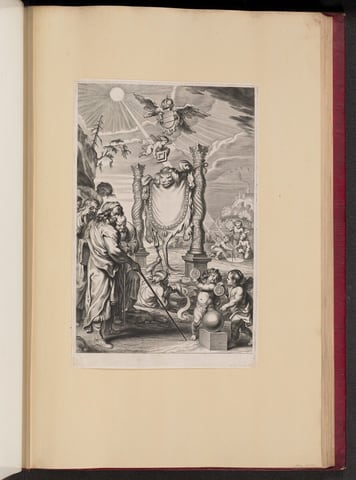
  2. This is a drawing of a mythological or allegorical scene. The scene features various figures of different ages engaged in activities around a central structure resembling an ornate draped curtain held up by columns. There is a celestial element shining down from the top, and an emblem or coat of arms held by winged figures at the very top. The figures are dressed in flowing robes and interact with each other and objects such as a globe and a staff. The composition is rich with symbolism, typical of artwork focused on narrative depth and storytelling.
    Title Page for G. de St. Vincent, Opus Geometricum Quadraturae CirculiCornelis Galle II, 1647Courtesy National Gallery of Art, Washington

Bay 8
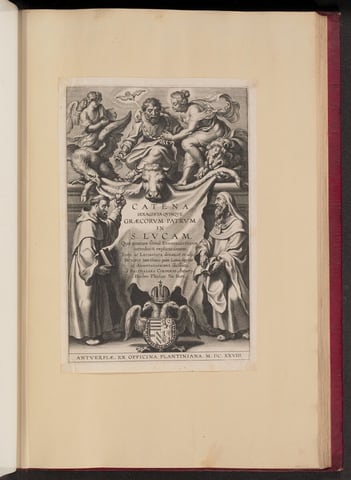
  1. The image features a detailed black and white illustration with multiple human and animal figures in a symbolic arrangement. In the foreground, two full-body figures are depicted in long robes and sandals, positioned on either side of a large draped banner with text. One figure holds an open book. Above the banner are celestial figures in dynamic poses. To the left is a winged bull-like creature and a seated male figure with a beard, next to a female figure in classical attire. They are all surrounded by flowing fabric and a lion-like animal. In the lower center foreground, there is an emblem resembling a coat of arms with an eagle and a crowned shield. The background is textured, with no natural landscape or architecture present, allowing the figures to stand out. The illustration is framed by the margins of an open book.
    Title Page for Balthasar Cordier, Catena Sexaginta Qvinqve Graecorvm Patrvm in S. Lvcam...Cornelis Galle I, 1628Courtesy National Gallery of Art, Washington
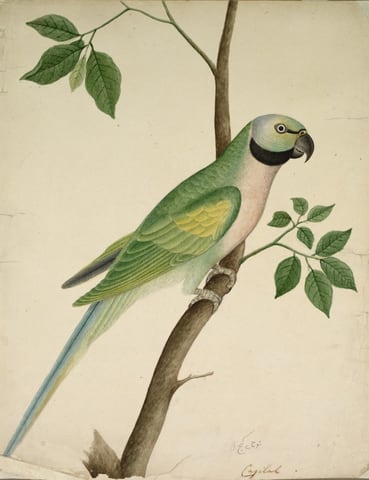
  2. Green Parrot, c. 1820
    Green ParrotUnrecorded Indian maker, c. 1820Courtesy of the Cleveland Museum of Art