Ukiyo-e
Works in this room
Japanese woodblock prints of the floating world: actors, courtesans, landscapes and the sea.
Section 1, north wall
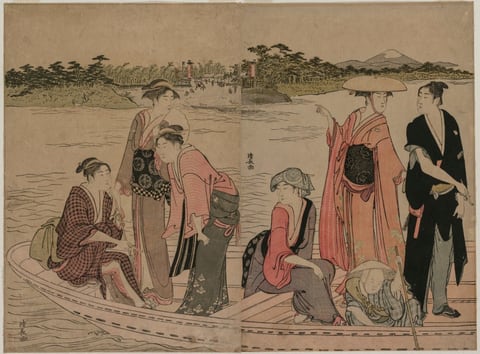
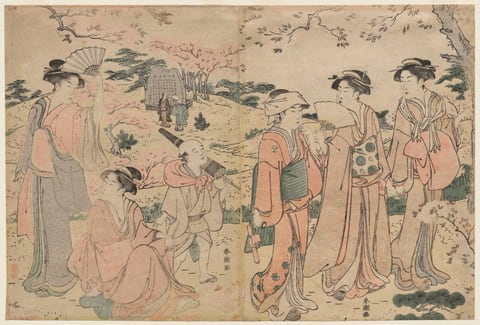
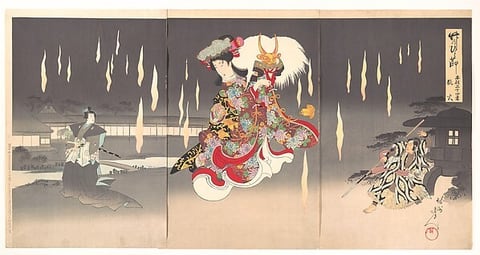
Passengers in a Ferry Boat on the Sumida RiverTorii Kiyonaga, 1784Courtesy of the Cleveland Museum of Art Women Viewing Cherry Blossoms at AsukayamaKatsukawa Shunchô, 1780sCourtesy of the Cleveland Museum of Art Scene of Foxfire (Kitsunebi) from the Play Honchō nijūshikōYōshū (Hashimoto) Chikanobu, 1898Courtesy of The Metropolitan Museum of Art
Section 1, south wall
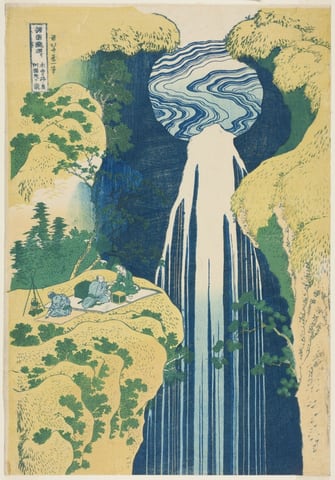
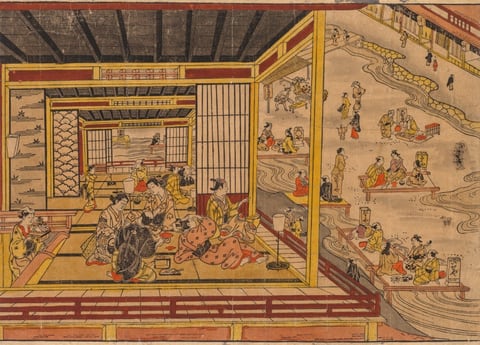
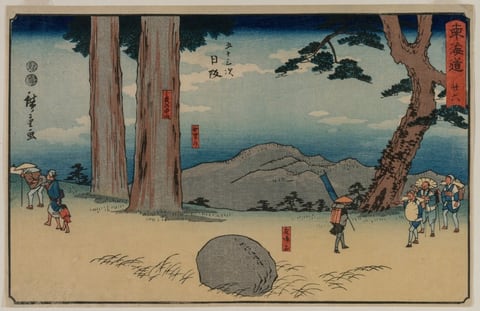
Amida Falls in the Far Reaches of the Kisokaido (Kisoji no oku Amidagataki), from the series "A Tour of Waterfalls in Various Provinces (Shokoku taki meguri)"Katsushika Hokusai, About 1833Courtesy of the Art Institute of Chicago Tea House Beside the Kamo River in KyotoNishimura Shigenaga (Japanese, 1697(?)-1756), 1740sCourtesy of the Cleveland Museum of Art Nissaka: The Night-Weeping Stone at Sayo no Nakayama, from the series The Fifty-Three Stations of the TōkaidōUtagawa Hiroshige, c. 1848–50Courtesy of the Cleveland Museum of Art
Section 2, south wall
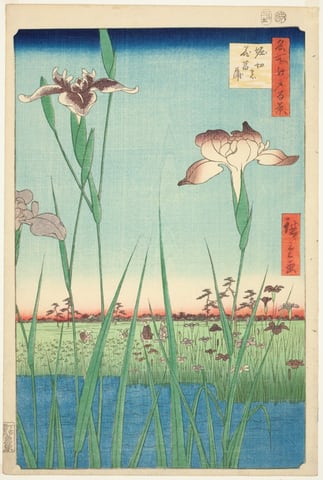
Irises at Horikiri (Horikiri no hanashobu), from the series "One Hundred Famous Views of Edo (Meisho Edo hyakkei)"Utagawa Hiroshige, 1857Courtesy of the Art Institute of Chicago 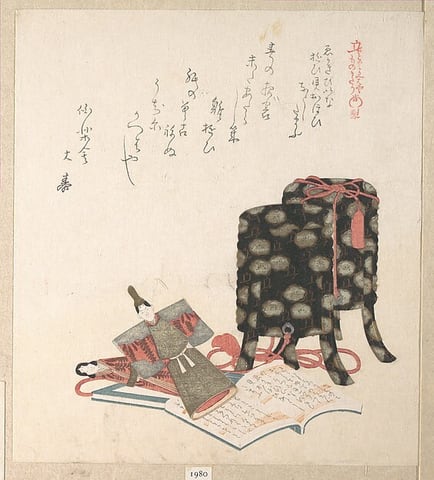
The Doll Festival, Third Day of the Third MonthKubo Shunman, 19th centuryCourtesy of The Metropolitan Museum of Art 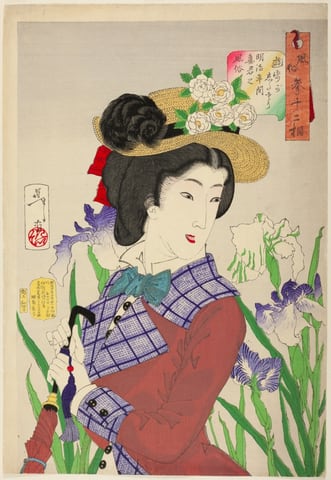
In The Mood for a Walk (Yuho ga shitaso), from the series "Thirty-two Aspects of Women (Fuzoku sanjuniso)"Tsukioka Yoshitoshi, 1888Courtesy of the Art Institute of Chicago
Section 2, north wall
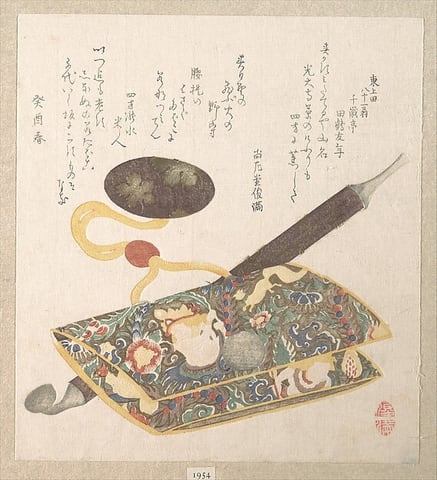
Tobacco Pouch and PipeKubo Shunman, 1813Courtesy of The Metropolitan Museum of Art 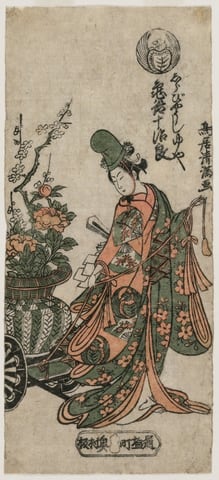
Kametani Jujiro as the Shirabyoshi Dancer YuyaTorii Kiyomitsu, c. early 1760sCourtesy of the Cleveland Museum of Art 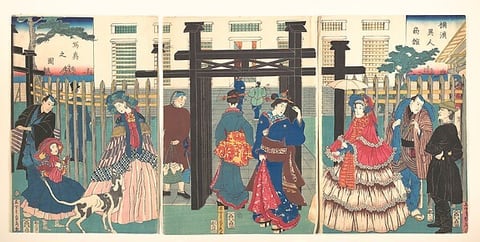
Foreign Business Establishment in Yokohama (Yokohama ijin shōkan shashin no zu)Utagawa (Gountei) Sadahide, 1861Courtesy of The Metropolitan Museum of Art
Section 3, north wall
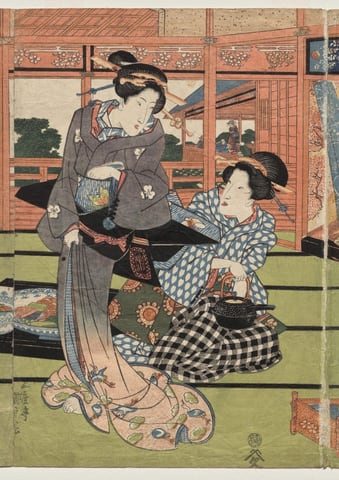
A View of the Large New Room at SakuraiUtagawa Kunisada, early or mid 1830sCourtesy of the Cleveland Museum of Art 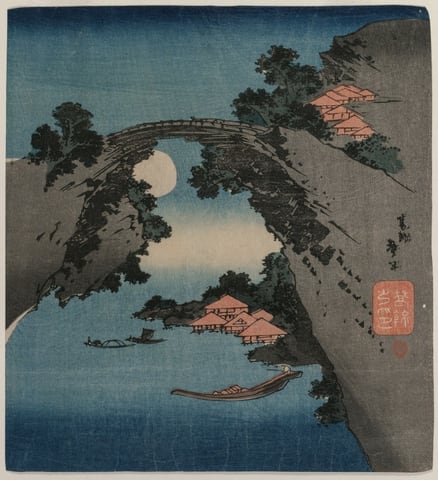
The Monkey BridgeKatsushika Taito II, early 1830sCourtesy of the Cleveland Museum of Art
Section 3, south wall
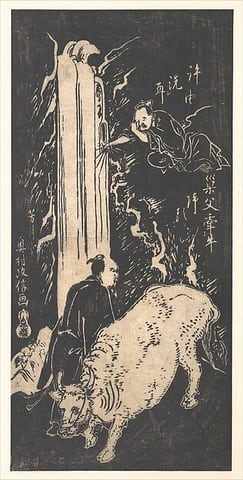
Xu You and Chao FuOkumura Masanobu, 18th centuryCourtesy of The Metropolitan Museum of Art 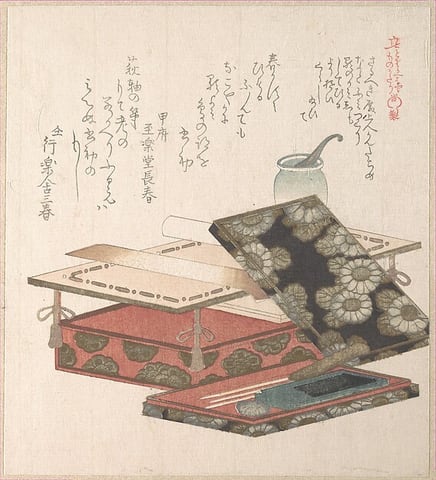
Table and Writing SetKubo Shunman, 19th centuryCourtesy of The Metropolitan Museum of Art