Floor plan

Style galleriesPaintings of the 18th century
Paintings of the 18th century
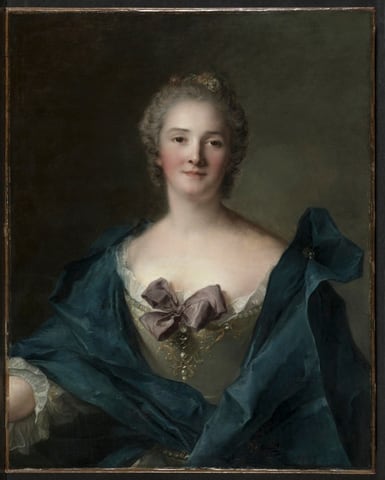
Portrait of a Woman, by Jean-Marc Nattier, c. 1748
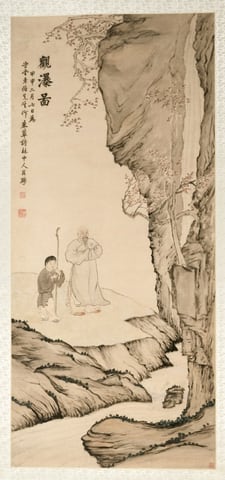
Scholar Watching the Waterfall, by Luo Ping, 1764
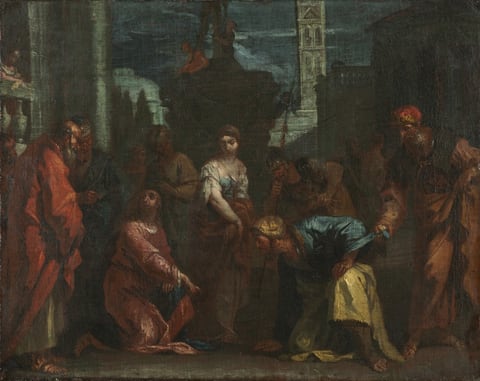
Christ and the Woman Taken in Adultery, by Sebastiano Ricci, mid-1700s
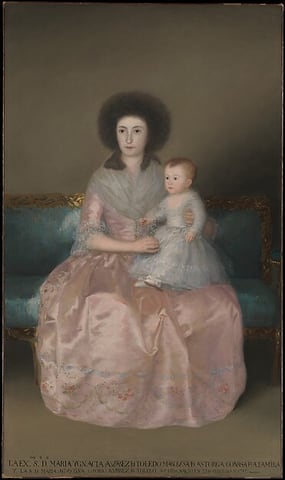
Condesa de Altamira and Her Daughter, María Agustina, by Francisco Goya, 1787–88
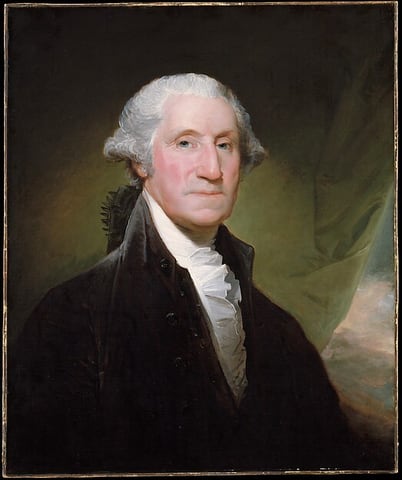
George Washington, by Gilbert Stuart, begun 1795
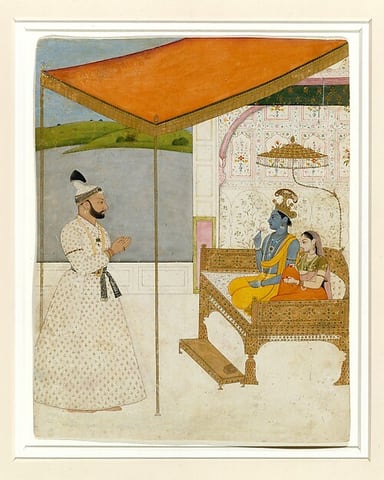
Raja Balwant Singh’s Vision of Krishna and Radha, by Nainsukh, ca. 1745–50

The works in this room are listed below.

Works in this room

Paintings made in the 18th century, from every museum.

Section 1, north wall

  1. Portrait of a Woman, by Jean-Marc Nattier, c. 1748
    Portrait of a WomanJean-Marc Nattier, c. 1748Courtesy of the Cleveland Museum of Art
  2. Scholar Watching the Waterfall, by Luo Ping, 1764
    Scholar Watching the WaterfallLuo Ping, 1764Courtesy of the Cleveland Museum of Art
  3. Christ and the Woman Taken in Adultery, by Sebastiano Ricci, mid-1700s
    Christ and the Woman Taken in AdulterySebastiano Ricci, mid-1700sCourtesy of the Cleveland Museum of Art

Section 1, south wall

  1. Condesa de Altamira and Her Daughter, María Agustina, by Francisco Goya, 1787–88
    Condesa de Altamira and Her Daughter, María AgustinaFrancisco Goya, 1787–88Courtesy of The Metropolitan Museum of Art
  2. George Washington, by Gilbert Stuart, begun 1795
    George WashingtonGilbert Stuart, begun 1795Courtesy of The Metropolitan Museum of Art
  3. Raja Balwant Singh’s Vision of Krishna and Radha, by Nainsukh, ca. 1745–50
    Raja Balwant Singh’s Vision of Krishna and RadhaNainsukh, ca. 1745–50Courtesy of The Metropolitan Museum of Art

Section 2, south wall
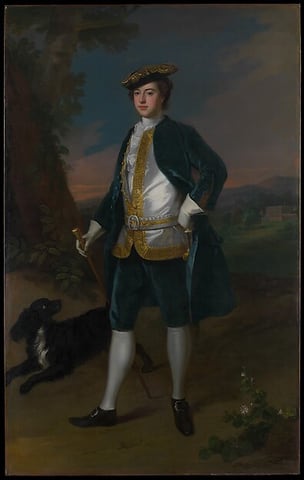
  1. Sir James Dashwood (1715–1779), by Enoch Seeman the Younger, 1737
    Sir James Dashwood (1715–1779)Enoch Seeman the Younger, 1737Courtesy of The Metropolitan Museum of Art
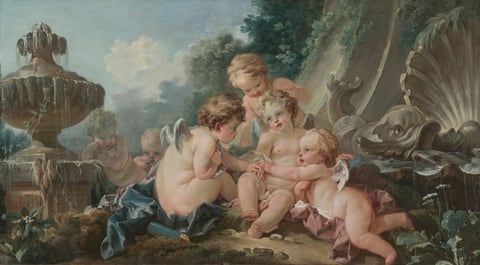
  2. Cupids in Conspiracy, by François Boucher, 1740s
    Cupids in ConspiracyFrançois Boucher, 1740sCourtesy of the Cleveland Museum of Art
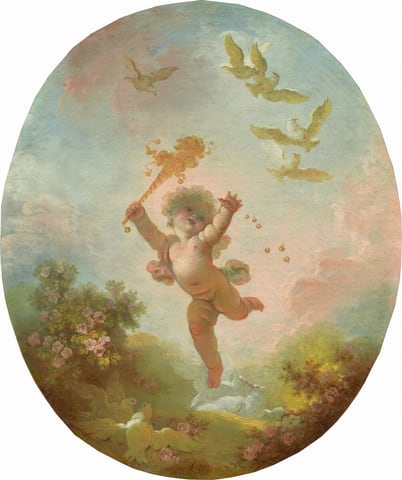
  3. This oval painting shows a cherubic child floating mid-air with one leg bent and their arms outstretched. The cherub has curly hair, a round face, and pale skin dusted with rosy pink and light teal shadows. They are smiling gently. The cherub is nude with a draped cloth over one shoulder, and in one hand they hold a flaming torch. Surrounding the cherub are white birds in flight. The background consists of pale blue and soft white clouds, with blooming pink flowers and foliage on the pale green ground.
    Love as FollyJean Honoré Fragonard, c. 1773/1776Courtesy National Gallery of Art, Washington

Section 2, north wall
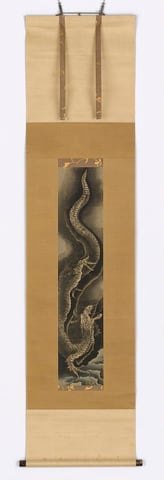
  1. Hanging scroll
    Descending dragonKatsushika Hokusai, 1760-1849Courtesy of the National Museum of Asian Art, Smithsonian Institution
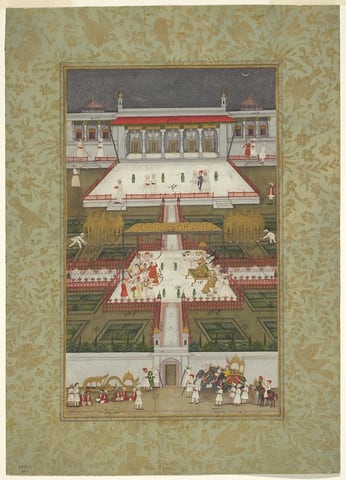
  2. A work made of opaque watercolor and gold on paper.
    Ruler Entertained by Dancers in a Paradise GardenUnrecorded Indian maker, Late 18th centuryCourtesy of the Art Institute of Chicago
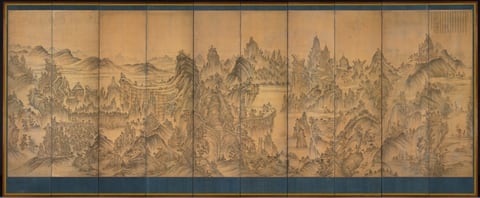
  3. Seven Jeweled Mountain, late 1800s
    Seven Jeweled MountainUnrecorded Korean maker, late 1800sCourtesy of the Cleveland Museum of Art

Section 3, north wall
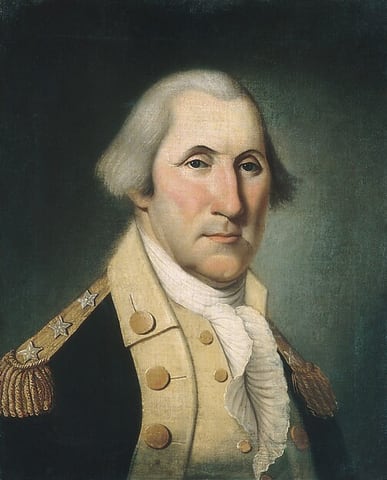
  1. George Washington, by Charles Peale Polk, ca. 1790
    George WashingtonCharles Peale Polk, ca. 1790Courtesy of The Metropolitan Museum of Art
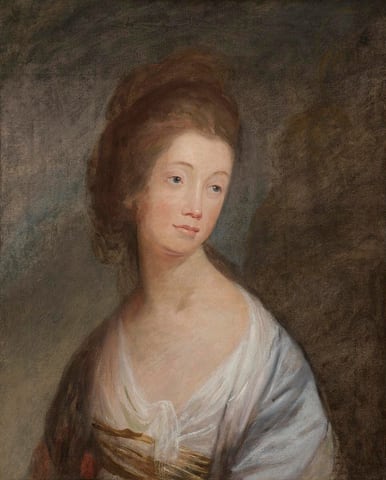
  2. Artist: Robert Edge Pine, Sitter: Margaret Brown Stone, Current owner: National Portrait Gallery, Smithsonian Institution
    Margaret Brown StoneRobert Edge Pine, c. 1785Courtesy of the National Portrait Gallery, Smithsonian Institution
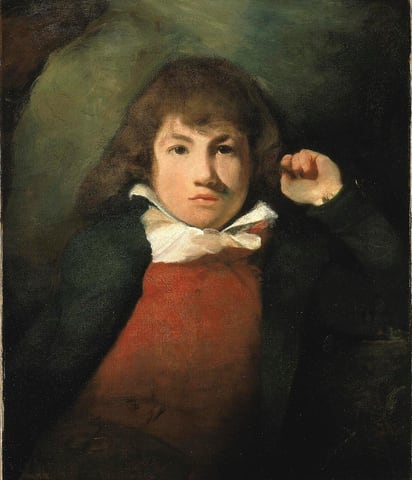
  3. Portrait of a Boy, ca. 1800
    Portrait of a BoyUnrecorded Italian maker, ca. 1800Courtesy of the Smithsonian American Art Museum
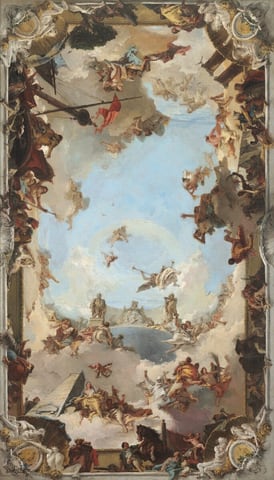
  4. We look up through an opening surrounded by a stone ledge, with clusters of people and clouds swirling into a blue sky up and away from us in this vertical, rectangular painting. From a distance, the scene looks like a complete illusion but up close, the people, clouds, and architecture are sketchily painted. The ledge running around the opening has a gold, oval medallion at each corner. Appearing to be carved from white stone, two bearded men with long hair recline against each medallion, flanking them to each side in front of large shells that curve up over the people and frames them. A few architectural structures extend up into the sky, including a pointed obelisk in the lower left corner, a pair of columns at the upper right, and what seems to be the mast of a ship at the top left. Most of the people have pale skin but some have more tan complexions, and a few, including those wearing feather headdresses near the upper left corner, have brown skin. The people wear windswept robes of pale, butter yellow, robin’s egg blue, rose pink, and ivory. The eye may drawn to a few vignettes, such as the man holding a rearing, chestnut-brown horse on the illusionistic ledge near the lower right, a nun wearing a white robe and holding a cross above him in the clouds, and, farthest away, a crowned person sitting on a throne.
    Wealth and Benefits of the Spanish Monarchy under Charles IIIGiovanni Battista Tiepolo, 1762Courtesy National Gallery of Art, Washington