Floor plan

Style galleriesEarly modernism

Early modernism

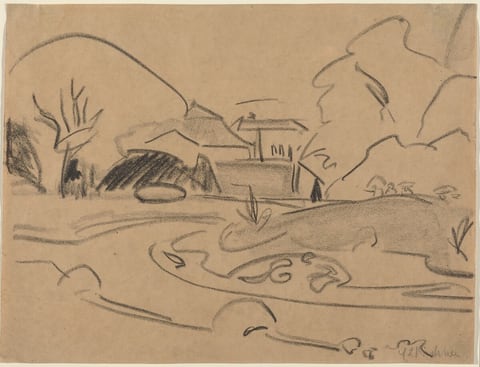
The image shows a landscape drawing with buildings, trees, and a winding path or water feature. The drawing is done in black charcoal on brownish background paper, creating a monochromatic color palette.
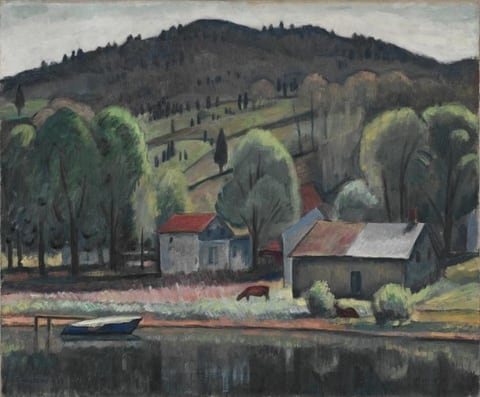
Eddyville, by Samuel Halpert, 1917
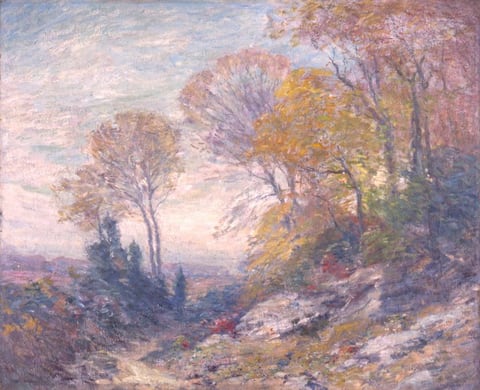
October Morning, by Frank A. Bicknell, ca. 1910
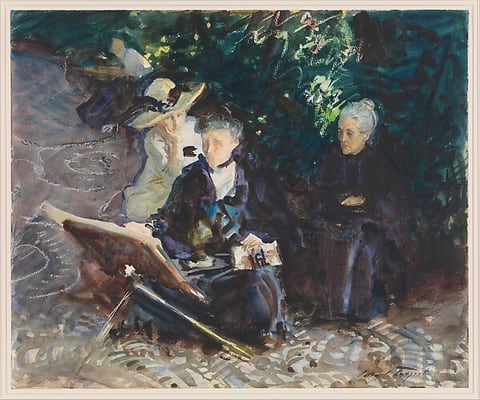
In the Generalife, by John Singer Sargent, 1912
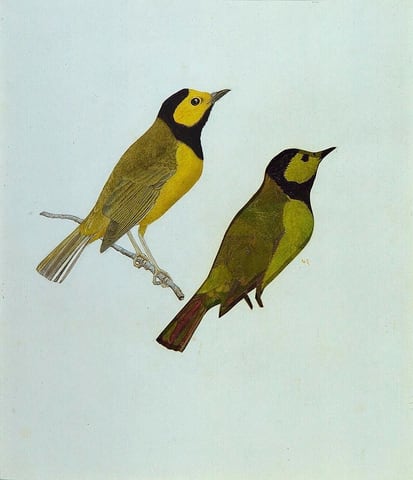
Hooded Warblers, study for book Concealing Coloration in the Animal Kingdom, by Gladys Thayer, ca. 1900-1909
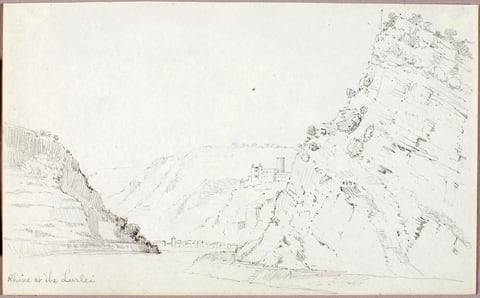
Rhine at the Lurlei, by George Elbert Burr, 1900
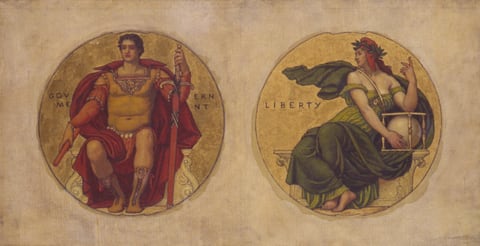
Study for mosaic in the Wisconsin State Capital "Government and Liberty", by Kenyon Cox, ca. 1912

The works in this room are listed below.

Works in this room

The first decades of the twentieth century, when artists broke with the academy.

First room, north wall

  1. The image shows a landscape drawing with buildings, trees, and a winding path or water feature. The drawing is done in black charcoal on brownish background paper, creating a monochromatic color palette.
    Footpaths and Pavilion in the Dresden Grosser GartenErnst Ludwig Kirchner, c. 1909Courtesy National Gallery of Art, Washington
  2. Eddyville, by Samuel Halpert, 1917
    EddyvilleSamuel Halpert, 1917Courtesy of the Cleveland Museum of Art
  3. October Morning, by Frank A. Bicknell, ca. 1910
    October MorningFrank A. Bicknell, ca. 1910Courtesy of the Smithsonian American Art Museum

First room, south wall

  1. In the Generalife, by John Singer Sargent, 1912
    In the GeneralifeJohn Singer Sargent, 1912Courtesy of The Metropolitan Museum of Art
  2. Hooded Warblers, study for book Concealing Coloration in the Animal Kingdom, by Gladys Thayer, ca. 1900-1909
    Hooded Warblers, study for book Concealing Coloration in the Animal KingdomGladys Thayer, ca. 1900-1909Courtesy of the Smithsonian American Art Museum
  3. Rhine at the Lurlei, by George Elbert Burr, 1900
    Rhine at the LurleiGeorge Elbert Burr, 1900Courtesy of the Smithsonian American Art Museum
  4. Study for mosaic in the Wisconsin State Capital "Government and Liberty", by Kenyon Cox, ca. 1912
    Study for mosaic in the Wisconsin State Capital "Government and Liberty"Kenyon Cox, ca. 1912Courtesy of the Smithsonian American Art Museum

Second room, south wall
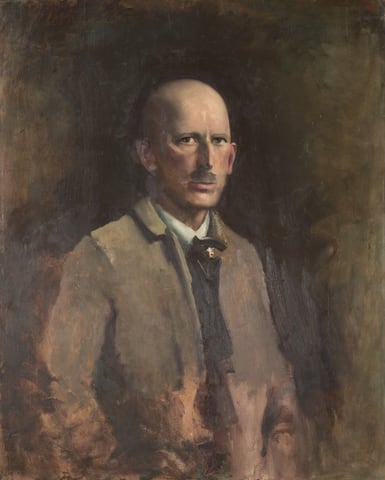
  1. Self-Portrait, by Abbott Handerson Thayer, 1920
    Self-PortraitAbbott Handerson Thayer, 1920Courtesy of the Cleveland Museum of Art
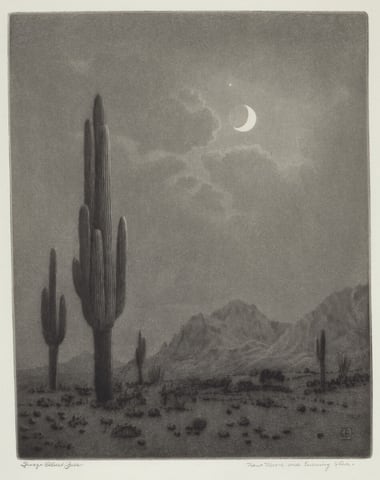
  2. This print depicts a grayscale desert landscape with a prominent saguaro cactus to the left. In the background, rocky mountains are visible in the darkness. The sky shows a crescent moon and a bright star through an opening in the soft gray clouds. Sparse desert vegetation is faintly visible on the ground, and more cacti can be seen in the distance.
    New Moon and Evening StarGeorge Elbert Burr, c. 1932Courtesy National Gallery of Art, Washington
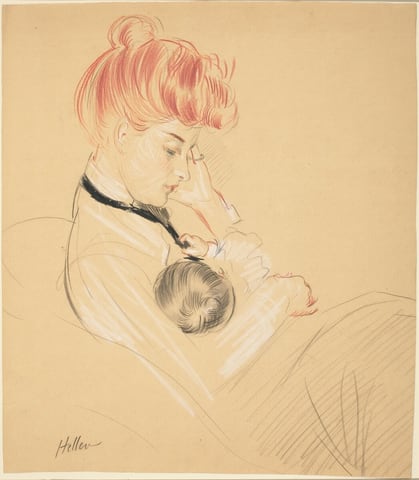
  3. Madame Helleu Cradling Paulette in Her Arms, by Paul-César Helleu, 1904/1905
    Madame Helleu Cradling Paulette in Her ArmsPaul-César Helleu, 1904/1905Courtesy National Gallery of Art, Washington
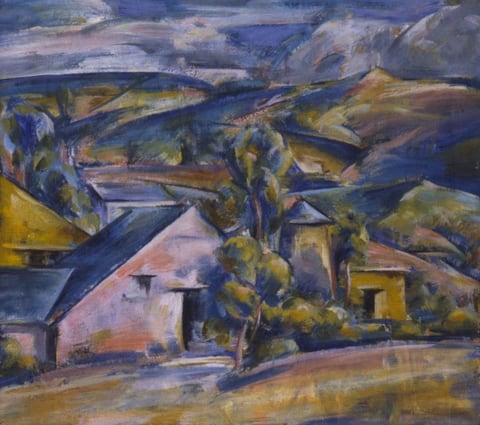
  4. The Hills, by Preston Dickinson, ca. 1919
    The HillsPreston Dickinson, ca. 1919Courtesy of the Smithsonian American Art Museum

Second room, north wall
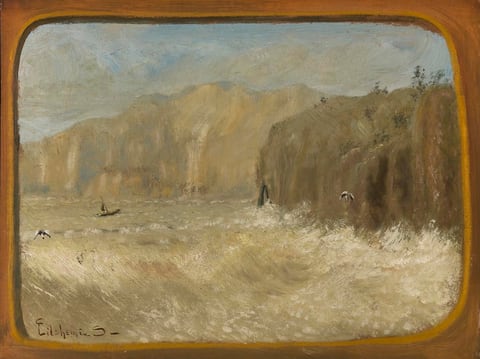
  1. Two Gulls and Cliffs, by Louis M. Eilshemius, ca. 1913-1921
    Two Gulls and CliffsLouis M. Eilshemius, ca. 1913-1921Courtesy of the Smithsonian American Art Museum
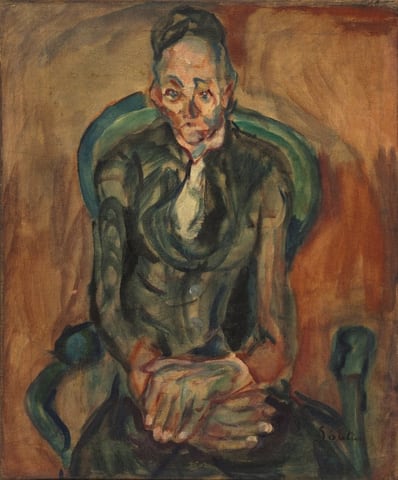
  2. Old Woman, by Chaïm Soutine, c. 1923–24
    Old WomanChaïm Soutine, c. 1923–24Courtesy of the Cleveland Museum of Art
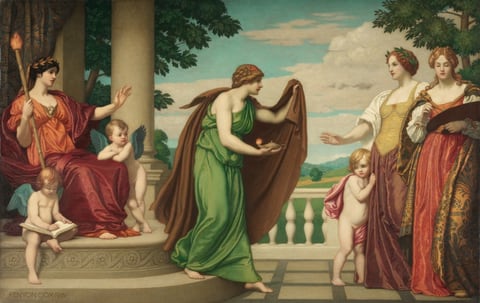
  3. Tradition, by Kenyon Cox, 1916
    TraditionKenyon Cox, 1916Courtesy of the Cleveland Museum of Art

Third room, north wall
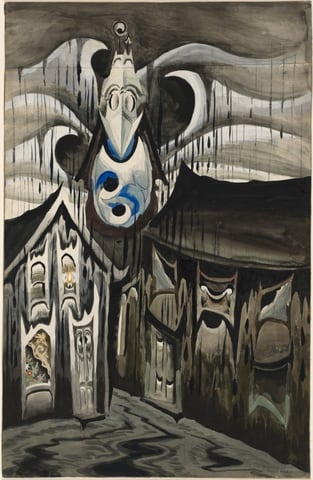
  1. Church Bells Ringing, Rainy Winter Night, by Charles Burchfield, December 1917
    Church Bells Ringing, Rainy Winter NightCharles Burchfield, December 1917Courtesy of the Cleveland Museum of Art
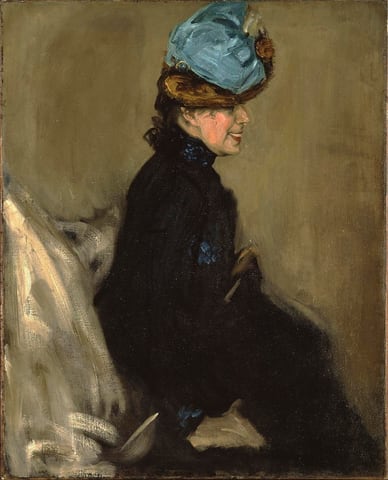
  2. Alfred Henry Maurer
    Woman in BlackAlfred Henry Maurer, (c. 1904)Courtesy of the Hirshhorn Museum and Sculpture Garden, Smithsonian Institution