Floor plan

Time and placeThe 19th century

The 19th century

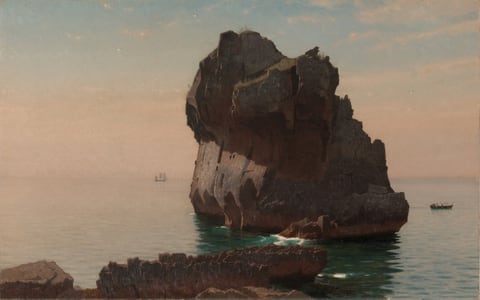
Capri, by William Stanley Haseltine, 1869
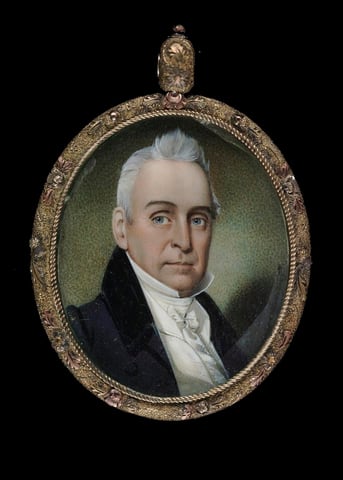
William Wilson, by George Catlin, ca. 1826
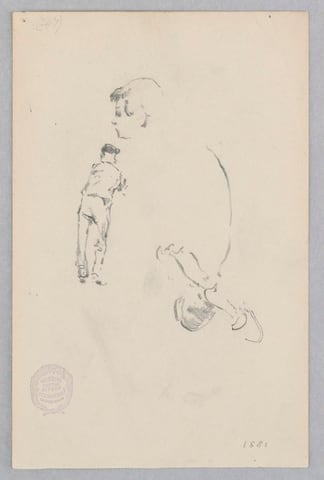
FIGURES
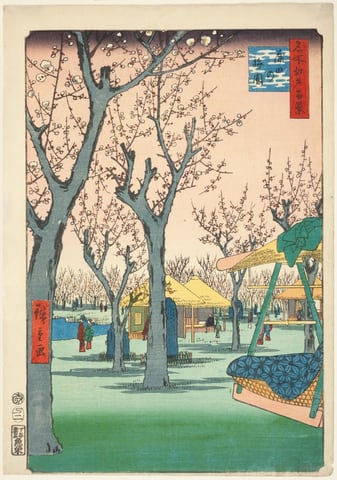
A work made of color woodblock print; oban.
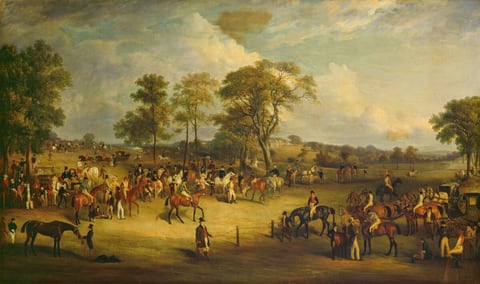
The painting depicts an equestrian scene with people and horses in a green landscape. There are several people on horseback, and others standing by horses. Some people are also sitting in horse-drawn carriages. The horses are in a variety of colors, and the people wear formal clothing like suit jackets, top hats, vests, or colorful dresses. People fill the middle of the scene and the green hills that rise to the left, while a wide path is marked off on the right, bordered by fences. There are some tall trees around the area, with people gathering below them. In the distance, a large white building with columns and blue roofs can be seen. There is also a white tent partially behind a hill on the left. The sky above is blue and filled with white and gray clouds.
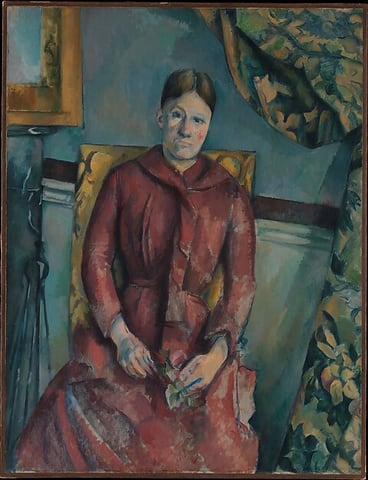
Madame Cézanne (Hortense Fiquet, 1850–1922) in a Red Dress, by Paul Cézanne, 1888–90
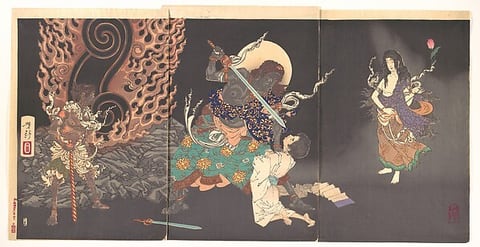
Fudō Myōō Threatening a Novice, by Tsukioka Yoshitoshi, 1885

The works in this room are listed below.

Works in this room

Works made in the 19th century, anywhere in the world.

Section 1, north wall

  1. Capri, by William Stanley Haseltine, 1869
    CapriWilliam Stanley Haseltine, 1869Courtesy of the Cleveland Museum of Art
  2. William Wilson, by George Catlin, ca. 1826
    William WilsonGeorge Catlin, ca. 1826Courtesy of the Smithsonian American Art Museum
  3. FIGURES
    FiguresRobert Frederick Blum, 1881Courtesy of Cooper Hewitt, Smithsonian Design Museum
  4. A work made of color woodblock print; oban.
    The Plum Orchard at Kamata (Kamata no umezono), from the series "One Hundred Famous Views of Edo (Meisho Edo hyakkei)"Utagawa Hiroshige, 1857Courtesy of the Art Institute of Chicago

Section 1, south wall

  1. The painting depicts an equestrian scene with people and horses in a green landscape. There are several people on horseback, and others standing by horses. Some people are also sitting in horse-drawn carriages. The horses are in a variety of colors, and the people wear formal clothing like suit jackets, top hats, vests, or colorful dresses. People fill the middle of the scene and the green hills that rise to the left, while a wide path is marked off on the right, bordered by fences. There are some tall trees around the area, with people gathering below them. In the distance, a large white building with columns and blue roofs can be seen. There is also a white tent partially behind a hill on the left. The sky above is blue and filled with white and gray clouds.
    Heaton Park RacesJohn Ferneley, 1829Courtesy National Gallery of Art, Washington
  2. Madame Cézanne (Hortense Fiquet, 1850–1922) in a Red Dress, by Paul Cézanne, 1888–90
    Madame Cézanne (Hortense Fiquet, 1850–1922) in a Red DressPaul Cézanne, 1888–90Courtesy of The Metropolitan Museum of Art
  3. Fudō Myōō Threatening a Novice, by Tsukioka Yoshitoshi, 1885
    Fudō Myōō Threatening a NoviceTsukioka Yoshitoshi, 1885Courtesy of The Metropolitan Museum of Art

Section 2, south wall
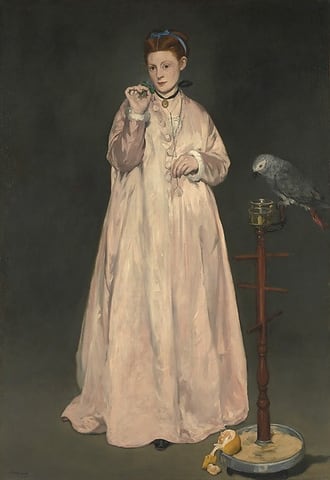
  1. Young Lady in 1866, by Édouard Manet, 1866
    Young Lady in 1866Édouard Manet, 1866Courtesy of The Metropolitan Museum of Art
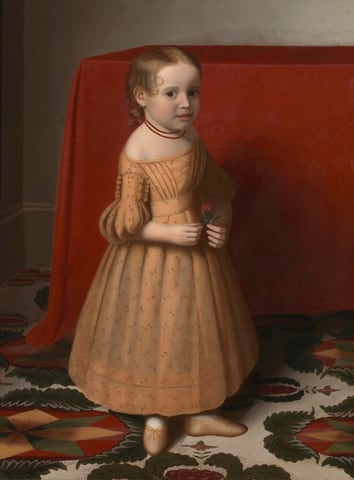
  2. Portrait of a Young Girl with Rose, by Oliver Tarbell Eddy, ca. 1838
    Portrait of a Young Girl with RoseOliver Tarbell Eddy, ca. 1838Courtesy of the Smithsonian American Art Museum
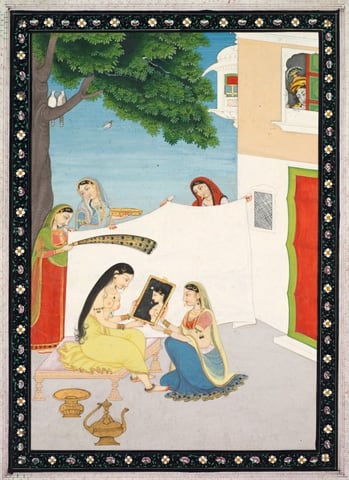
  3. Toilette of Radha, c. 1810–20
    Toilette of RadhaUnrecorded Indian maker, c. 1810–20Courtesy of the Cleveland Museum of Art
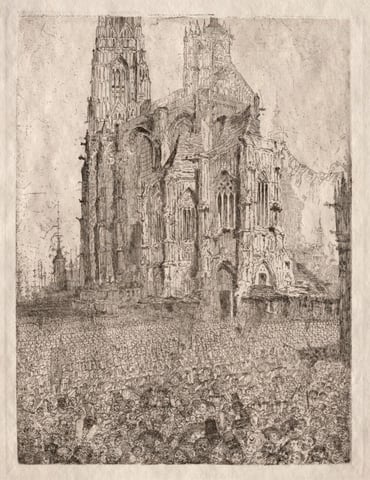
  4. The Cathedral, by James Ensor, 1886
    The CathedralJames Ensor, 1886Courtesy of the Cleveland Museum of Art

Section 2, north wall
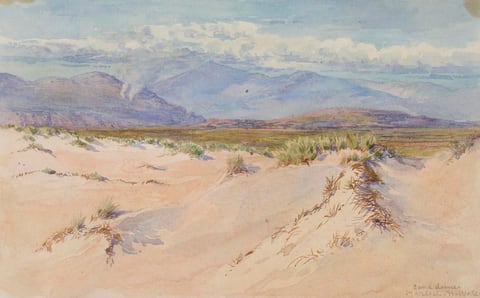
  1. Sand Dunes, Harlech, North Wales, by George Elbert Burr, 1899
    Sand Dunes, Harlech, North WalesGeorge Elbert Burr, 1899Courtesy of the Smithsonian American Art Museum
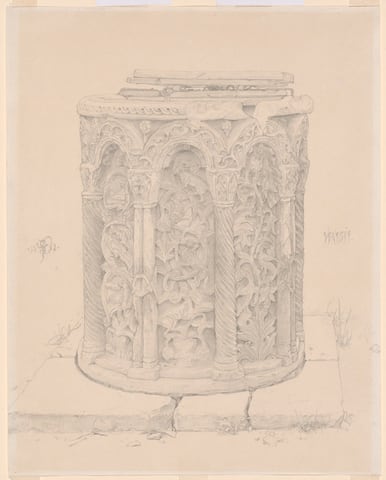
  2. A work made of graphite on ivory wove paper.
    A Byzantine Well-headFrederic Leighton, 1st Baron Leighton of Stretton, 1852Courtesy of the Art Institute of Chicago
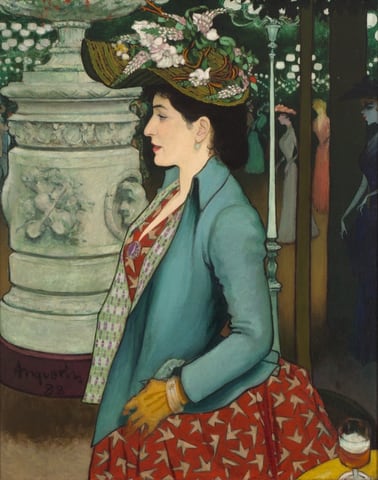
  3. A work made of oil on canvas.
    A Woman at the Élysée Montmartre (Femme à l’Élysée Montmartre)Louis Anquetin, 1888Courtesy of the Art Institute of Chicago

Section 3, north wall
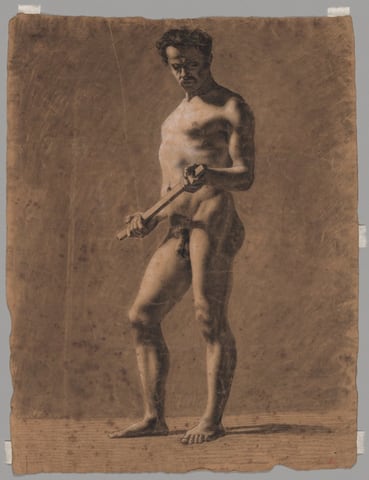
  1. A work made of black chalk and charcoal with stumping, heightened with white chalk (recto), and black chalk and charcoal with stumping (verso), on dark tan laid paper.
    Standing Academic Male Nude (recto); Sketch of Upper Arm (verso)Eugène Delacroix, 1816Courtesy of the Art Institute of Chicago
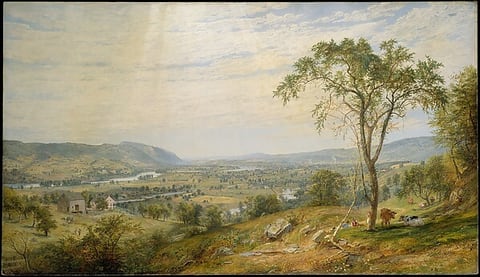
  2. The Valley of Wyoming, by Jasper Francis Cropsey, 1865
    The Valley of WyomingJasper Francis Cropsey, 1865Courtesy of The Metropolitan Museum of Art