Baroque and Rococo


Works in this room
Drama, movement and deep shadow in the 1600s, then the light, playful decoration of eighteenth-century Europe.
First room, north wall
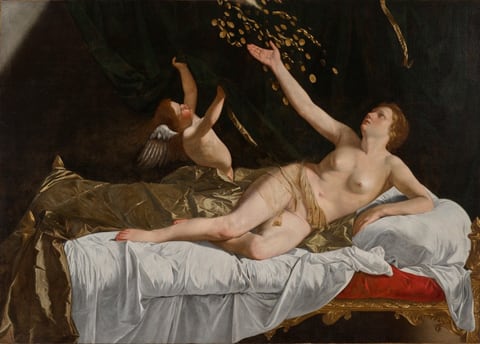
Jacopo ButeraFrancesco Solimena, c. 1695Courtesy of the Art Institute of Chicago DanaëOrazio Gentileschi, c. 1623Courtesy of the Cleveland Museum of Art
First room, south wall
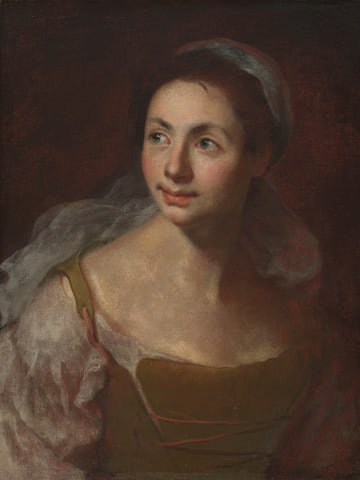
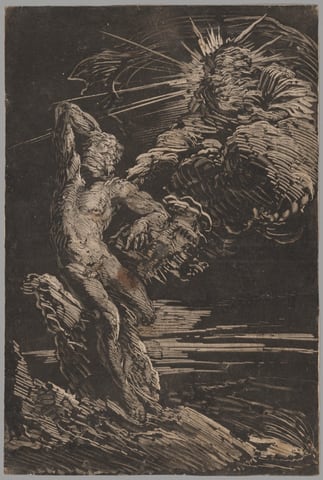
Portrait of a GirlFrancesco Solimena, c. 1700Courtesy of the Art Institute of Chicago The Supper at EmmausGiovanni Battista Piazzetta, c. 1720Courtesy of the Cleveland Museum of Art The Creation of AdamGiovanni Benedetto Castiglione, c. 1645/50Courtesy of the Art Institute of Chicago
Second room, south wall
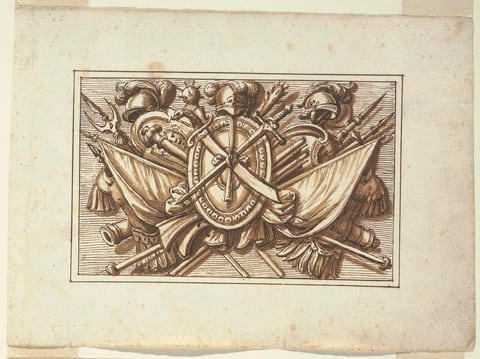
One set of trophies of weapons of war as a decoration for horizontal panels. Intended to be engravedFrancesco Bedeschini, Italian, 1675-1699Courtesy of Cooper Hewitt, Smithsonian Design Museum 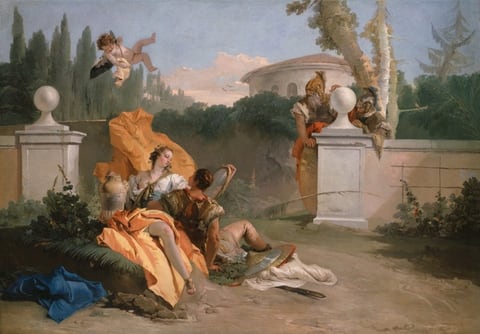
Rinaldo and Armida in Her GardenGiovanni Battista Tiepolo, c. 1742–45Courtesy of the Art Institute of Chicago
Second room, north wall
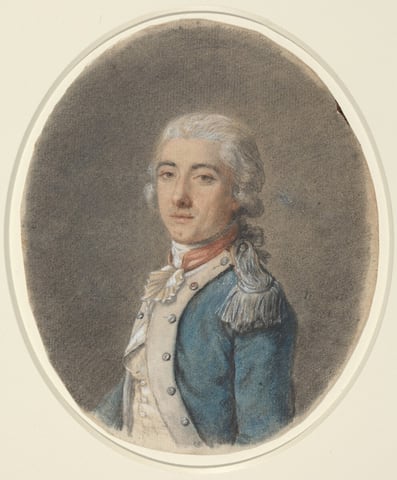
Portrait of a Man in a Military UniformUnrecorded French maker, 18th centuryCourtesy National Gallery of Art, Washington 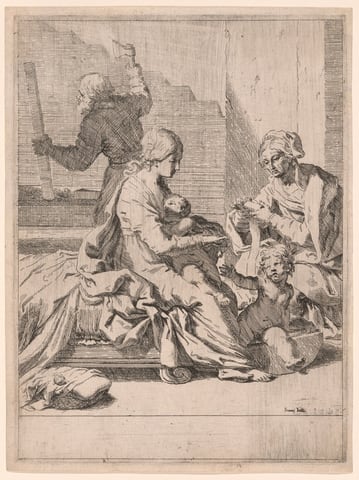
Holy Family with Saint Elizabeth and Saint John the BaptistElisabetta Sirani, 1650/60Courtesy of the Art Institute of Chicago 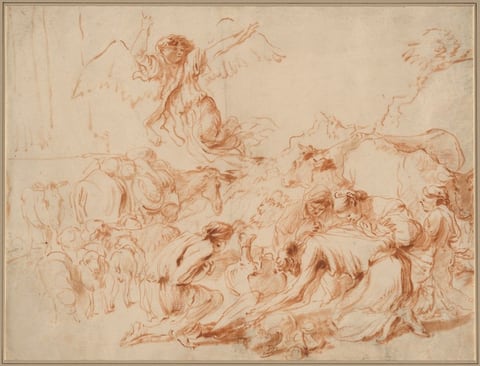
The Angel Departing from the Family of Tobit (?)Giovanni Benedetto Castiglione, c. 1655Courtesy of the Art Institute of Chicago 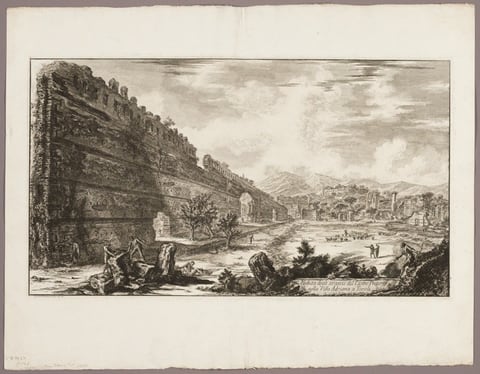
View of the Remains of the Praetorian Fort [the Poecile], Hadrian's Villa, Tivoli, from Views of RomeGiovanni Battista Piranesi, 1770Courtesy of the Art Institute of Chicago
Third room, north wall
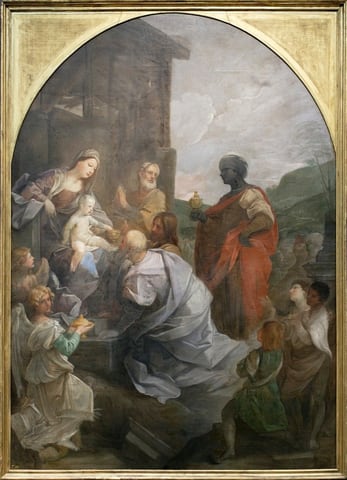
Adoration of the MagiGuido Reni, 1642Courtesy of the Cleveland Museum of Art 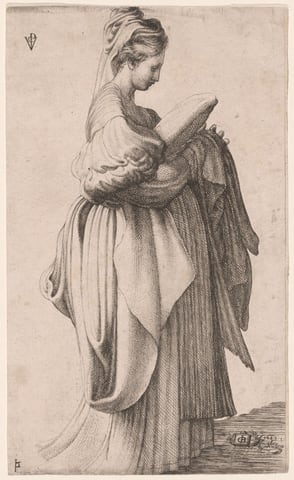
A Young Woman Holding a CushionMonogrammist VCP, 1643Courtesy of the Art Institute of Chicago 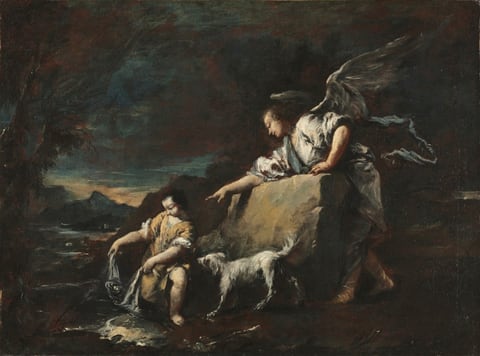
Tobias and the AngelFrancesco Guardi, 1750sCourtesy of the Cleveland Museum of Art
Third room, south wall
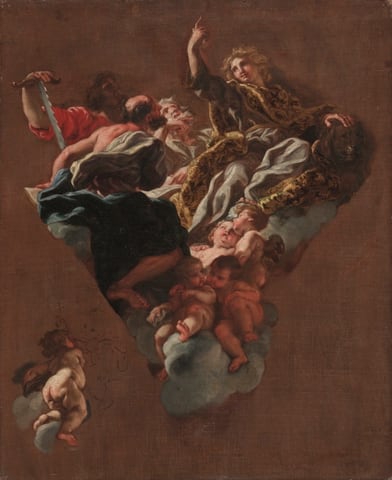
Sketch for "The Four Prophets of Israel" (for Il Gesù, Rome)Giovanni Battista Gaulli, c. 1675–1677Courtesy of the Cleveland Museum of Art 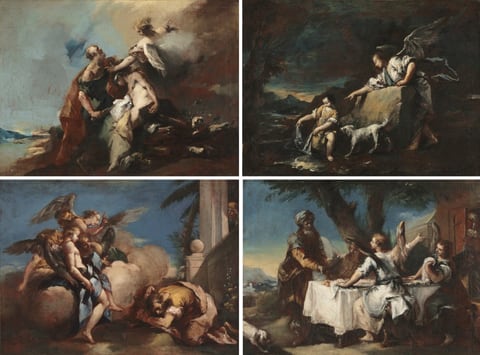
The Sacrifice of Isaac, Tobias and the Angel, The Angels Appearing to Abraham, Abraham Welcoming the Three Angels (painting series)Francesco Guardi, 1750sCourtesy of the Cleveland Museum of Art