Bartolomeo Manfredi's contemporaries


Works in this room
A few works by Bartolomeo Manfredi, then their contemporaries: makers of the same nationality born within 25 years of them, then works from the same century and place.
With their contemporaries
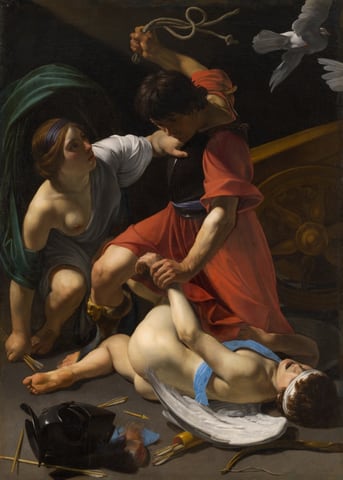
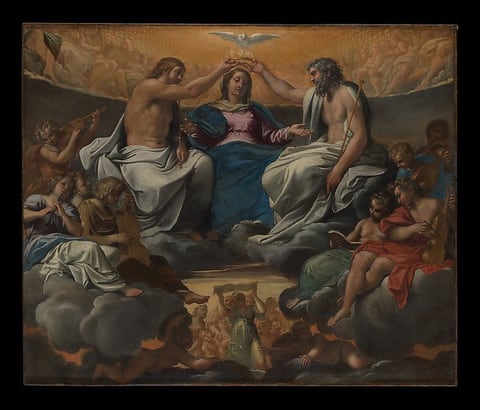
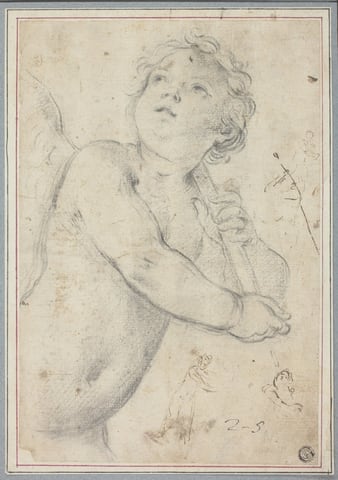
Cupid ChastisedBartolomeo Manfredi, 1613Courtesy of the Art Institute of Chicago The Coronation of the VirginAnnibale Carracci, after 1595Courtesy of The Metropolitan Museum of Art Putto Holding StaffGuido Reni, n.d.Courtesy of the Art Institute of Chicago
Their contemporaries
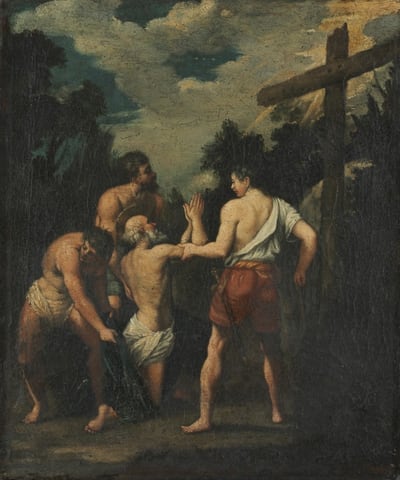
Martyrdom of Saint AndrewGuido Reni, 1600sCourtesy of the Cleveland Museum of Art Saint John the Baptist Bearing WitnessAnnibale Carracci, ca. 1600Courtesy of The Metropolitan Museum of Art DanaëOrazio Gentileschi, c. 1623Courtesy of the Cleveland Museum of Art
Their contemporaries, second
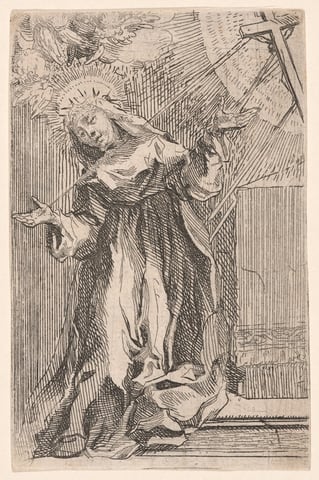
Saint Catherine of Siena Receiving the StigmataFrancesco Vanni, c. 1595Courtesy of the Art Institute of Chicago 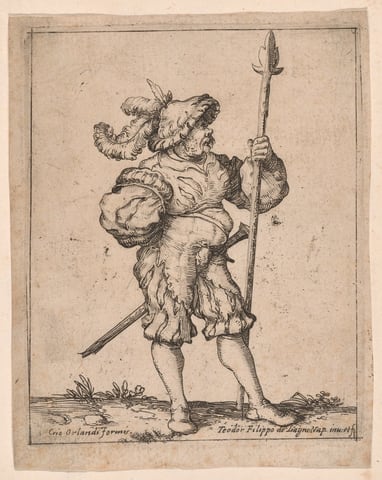
Soldier in Profile Holding a Pike, from Capricci e habiti militariFilippo Napoletano, 1610/29Courtesy of the Art Institute of Chicago