Floor plan

Style galleriesEarly modernism

Early modernism

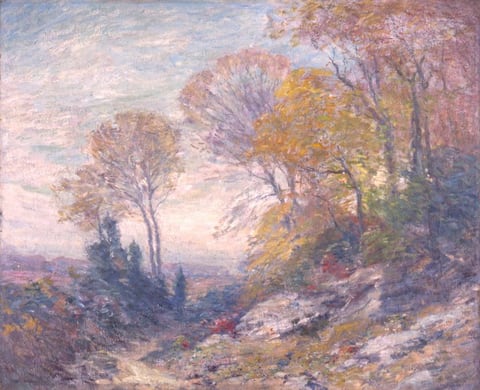
October Morning, by Frank A. Bicknell, ca. 1910
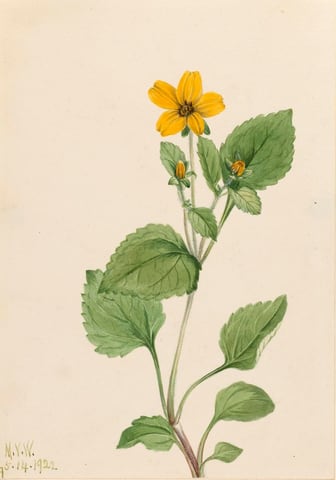
Golden Star (Chrysogonum virginianum), by Mary Vaux Walcott, 1922
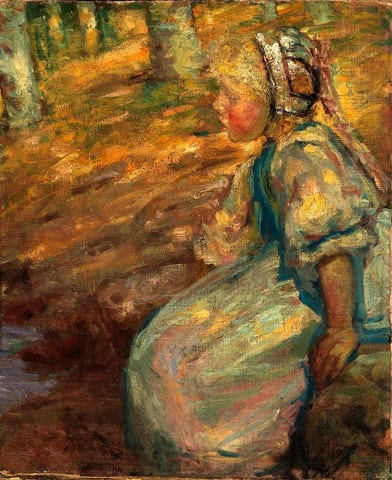
Peasant Girl, by Alice Pike Barney, 1900
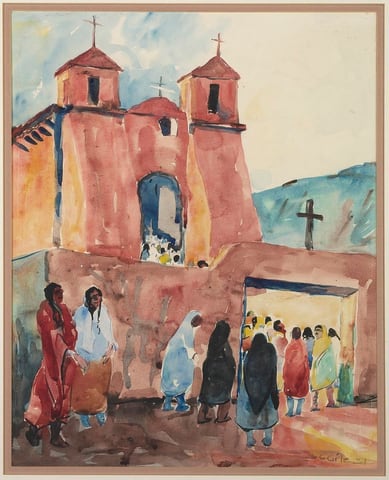
Church, Rancho de Taos, by Selden Connor Gile, 1931
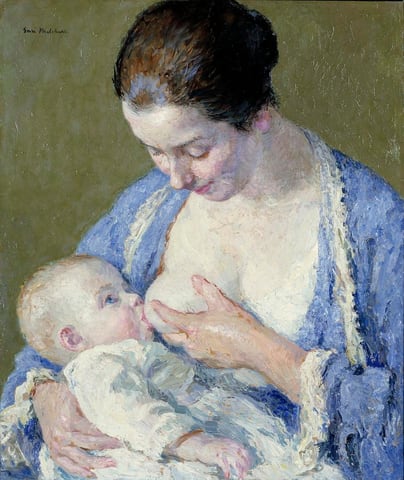
Mother and Child, by Gari Melchers, ca. 1920
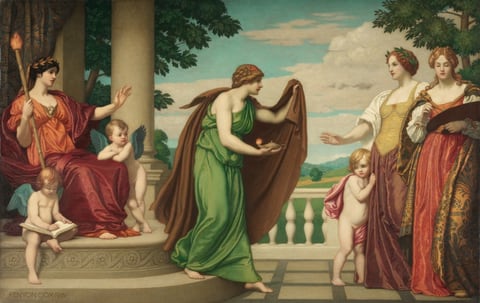
Tradition, by Kenyon Cox, 1916
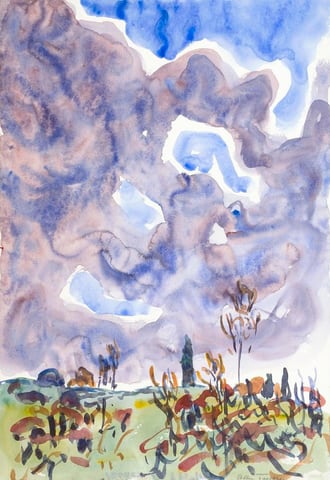
Watercolor no. 31, Landscape with Clouds, by Allen Tucker, ca. 1930

The works in this room are listed below.

Works in this room

The first decades of the twentieth century, when artists broke with the academy.

First room, north wall

  1. October Morning, by Frank A. Bicknell, ca. 1910
    October MorningFrank A. Bicknell, ca. 1910Courtesy of the Smithsonian American Art Museum
  2. Golden Star (Chrysogonum virginianum), by Mary Vaux Walcott, 1922
    Golden Star (Chrysogonum virginianum)Mary Vaux Walcott, 1922Courtesy of the Smithsonian American Art Museum
  3. Peasant Girl, by Alice Pike Barney, 1900
    Peasant GirlAlice Pike Barney, 1900Courtesy of the Smithsonian American Art Museum
  4. Church, Rancho de Taos, by Selden Connor Gile, 1931
    Church, Rancho de TaosSelden Connor Gile, 1931Courtesy of the Smithsonian American Art Museum

First room, south wall

  1. Mother and Child, by Gari Melchers, ca. 1920
    Mother and ChildGari Melchers, ca. 1920Courtesy of the Smithsonian American Art Museum
  2. Tradition, by Kenyon Cox, 1916
    TraditionKenyon Cox, 1916Courtesy of the Cleveland Museum of Art
  3. Watercolor no. 31, Landscape with Clouds, by Allen Tucker, ca. 1930
    Watercolor no. 31, Landscape with CloudsAllen Tucker, ca. 1930Courtesy of the Smithsonian American Art Museum

Second room, south wall
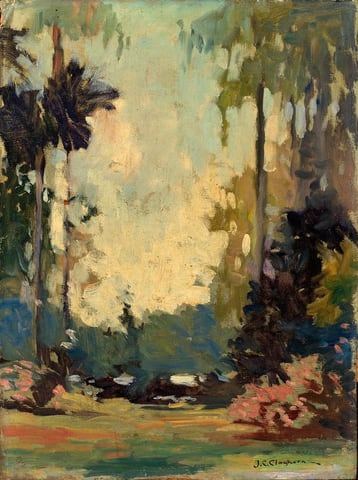
  1. A Florida Park, by Joseph C. Claghorn, before 1935
    A Florida ParkJoseph C. Claghorn, before 1935Courtesy of the Smithsonian American Art Museum
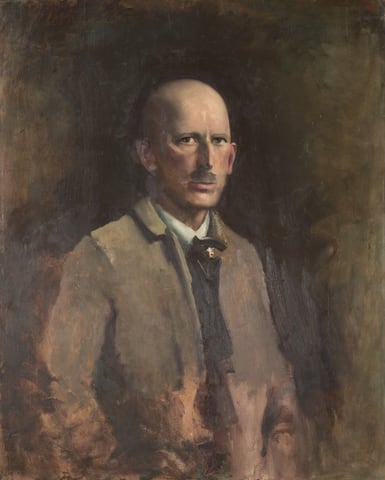
  2. Self-Portrait, by Abbott Handerson Thayer, 1920
    Self-PortraitAbbott Handerson Thayer, 1920Courtesy of the Cleveland Museum of Art
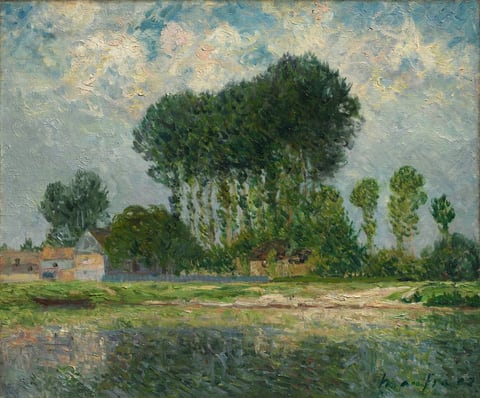
  3. The River, by Maxime Maufra, 1902
    The RiverMaxime Maufra, 1902Courtesy of the Cleveland Museum of Art
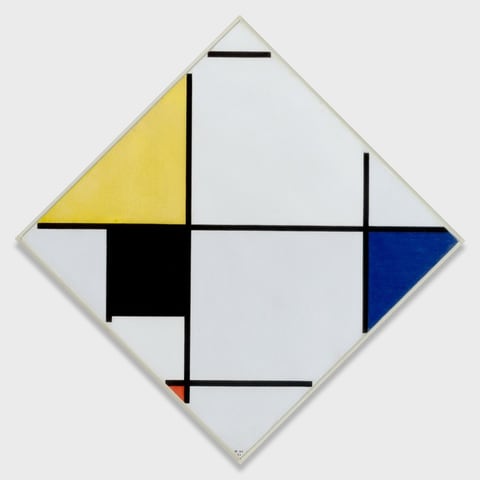
  4. A square white tile, rotated 90 degrees, crossed by black lines intersecting at 90-degree angles. A few of the shapes thus formed—some partial squares, some rectangles—are colored in a single shade of yellow, blue, black, or red.
    Lozenge Composition with Yellow, Black, Blue, Red, and GrayPiet Mondrian, 1921Courtesy of the Art Institute of Chicago

Second room, north wall
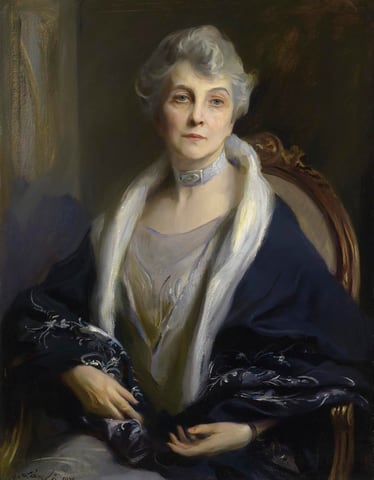
  1. Artist: Philip Alexius de László, Sitter: Clara Margaret Cook Kellogg, Current owner: National Portrait Gallery, Smithsonian Institution
    Clara Cook KelloggPhilip Alexius de László, 1929Courtesy of the National Portrait Gallery, Smithsonian Institution
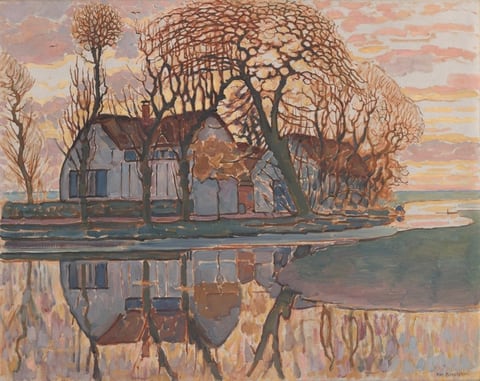
  2. A work made of oil on canvas.
    Farm near DuivendrechtPiet Mondrian, c. 1916Courtesy of the Art Institute of Chicago
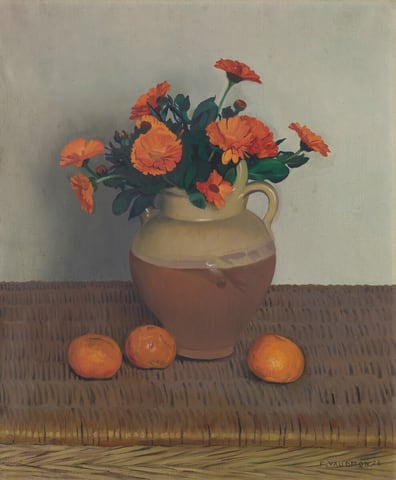
  3. This painting shows a large jug filled with orange flowers on a woven brown surface, with three small oranges placed in front of it. The bottom half of the jug is a brownish-red color, while the top part and handles are a light tan. The jug is centered, with flowers extending slightly to the sides. The flowers in the vase are surrounded by dark green leaves and buds. The wall behind the vase is a light gray color, and the vase casts a light shadow on it.
    Marigolds and TangerinesFélix Vallotton, 1924Courtesy National Gallery of Art, Washington

Third room, north wall
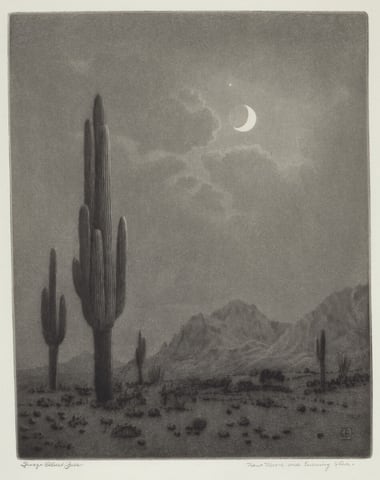
  1. This print depicts a grayscale desert landscape with a prominent saguaro cactus to the left. In the background, rocky mountains are visible in the darkness. The sky shows a crescent moon and a bright star through an opening in the soft gray clouds. Sparse desert vegetation is faintly visible on the ground, and more cacti can be seen in the distance.
    New Moon and Evening StarGeorge Elbert Burr, c. 1932Courtesy National Gallery of Art, Washington
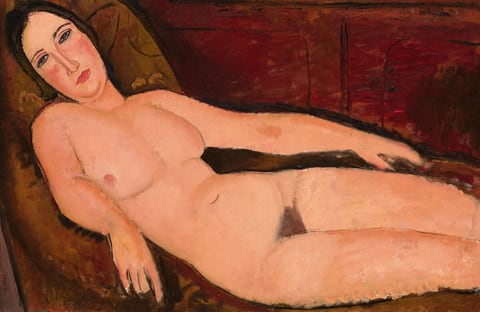
  2. A nude woman lying across a brown divan in front of a russet-red wall is loosely painted with areas of mottled color in this horizontal composition. The woman fills the wide canvas so her head is angled into the upper left corner, and her legs extend off the right edge of the composition below the knees. Her long, oval face rests back against the couch, and she looks at us with slitted, almond-shaped eyes under dark, shallowly arched brows. She has a long, straight nose, flushed cheeks, a double chin, and her pink lips are closed. Her breasts fall to each side so we only see the pink nipple closer to us. She has a rounded belly and a triangle of brown hair at her groin. Her arms rest alongside her body. The couch has a low, upholstered arms sweeping down the sides. Black lines in the red wall behind the couch suggest molding or cabinetry. The artist signed the painting in the upper right corner, “modigliani.”
    Nude on a DivanAmedeo Modigliani, 1918Courtesy National Gallery of Art, Washington