Floor plan

Time and placeThe 19th century

The 19th century

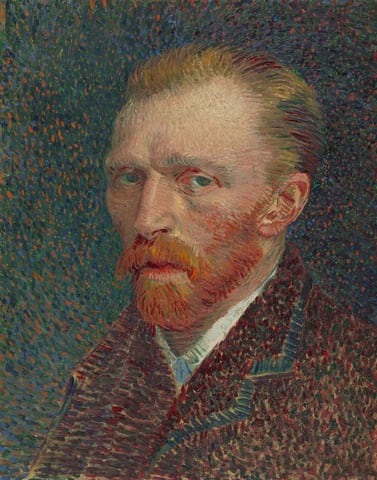
Painting of a red-haired, bearded man with light skin, painted in short brushstrokes and multicolored dots. The background is likewise a mass of small, closely spaced colored dots, these in green, blue, and red-orange.
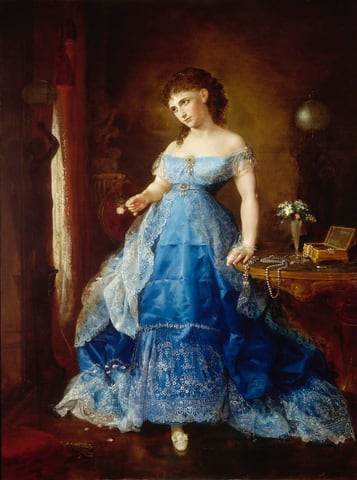
We Both Must Fade (Mrs. Fithian), by Lilly Martin Spencer, 1869
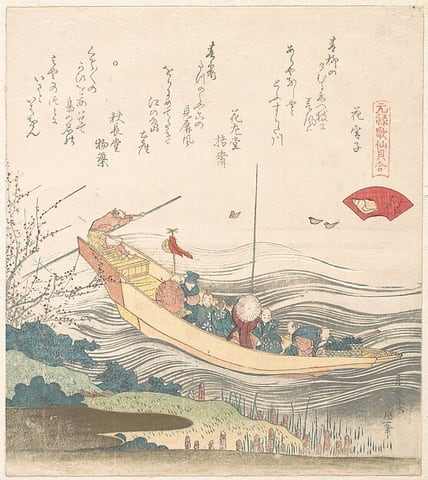
Miyako Shell, by Katsushika Hokusai, probably 1821
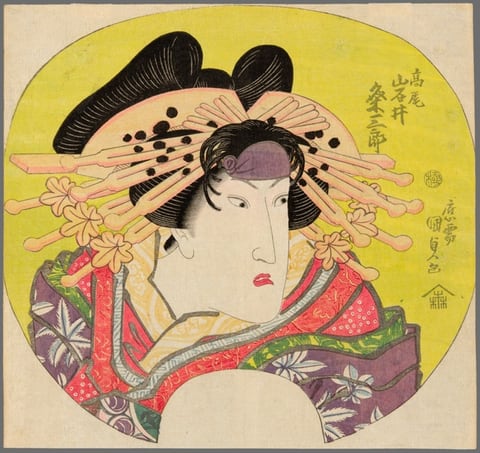
A work made of color woodblock print; uchiwa-e.
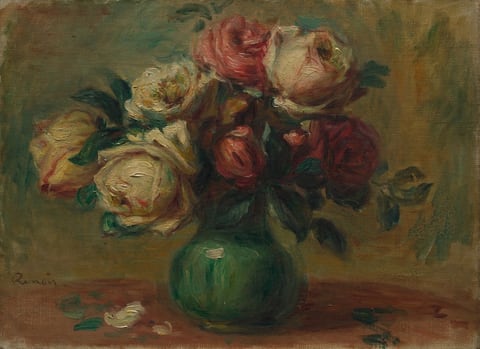
Roses in a Vase, by Pierre-Auguste Renoir, c. 1890
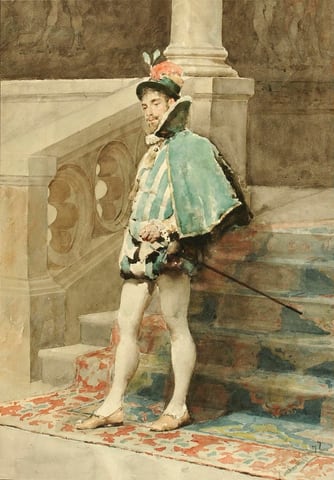
Study of a Courtier, by Carlo Randanini, 1877
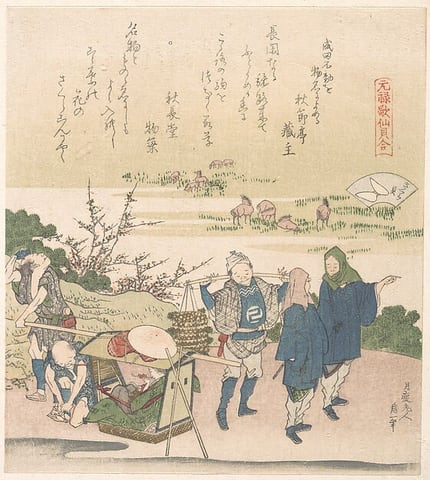
Cherry Shell, from the series Genroku Poetry Shell Games, by Katsushika Hokusai, probably 1821
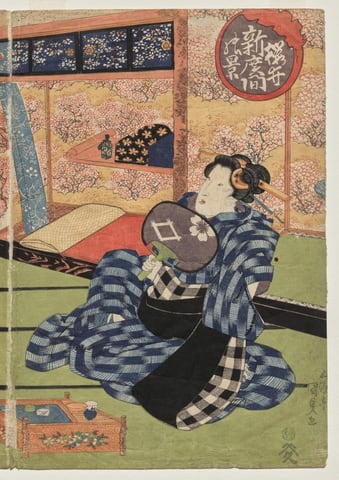
A View of the Large New Room at Sakurai, by Utagawa Kunisada, early or mid 1830s

The works in this room are listed below.

Works in this room

Works made in the 19th century, anywhere in the world.

Section 1, north wall

  1. Painting of a red-haired, bearded man with light skin, painted in short brushstrokes and multicolored dots. The background is likewise a mass of small, closely spaced colored dots, these in green, blue, and red-orange.
    Self-PortraitVincent van Gogh, 1887Courtesy of the Art Institute of Chicago
  2. We Both Must Fade (Mrs. Fithian), by Lilly Martin Spencer, 1869
    We Both Must Fade (Mrs. Fithian)Lilly Martin Spencer, 1869Courtesy of the Smithsonian American Art Museum
  3. Miyako Shell, by Katsushika Hokusai, probably 1821
    Miyako ShellKatsushika Hokusai, probably 1821Courtesy of The Metropolitan Museum of Art
  4. A work made of color woodblock print; uchiwa-e.
    Iwai Kumesaburo II as the Courtesan Takao in Banzei Okuni KabukiUtagawa Kunisada, c. 1827Courtesy of the Art Institute of Chicago

Section 1, south wall

  1. Roses in a Vase, by Pierre-Auguste Renoir, c. 1890
    Roses in a VasePierre-Auguste Renoir, c. 1890Courtesy of the Cleveland Museum of Art
  2. Study of a Courtier, by Carlo Randanini, 1877
    Study of a CourtierCarlo Randanini, 1877Courtesy of the Smithsonian American Art Museum
  3. Cherry Shell, from the series Genroku Poetry Shell Games, by Katsushika Hokusai, probably 1821
    Cherry Shell, from the series Genroku Poetry Shell GamesKatsushika Hokusai, probably 1821Courtesy of The Metropolitan Museum of Art
  4. A View of the Large New Room at Sakurai, by Utagawa Kunisada, early or mid 1830s
    A View of the Large New Room at SakuraiUtagawa Kunisada, early or mid 1830sCourtesy of the Cleveland Museum of Art

Section 2, south wall
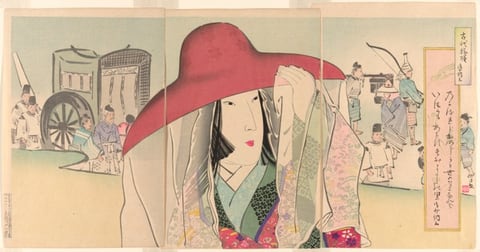
  1. A work made of color woodblock print, oban triptych.
    Sei Shonagon, from the series Ancient Patterns (Kodai moyo)Kobayashi Kiyochika, Meiji period (1896–1912), 1896Courtesy of the Art Institute of Chicago
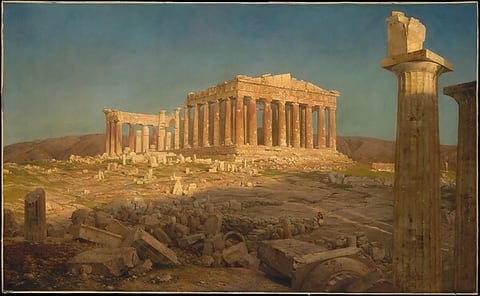
  2. The Parthenon, by Frederic Edwin Church, 1871
    The ParthenonFrederic Edwin Church, 1871Courtesy of The Metropolitan Museum of Art
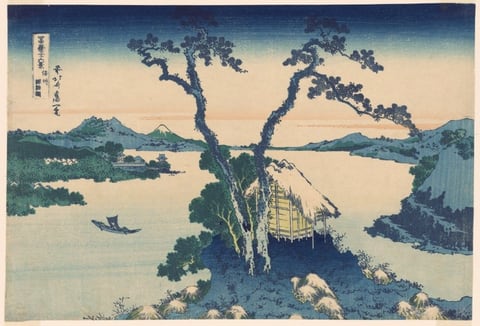
  3. A work made of color woodblock print; oban.
    Lake Suwa in Shinano Province (Shinshu Suwako), from the series "Thirty-six Views of Mount Fuji (Fugaku sanjurokkei)"Katsushika Hokusai, c. 1830/33Courtesy of the Art Institute of Chicago

Section 2, north wall
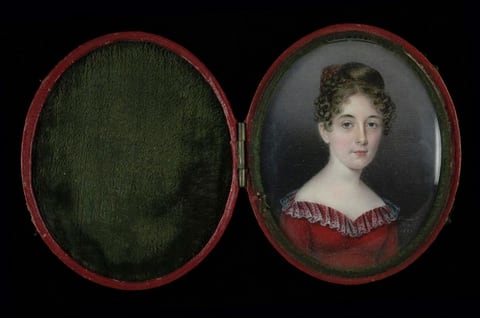
  1. Woman in a Red Dress, by Anna Claypoole Peale, 1821
    Woman in a Red DressAnna Claypoole Peale, 1821Courtesy of the Smithsonian American Art Museum
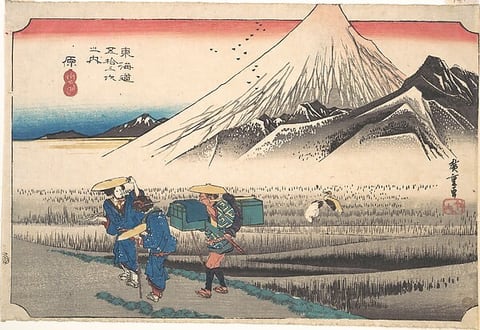
  2. Hara: Mount Fuji in the Morning (Hara, Asa no Fuji), from the series Fifty-Three Stations of the Tōkaidō Road (Tōkaidō gojūsan tsugi), also known as the First Tōkaidō or Great Tōkaidō, by Utagawa Hiroshige, ca. 1833–34
    Hara: Mount Fuji in the Morning (Hara, Asa no Fuji), from the series Fifty-Three Stations of the Tōkaidō Road (Tōkaidō gojūsan tsugi), also known as the First Tōkaidō or Great TōkaidōUtagawa Hiroshige, ca. 1833–34Courtesy of The Metropolitan Museum of Art
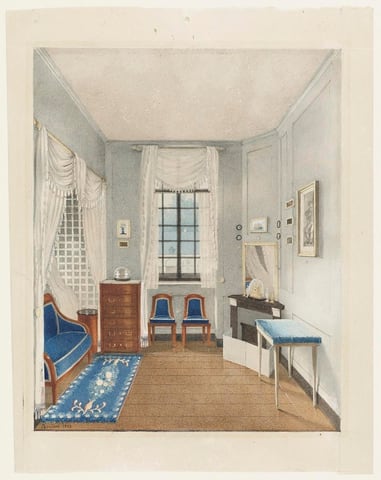
  3. A FRENCH RESTORATION BEDROOM
    A French Restoration BedroomBouilhet, French, 1823Courtesy of Cooper Hewitt, Smithsonian Design Museum

Section 3, north wall
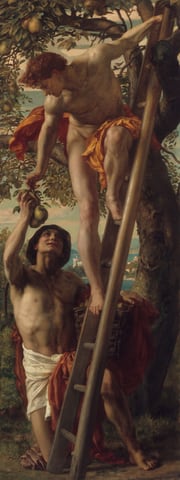
  1. A work made of oil on canvas.
    The Golden AgeSir John Edward Poynter, 1875Courtesy of the Art Institute of Chicago
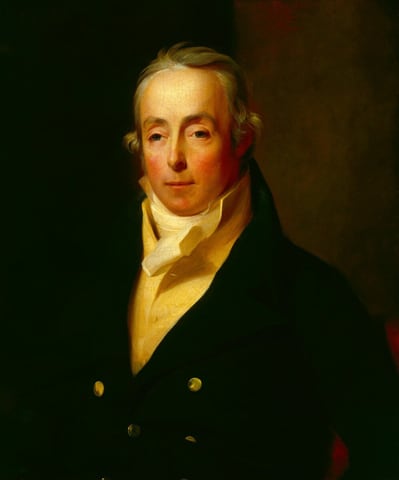
  2. This painting is a portrait of a man from the waist up. He is facing us, with pale skin, thin lips, rosy cheeks, light green eyes, and gray hair styled into curls around his ears. He has a neutral expression. The man is wearing a dark coat with gold buttons on the front, with a pale-yellow shirt underneath and a white cravat around his neck. The background is a dark and indistinct brown color.
    Abraham KintzingThomas Sully, 1815Courtesy National Gallery of Art, Washington