Floor plan

Time and placeThe 16th century

The 16th century

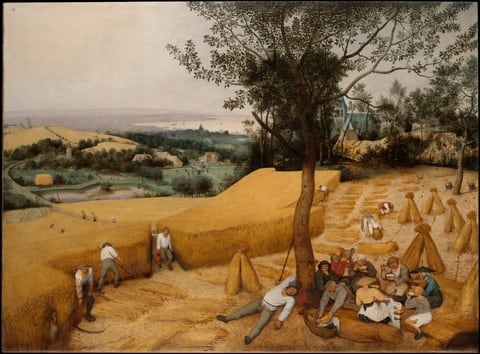
The Harvesters, by Pieter Bruegel, 1565
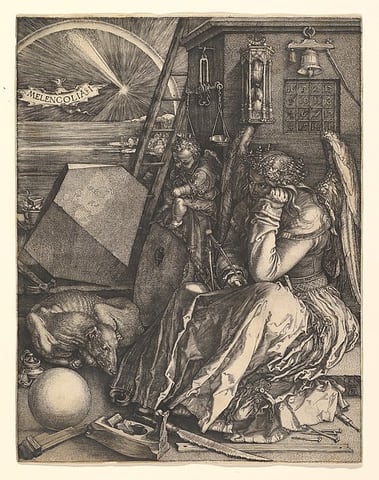
Melencolia I, by Albrecht Dürer, 1514
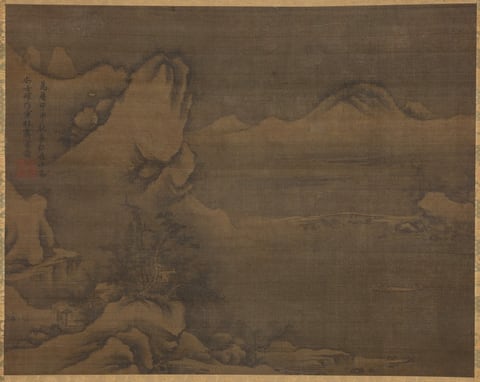
Snowscape with Figures, by Kim Si, 1584
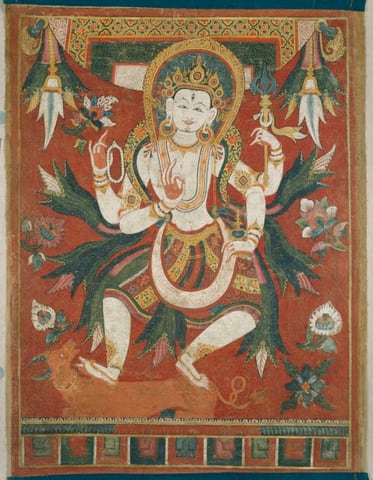
A work made of pigment and gold on cotton.
A work made of engraving in black on cream laid paper.
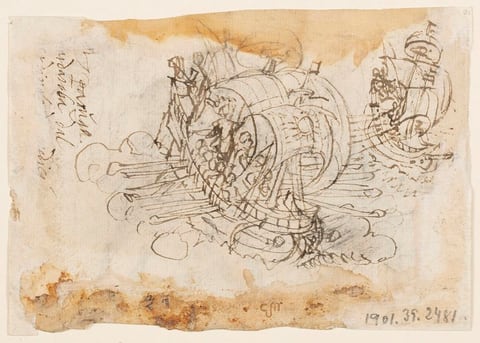
TWO GALLEYS AT SEA
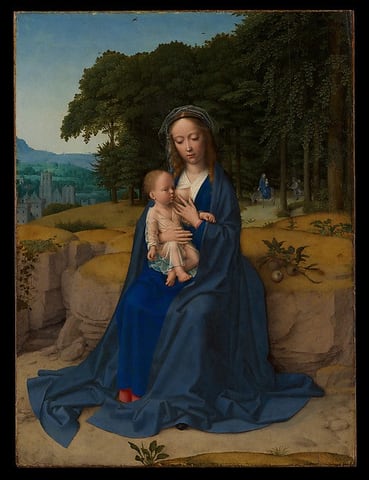
The Rest on the Flight into Egypt, by Gerard David, ca. 1512–15

The works in this room are listed below.

Works in this room

Works made in the 16th century, anywhere in the world.

First room, north wall

  1. The Harvesters, by Pieter Bruegel, 1565
    The HarvestersPieter Bruegel, 1565Courtesy of The Metropolitan Museum of Art
  2. Melencolia I, by Albrecht Dürer, 1514
    Melencolia IAlbrecht Dürer, 1514Courtesy of The Metropolitan Museum of Art
  3. Snowscape with Figures, by Kim Si, 1584
    Snowscape with FiguresKim Si, 1584Courtesy of the Cleveland Museum of Art

First room, south wall

  1. A work made of pigment and gold on cotton.
    Double-Sided Painted Banner (Paubha) with God ShivaUnrecorded Himalayan maker, 16th-17th centuryCourtesy of the Art Institute of Chicago
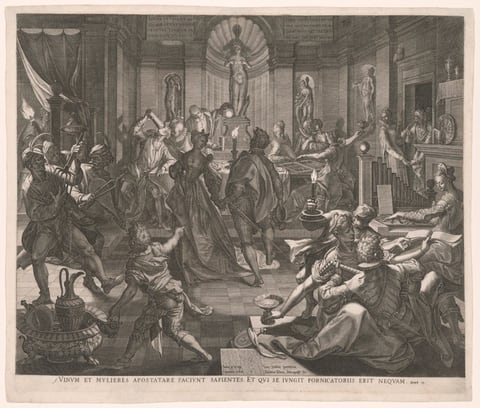
  2. A work made of engraving in black on cream laid paper.
    The Carnival (or the Prodigal Son)Jan Sadeler, I, 1588Courtesy of the Art Institute of Chicago
  3. TWO GALLEYS AT SEA
    Two Galleys at SeaJan van der Straet, called Stradanus, ca. 1587 – 1590Courtesy of Cooper Hewitt, Smithsonian Design Museum
  4. The Rest on the Flight into Egypt, by Gerard David, ca. 1512–15
    The Rest on the Flight into EgyptGerard David, ca. 1512–15Courtesy of The Metropolitan Museum of Art

Second room, south wall
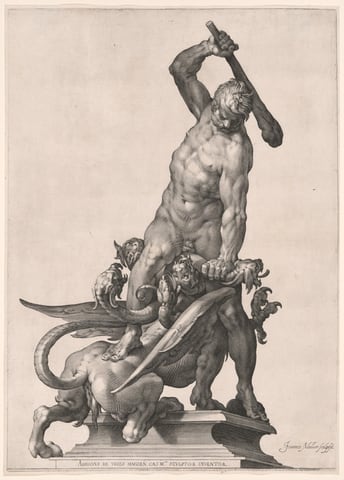
  1. A work made of engraving on ivory laid paper.
    Hercules Slaying the HydraJan Harmensz. Muller, c. 1602Courtesy of the Art Institute of Chicago
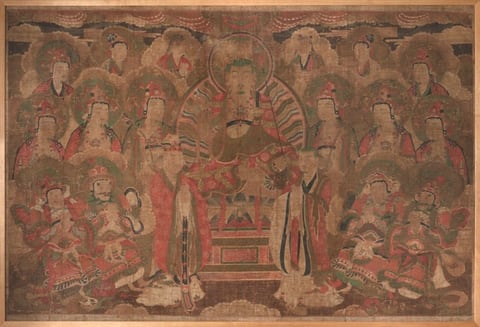
  2. A work made of ink and color on hemp cloth.
    Ksitigarbha Bodhisattva with AssemblyUnrecorded Korean maker, late 16th/early 17th centuryCourtesy of the Art Institute of Chicago
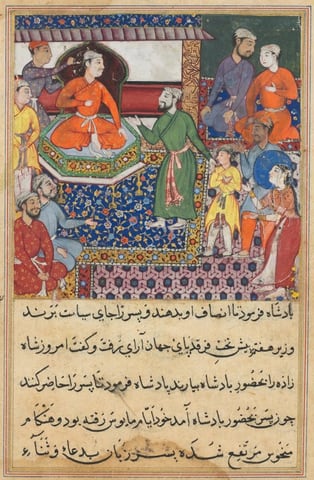
  3. The handmaiden again pleads for the death of the prince, from a Tuti-nama (Tales of a Parrot): Eighth Night, by Lalu, c. 1560
    The handmaiden again pleads for the death of the prince, from a Tuti-nama (Tales of a Parrot): Eighth NightLalu, c. 1560Courtesy of the Cleveland Museum of Art

Second room, north wall
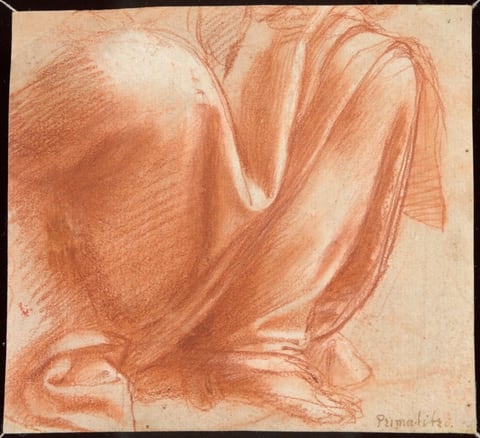
  1. A work made of red chalk and brush and red chalk wash (recto) and black chalk, with black chalk grid lines, (verso) on cream laid paper.
    A Drapery Study for the Knees of a Seated Allegorical Figure of Charity (recto); Bust of a Naked Allegorical Figure of Charity with Two Putti (verso)Giovanni Antonio di Francesco Sogliani, 1520/30Courtesy of the Art Institute of Chicago
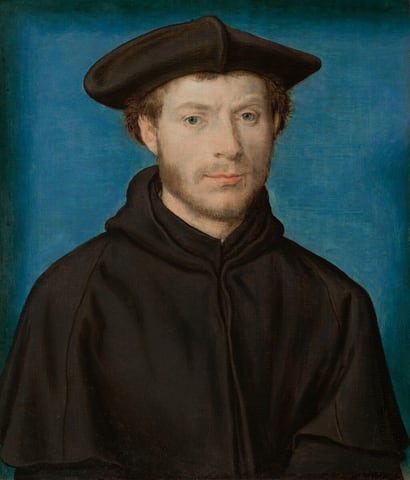
  2. This painting shows a man from the waist up. He is facing forward and gazes out at us. He has fair skin, light brown hair, a thin mustache and beard, and light green eyes. His expression is mostly neutral, although his peach lips are slightly turned up at the edges. He is wearing a black garment with a high collar and a hood and a black flat cap on his head. The background is plain blue, fading to black around the edges of the painting.
    Portrait of a ManCorneille de Lyon, c. 1536/1540Courtesy National Gallery of Art, Washington
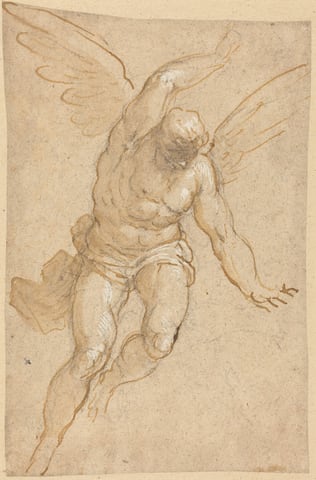
  3. The image shows a human figure with wings positioned as though in flight. The figure is captured from a slightly frontal perspective, with the head turned downwards and the right arm outstretched. The facial features are undefined, focusing more on the body's muscular structure. The figure wears a cloth or drapery around the waist and has well-defined muscles on the chest, arms, and legs. Large wings extend out behind the figure, adding to the sense of flight. The background is plain with a light texture.
    A Flying AngelJacopo Palma il Giovane, 1580/1590Courtesy National Gallery of Art, Washington
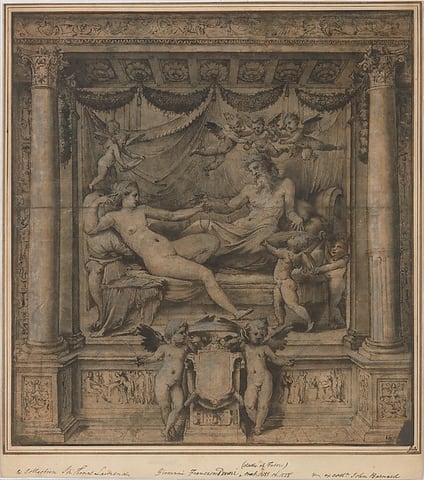
  4. Jupiter and Juno: Study for the "Furti di Giove" Tapestries, by Perino del Vaga (Pietro Buonaccorsi), ca. 1532–35
    Jupiter and Juno: Study for the "Furti di Giove" TapestriesPerino del Vaga (Pietro Buonaccorsi), ca. 1532–35Courtesy of The Metropolitan Museum of Art

Third room, north wall
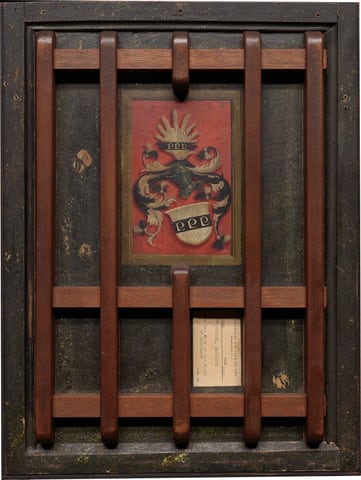
  1. The image shows a pattern of vertical and horizontal wooden bars forming a grid-like design. In the center, there is a rectangular panel with a decorative emblem against a red background. The emblem features swirling shapes. The structured wooden grid and ornate emblem suggest a vintage heraldic shield or coat of arms.
    Margarethe Vöhlin [reverse]Bernhard Strigel, 1527Courtesy National Gallery of Art, Washington
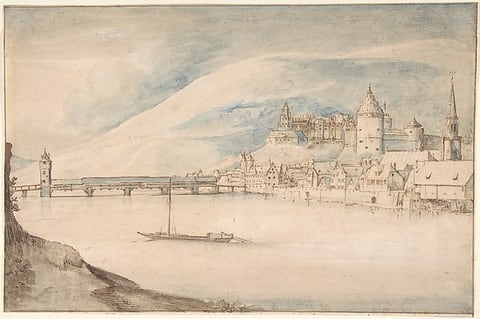
  2. View of Heidelberg, by Jan Brueghel the Elder, ca. 1588–89
    View of HeidelbergJan Brueghel the Elder, ca. 1588–89Courtesy of The Metropolitan Museum of Art