Floor plan

Artist galleriesChristoffer Wilhelm Eckersberg's contemporaries
Christoffer Wilhelm Eckersberg's contemporaries
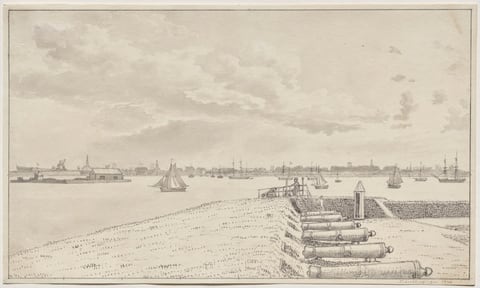
View from the Battery toward the City, by Christoffer Wilhelm Eckersberg, 1836
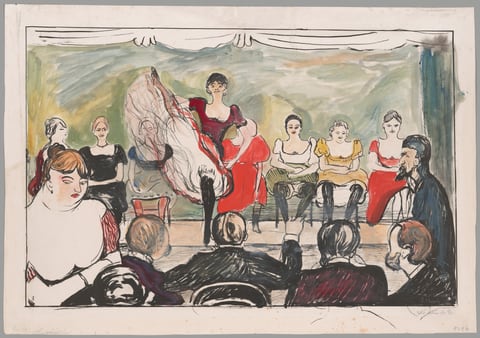
A work made of lithograph in black ink, with additions in brush and red, blue, yellow, green, orange-brown and gray watercolor on ivory wove paper.
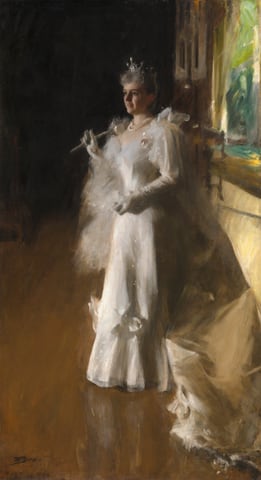
A work made of oil on canvas.
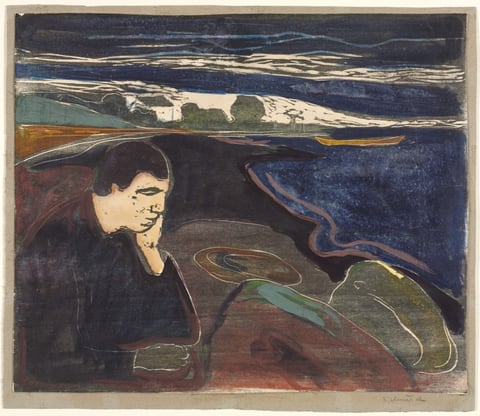
Evening, Melancholy I, by Edvard Munch, 1896
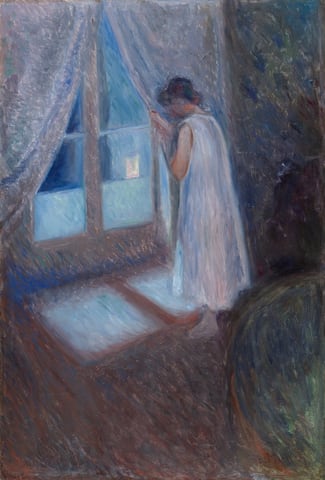
Loosely painted scene of a brown-haired girl in her nightgown standing in a dark room, gazing out a window into a brighter night, her face unseen and her hand drawing back the pale curtain. Light blues and pink whites dominate the girl and the window, while deep browns, blues, and greens color the darkened portions of her room.
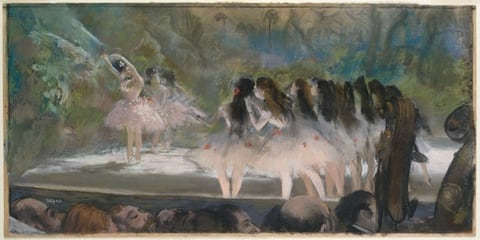
Color pastel drawing of ballerinas in tutus on stage, watched by audience.

The works in this room are listed below.

Works in this room

A few works by Christoffer Wilhelm Eckersberg, then their contemporaries: makers of the same nationality born within 25 years of them, then works from the same century and place.

With their contemporaries

  1. View from the Battery toward the City, by Christoffer Wilhelm Eckersberg, 1836
    View from the Battery toward the CityChristoffer Wilhelm Eckersberg, 1836Courtesy of the Cleveland Museum of Art
  2. A work made of lithograph in black ink, with additions in brush and red, blue, yellow, green, orange-brown and gray watercolor on ivory wove paper.
    TingletangleEdvard Munch, 1895Courtesy of the Art Institute of Chicago
  3. A work made of oil on canvas.
    Mrs. Potter PalmerAnders Zorn, 1893Courtesy of the Art Institute of Chicago
  4. Evening, Melancholy I, by Edvard Munch, 1896
    Evening, Melancholy IEdvard Munch, 1896Courtesy of the Cleveland Museum of Art

Their contemporaries

  1. Loosely painted scene of a brown-haired girl in her nightgown standing in a dark room, gazing out a window into a brighter night, her face unseen and her hand drawing back the pale curtain. Light blues and pink whites dominate the girl and the window, while deep browns, blues, and greens color the darkened portions of her room.
    The Girl by the WindowEdvard Munch, 1893Courtesy of the Art Institute of Chicago
  2. Color pastel drawing of ballerinas in tutus on stage, watched by audience.
    Ballet at the Paris OpéraEdgar Degas, 1877Courtesy of the Art Institute of Chicago

Their contemporaries, second
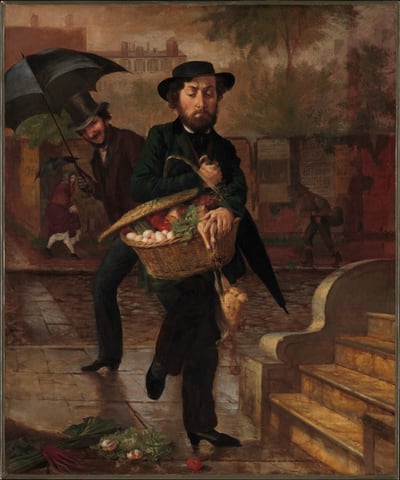
  1. Young Husband: First Marketing, by Lilly Martin Spencer, 1854
    Young Husband: First MarketingLilly Martin Spencer, 1854Courtesy of The Metropolitan Museum of Art
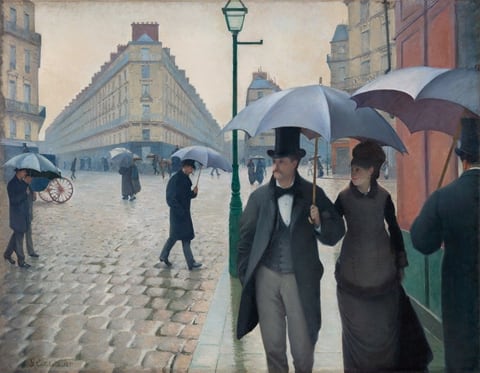
  2. Life-size painting of an urban scene in Paris. A man in a top hat holding an umbrella and a woman in a long fashionable dark dress walk arm in arm toward the viewer as other city dwellers with umbrellas walk in various directions across cobblestone roads and sidewalks.
    Paris Street; Rainy DayGustave Caillebotte, 1877Courtesy of the Art Institute of Chicago