The Floating World
Works in this room
Japanese woodblock prints of the floating world: actors, courtesans, landscapes and the sea.
Section 1, north wall
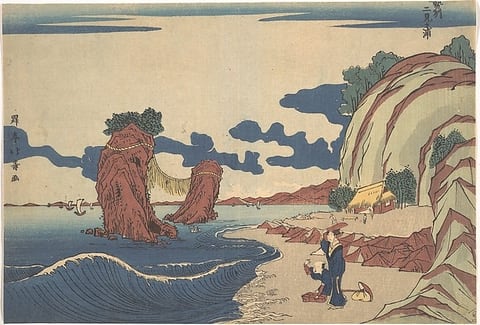
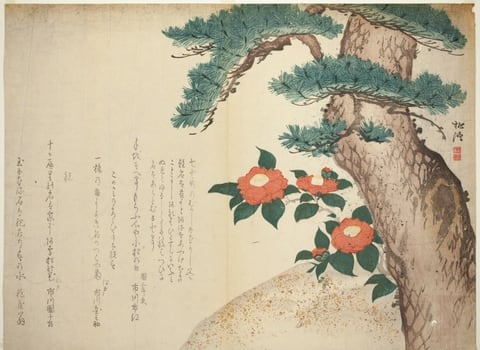
View of Futami Beach at IseShōtei Hokuju, ca. 1810–1820Courtesy of The Metropolitan Museum of Art A Pine Tree and CamelliasNiwa Tokei, 1840Courtesy of the Art Institute of Chicago
Section 1, south wall
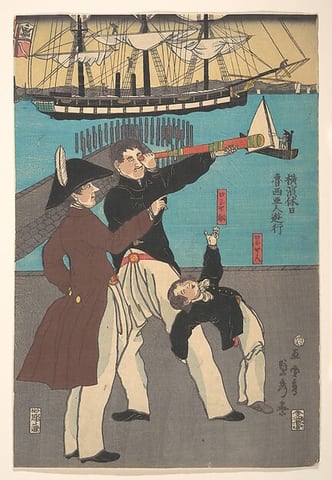
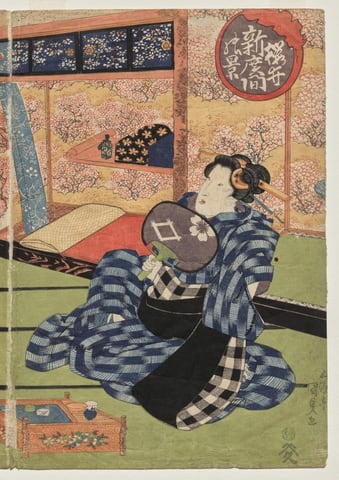
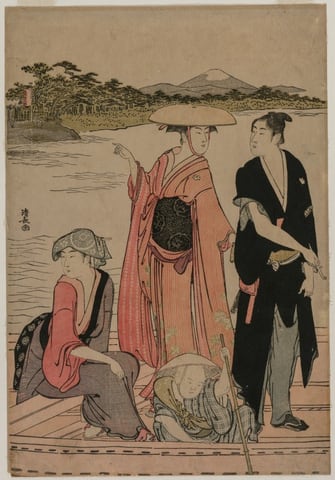
Russians Enjoying a Holiday in Yokohama (Yokohama kyūjitsu Roshiajin yūkō)Utagawa (Gountei) Sadahide, 1861Courtesy of The Metropolitan Museum of Art A View of the Large New Room at SakuraiUtagawa Kunisada, early or mid 1830sCourtesy of the Cleveland Museum of Art Passengers in a Ferry Boat on the Sumida RiverTorii Kiyonaga, 1784Courtesy of the Cleveland Museum of Art
Section 2, south wall
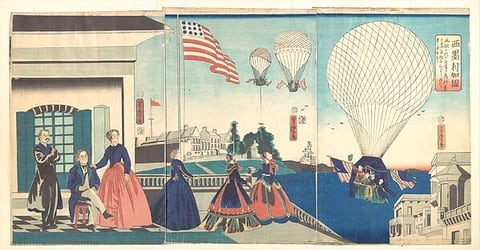
“America”: Enjoying Hot Air BalloonsUtagawa Yoshitora, 1867Courtesy of The Metropolitan Museum of Art 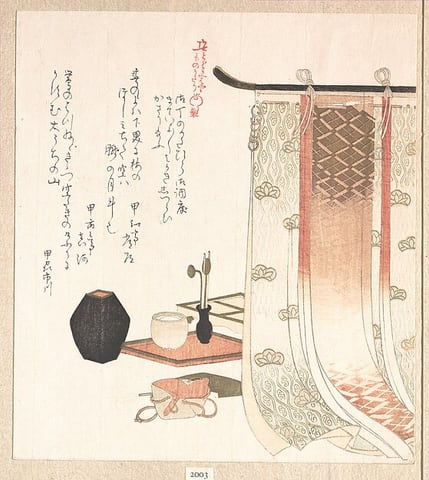
Screen and Utensils for the Incense CeremonyKubo Shunman, 19th centuryCourtesy of The Metropolitan Museum of Art
Section 2, north wall
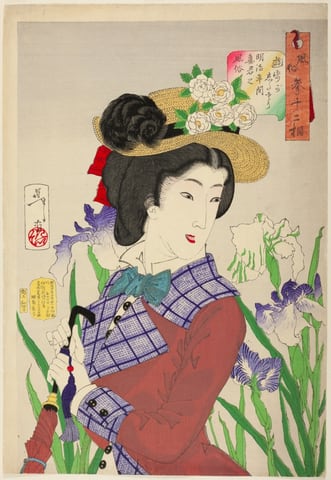
In The Mood for a Walk (Yuho ga shitaso), from the series "Thirty-two Aspects of Women (Fuzoku sanjuniso)"Tsukioka Yoshitoshi, 1888Courtesy of the Art Institute of Chicago 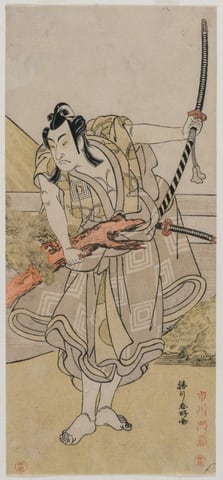
Ichikawa Monnosuke II as Soga no GorōKatsukawa Shunkō, 1779Courtesy of the Cleveland Museum of Art 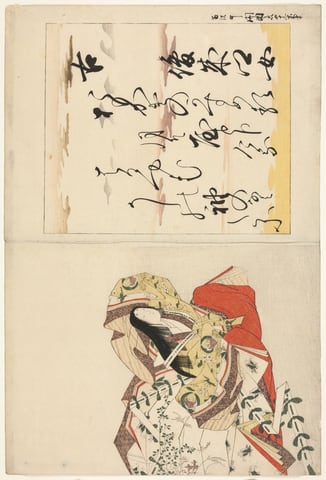
The Poetess Shunzei no Musume, from the series The Thirty-six Immortal Women Poets (Nishikizuri onna sanjurokkasen)Chôbunsai Eishi, Edo period (1615–1868), 1801Courtesy of the Art Institute of Chicago
Section 3, north wall
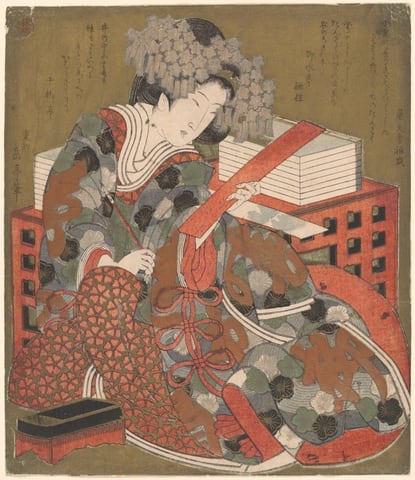
Woman About to Write a PoemYashima Gakutei, c. 1824Courtesy of the Art Institute of Chicago 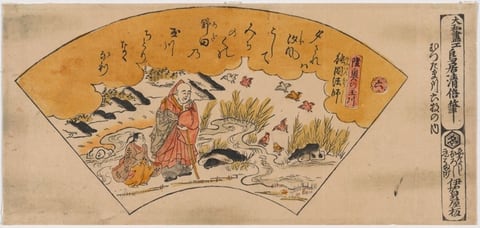
The Priest Kobo Daishi at the Tama River in Kii Province from the series The Six Tama RiversTorii Kiyomasu, c. 1725-1735Courtesy of the Art Institute of Chicago 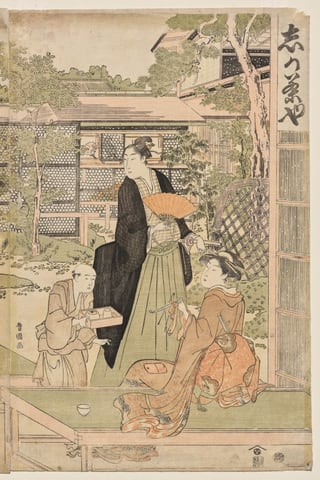
The Shika TeahouseUtagawa Toyokuni, early 1790sCourtesy of the Cleveland Museum of Art
Section 3, south wall
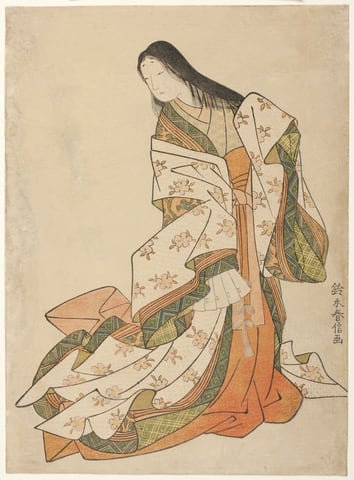
The Poetess Ono no KomachiSuzuki Harunobu, Edo period (1615–1868), 1767/68Courtesy of the Art Institute of Chicago 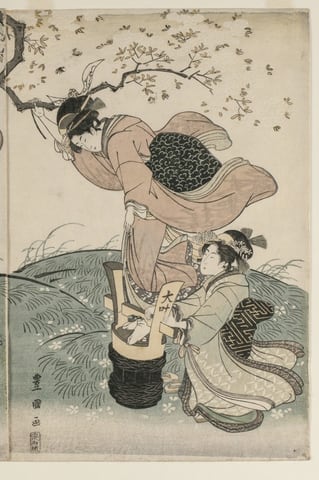
Cherry Blossoms in the WindUtagawa Toyokuni, late 1790sCourtesy of the Cleveland Museum of Art 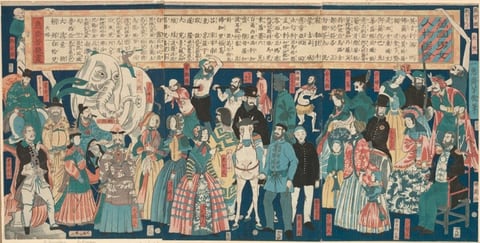
Picture of Men and Women from Many Countries (Bankoku danjo jinbutsu zue)Utagawa Yoshiiku, 1861Courtesy of the Art Institute of Chicago