Ukiyo-e
Works in this room
Japanese woodblock prints of the floating world: actors, courtesans, landscapes and the sea.
Section 1, north wall
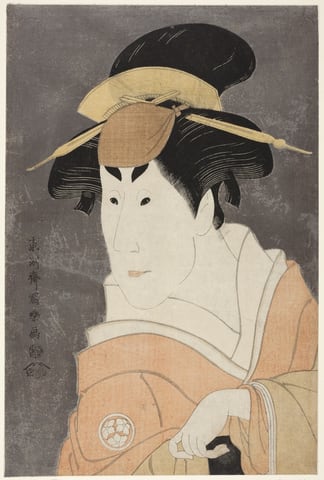
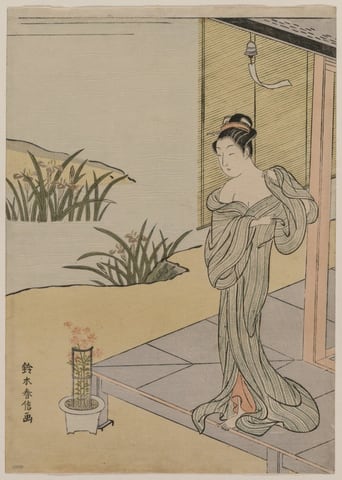
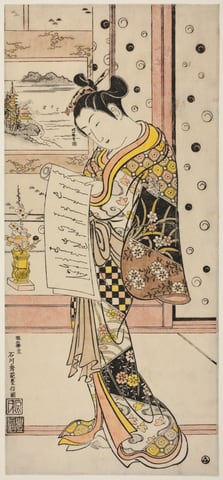
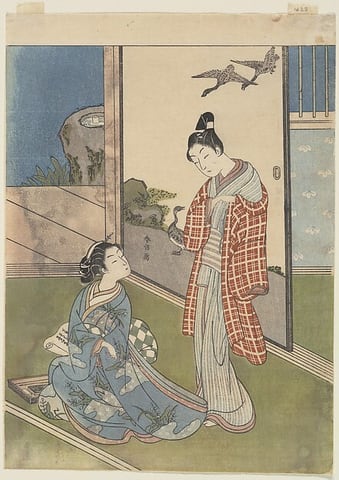
The actor Osagawa Tsuneyo II as Osan, Ippei’s elder sisterTōshūsai Sharaku, 1794Courtesy of the Art Institute of Chicago Young Woman Looking at a Pot of PinksSuzuki Harunobu, c. 1767Courtesy of the Cleveland Museum of Art Courtesan Reading a LetterIshikawa Toyonobu, c. 1745Courtesy of the Art Institute of Chicago
Section 1, south wall
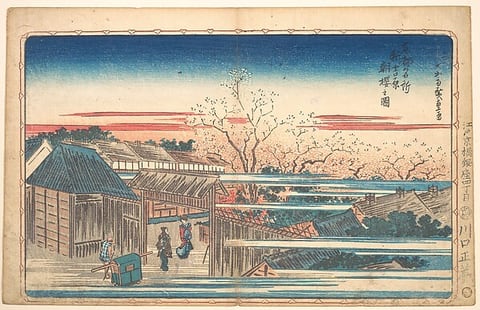
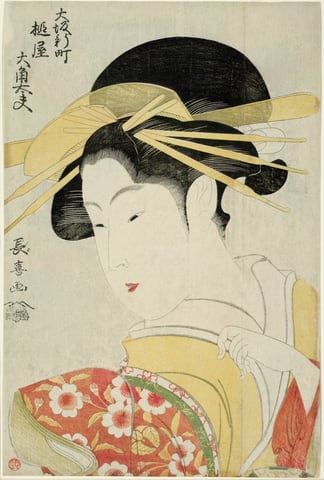
Morning Cherries at YoshiwaraUtagawa HiroshigeCourtesy of The Metropolitan Museum of Art Osumi, a Tayu of the Tsuchiya in the Shinmachi Quarter in OsakaEishosai Choki, c. 1796/97Courtesy of the Art Institute of Chicago A Girl Writing a LetterSuzuki Harunobu, 18th centuryCourtesy of The Metropolitan Museum of Art
Section 2, south wall
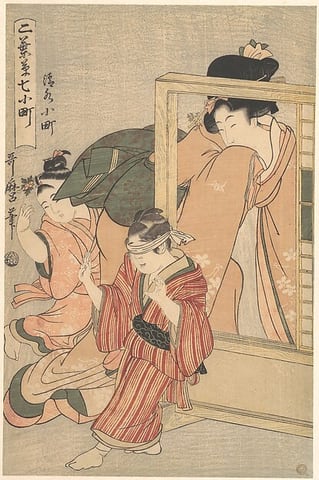
Kiyomizu Komachi, from the series Futabagusa nana KomachiKitagawa Utamaro, 1790sCourtesy of The Metropolitan Museum of Art 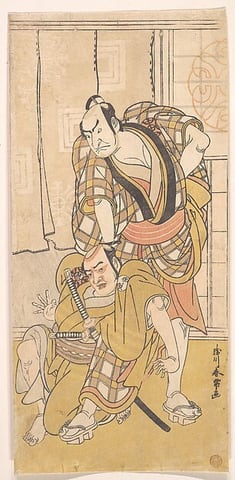
Scene from a PlayKatsukawa Shunjō, ca. 1780Courtesy of The Metropolitan Museum of Art 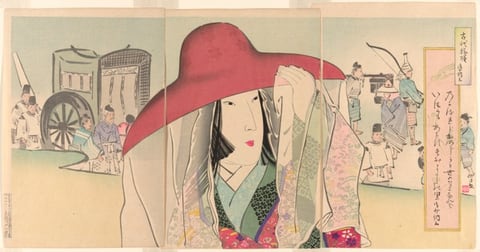
Sei Shonagon, from the series Ancient Patterns (Kodai moyo)Kobayashi Kiyochika, Meiji period (1896–1912), 1896Courtesy of the Art Institute of Chicago
Section 2, north wall
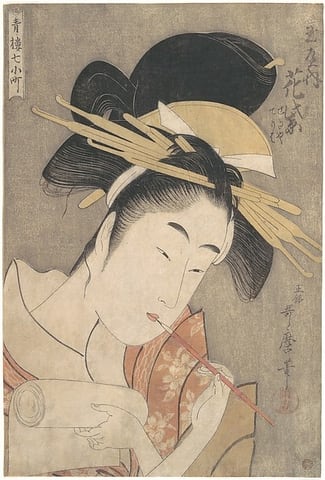
“Hanamurasaki of the Tamaya,” from the series Seven Komachi of the Pleasure Quarters (Seirō Nana Komachi)Kitagawa Utamaro, ca. 1790Courtesy of The Metropolitan Museum of Art 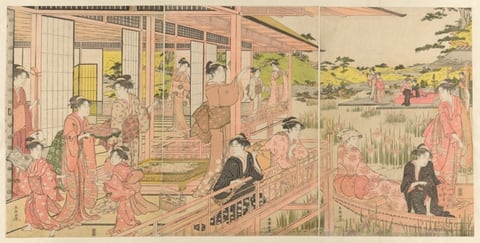
Iris GardenKatsukawa Shunchô, c. 1781/89Courtesy of the Art Institute of Chicago 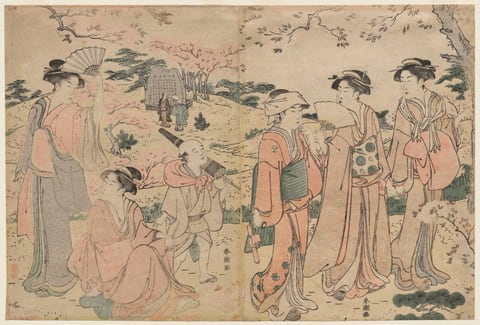
Women Viewing Cherry Blossoms at AsukayamaKatsukawa Shunchô, 1780sCourtesy of the Cleveland Museum of Art
Section 3, north wall
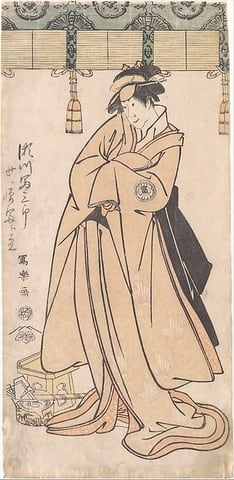
The Actor Segawa Tomisaburo II as the Otomos' Maid Wakakusa, Actually Prince KorehitoTōshūsai Sharaku, 1794–75Courtesy of The Metropolitan Museum of Art 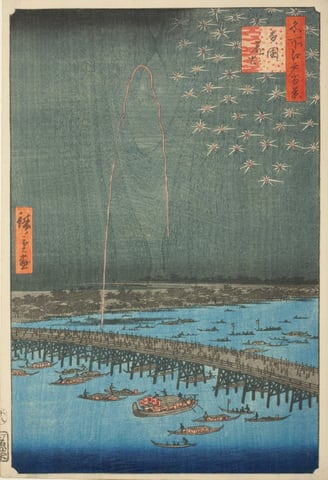
Fireworks at Ryōgoku (Ryōgoku hanabi), from the series One Hundred Famous Views of Edo (Meisho Edo hyakkei)Utagawa Hiroshige, 1858Courtesy of the Art Institute of Chicago
Section 3, south wall
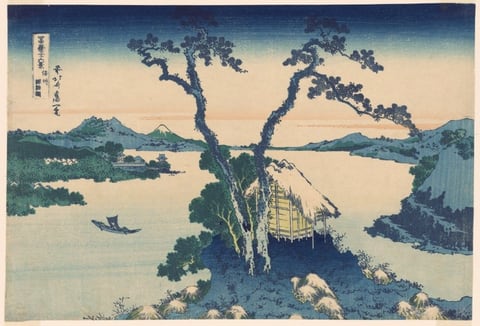
Lake Suwa in Shinano Province (Shinshu Suwako), from the series "Thirty-six Views of Mount Fuji (Fugaku sanjurokkei)"Katsushika Hokusai, c. 1830/33Courtesy of the Art Institute of Chicago 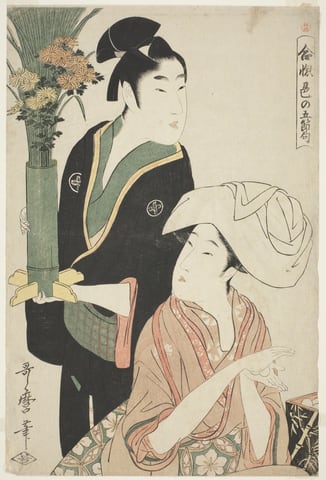
The Ninth Month, from the series Five Amorous Festivals of Love (Aibore iro no gosekku)Kitagawa Utamaro, 1801Courtesy of the Art Institute of Chicago