Ukiyo-e
Works in this room
Japanese woodblock prints of the floating world: actors, courtesans, landscapes and the sea.
Section 1, north wall
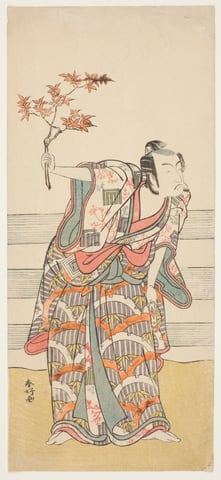
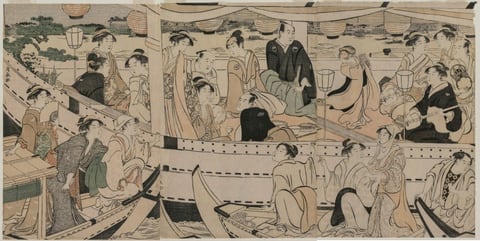
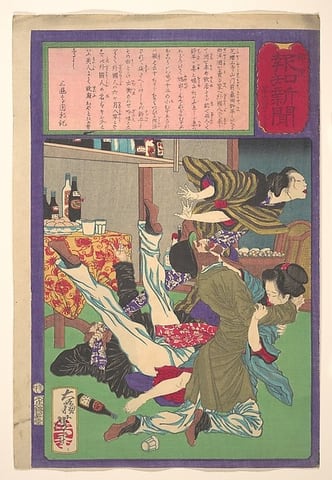
Actor Ichikawa Monnosuke II in an Unidentified RoleKatsukawa Shunkо̄, About 1785Courtesy of the Art Institute of Chicago Boating Party on the Sumida RiverTorii Kiyonaga, 1789Courtesy of the Cleveland Museum of Art Postal Hōchi Newspaper no. 645, Englishman raping a wine shopkeeper's daughter (Yūbin Hōchi shinbun, roppyaku yonjū gogō)Tsukioka Yoshitoshi, August, 1875Courtesy of The Metropolitan Museum of Art
Section 1, south wall
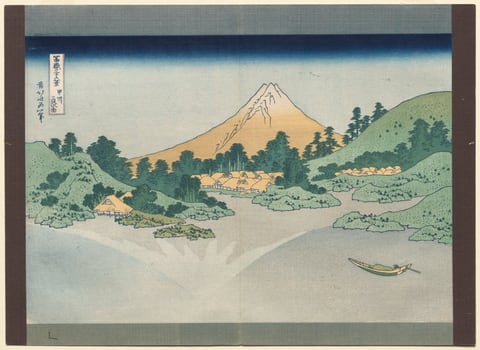
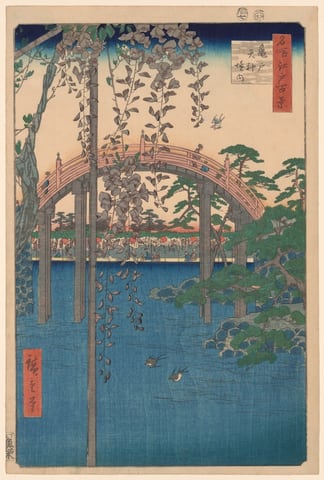
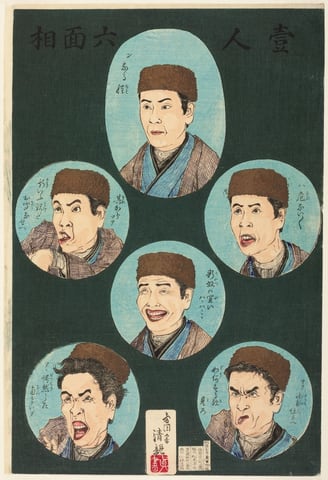
Thirty-Six Views of Mt. Fuji: The Surface of Lake Misaka in Kai ProvinceKatsushika Hokusai, early 1830sCourtesy of the Cleveland Museum of Art Precincts of Kameido Tenjin Shrine (Kameido Tenjin keidai), from the series "One Hundred Famous Views of Edo (Meisho Edo hyakkei)"Utagawa Hiroshige, 1856Courtesy of the Art Institute of Chicago One Person, Six Expressions (Hitori rokumenso)Kobayashi Kiyochika, 1884Courtesy of the Art Institute of Chicago
Section 2, south wall
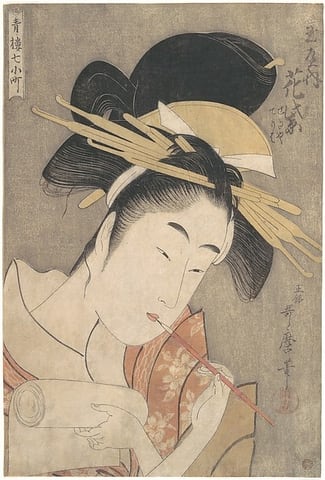
“Hanamurasaki of the Tamaya,” from the series Seven Komachi of the Pleasure Quarters (Seirō Nana Komachi)Kitagawa Utamaro, ca. 1790Courtesy of The Metropolitan Museum of Art 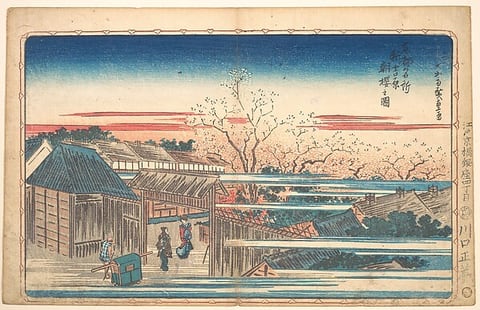
Morning Cherries at YoshiwaraUtagawa HiroshigeCourtesy of The Metropolitan Museum of Art
Section 2, north wall
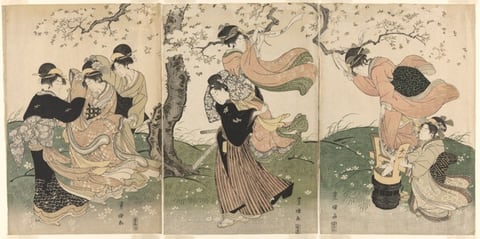
A Windy Day under the Cherry TreesUtagawa Toyokuni, c. 1797Courtesy of the Art Institute of Chicago 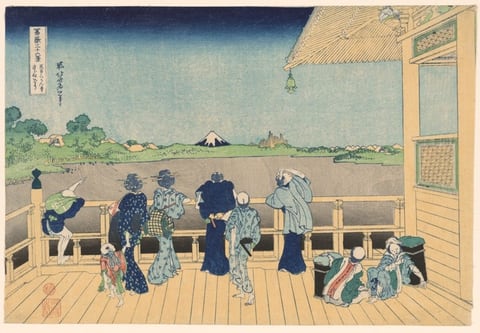
Sazai Hall at the Temple of the Five Hundred Arhats (Gohyakurakanji Sazaido), from the series "Thirty-six Views of Mount Fuji (Fugaku sanjurokkei)"Katsushika Hokusai, c. 1830/33Courtesy of the Art Institute of Chicago
Section 3, north wall
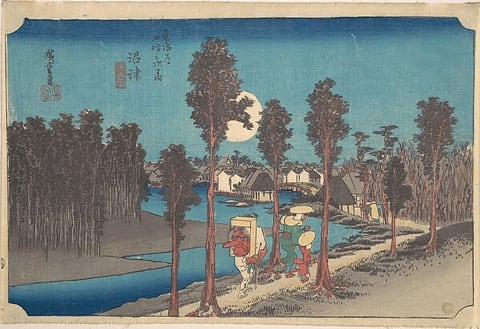
Numazu Ki KureUtagawa Hiroshige, ca. 1834Courtesy of The Metropolitan Museum of Art 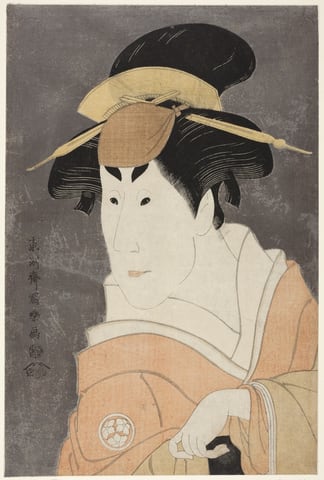
The actor Osagawa Tsuneyo II as Osan, Ippei’s elder sisterTōshūsai Sharaku, 1794Courtesy of the Art Institute of Chicago 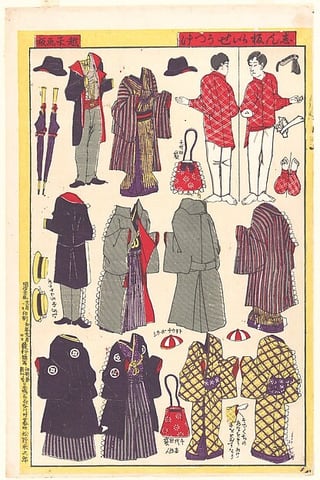
Paper Doll ClothingUnrecorded Japanese maker, 1897–98Courtesy of The Metropolitan Museum of Art
Section 3, south wall
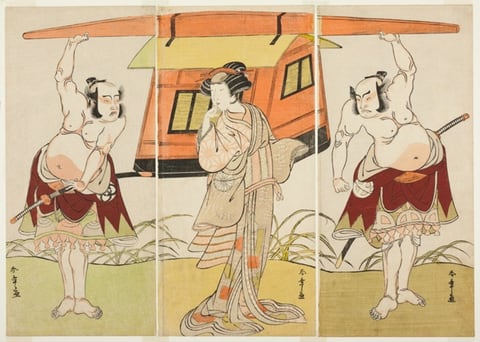
The Actors Otani Hiroji III as Yokambei (right), Nakamura Tomijuro I as Kuzunoha (center), and Bando Mitsugoro I as Yakambei (left), in the Last Scene from the Play Shinodazuma (The Wife from Shinoda Forest), Performed as a Supplement to the Play Kikyo-zome Onna Urakata (Female Diviner in Deep Violet), at the Morita Theater from the Ninth Day of the Ninth Month, 1776Katsukawa Shunshō, c. 1776Courtesy of the Art Institute of Chicago 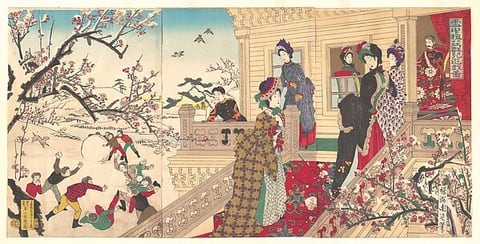
Children Playing in the Snow under Plum Trees in Bloom (Secchū baisō gunji yūgi zu)Yōshū (Hashimoto) Chikanobu, November 1887Courtesy of The Metropolitan Museum of Art 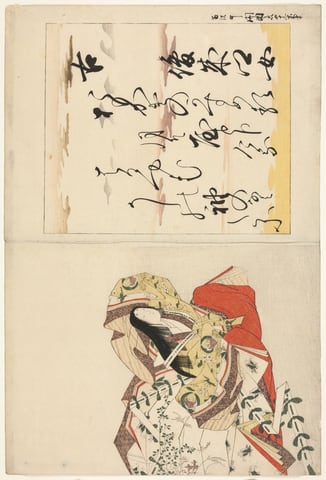
The Poetess Shunzei no Musume, from the series The Thirty-six Immortal Women Poets (Nishikizuri onna sanjurokkasen)Chôbunsai Eishi, Edo period (1615–1868), 1801Courtesy of the Art Institute of Chicago