Baroque and Rococo
Works in this room
Drama, movement and deep shadow in the 1600s, then the light, playful decoration of eighteenth-century Europe.
First room, north wall
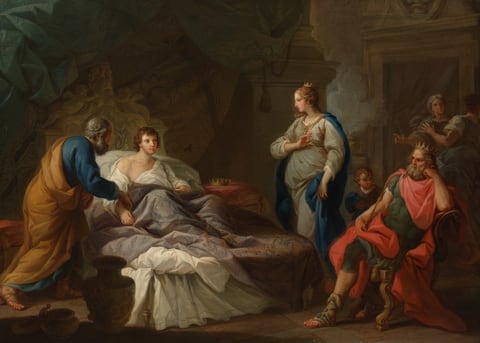
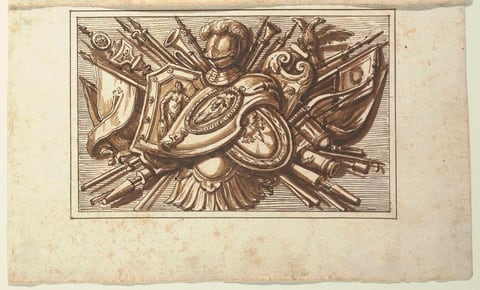
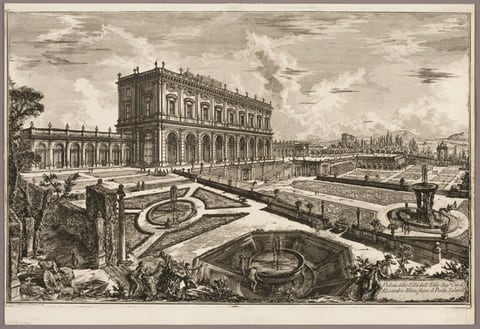
Antiochus Yearning for StratoniceStefano Pozzi, c. 1740Courtesy of the Art Institute of Chicago One of a set of trophies of weapons of war as a decoration of a horizontal panelFrancesco Bedeschini, Italian, 1675-1699Courtesy of Cooper Hewitt, Smithsonian Design Museum View of the Villa of His Eminence Cardinal Alessandro Albani, outside Porta Salaria, from Views of RomeGiovanni Battista Piranesi, 1769, published 1800–07Courtesy of the Art Institute of Chicago
First room, south wall
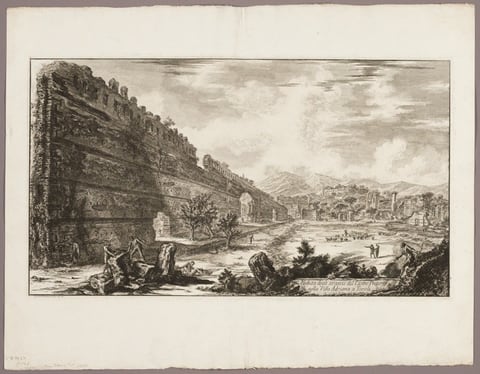
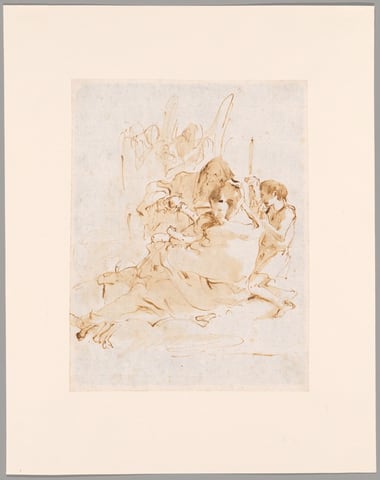
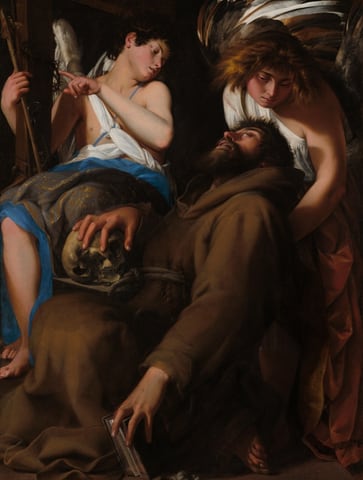
View of the Remains of the Praetorian Fort [the Poecile], Hadrian's Villa, Tivoli, from Views of RomeGiovanni Battista Piranesi, 1770Courtesy of the Art Institute of Chicago Holy Family with St. John and Two AngelsGiovanni Battista Tiepolo, n.d.Courtesy of the Art Institute of Chicago The Ecstasy of Saint FrancisGiovanni Baglione, 1601Courtesy of the Art Institute of Chicago
Second room, south wall
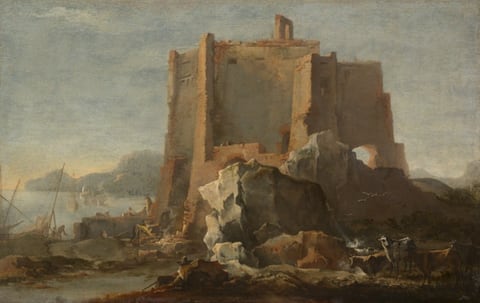
Landscape with Rock and FortressDomenico Gargiuli (Micco Spadaro), c. 1645Courtesy of the Art Institute of Chicago 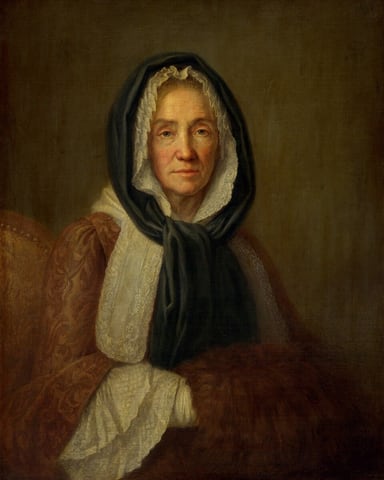
Old Woman with a MuffUnrecorded French maker, second half 18th centuryCourtesy National Gallery of Art, Washington 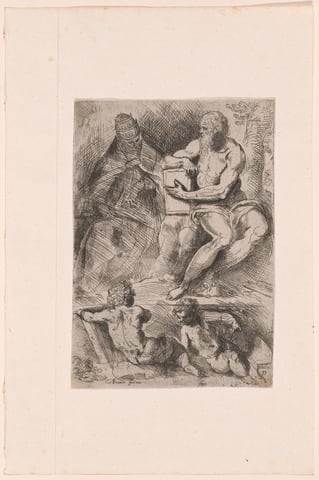
Saint Jerome and a Pope with Two Putti (Saint Jerome and Pope Damasus)Jacopo Palma il Giovane, c. 1611Courtesy of the Art Institute of Chicago 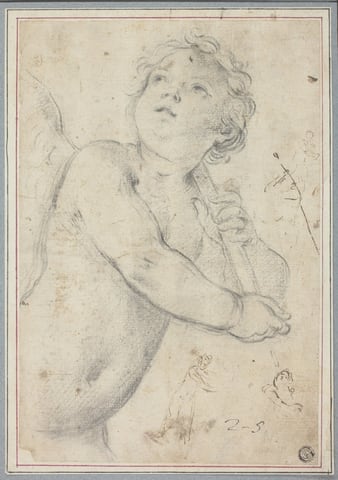
Putto Holding StaffGuido Reni, n.d.Courtesy of the Art Institute of Chicago
Second room, north wall
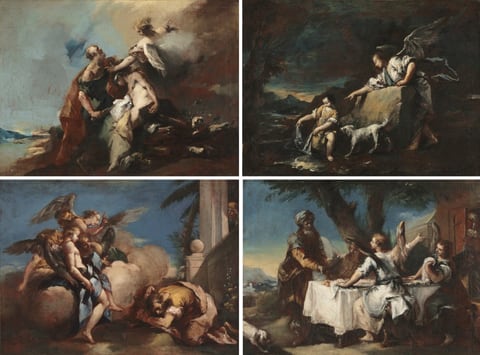
The Sacrifice of Isaac, Tobias and the Angel, The Angels Appearing to Abraham, Abraham Welcoming the Three Angels (painting series)Francesco Guardi, 1750sCourtesy of the Cleveland Museum of Art 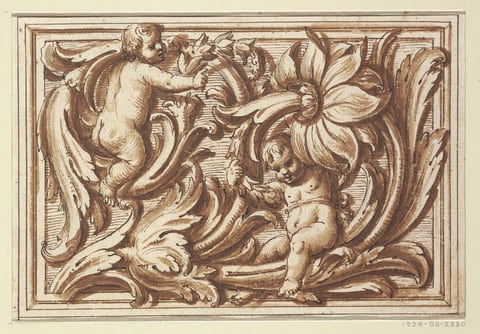
One of a set of projects for a title page and the decoration of a horizontal panelFrancesco Bedeschini, Italian, 1675-1699Courtesy of Cooper Hewitt, Smithsonian Design Museum 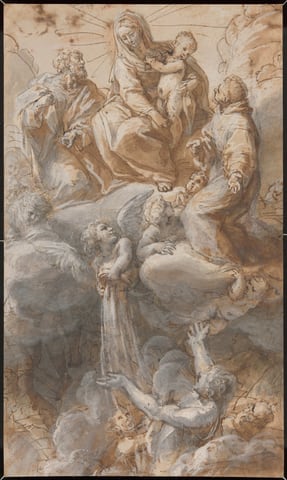
The Virgin and Saint Joseph with Saint Anthony of Padua Seated in the Heavens Interceding for the Souls in Purgatory, While an Angel Pours Fluid from a Vase onto the Crowd Below (recto and verso)Pietro Antonio di Pietri, 1690/1710Courtesy of the Art Institute of Chicago 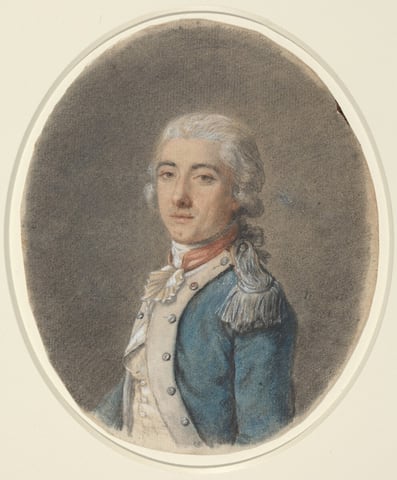
Portrait of a Man in a Military UniformUnrecorded French maker, 18th centuryCourtesy National Gallery of Art, Washington
Third room, north wall
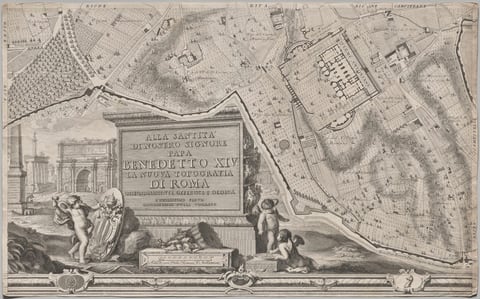
Nuova pianta di Roma data in luce da Giambattista Nolli l’anno MDCCXLVII, known as La Pianta Grande di RomaGiovanni Battista Nolli, 1748Courtesy of the Cleveland Museum of Art 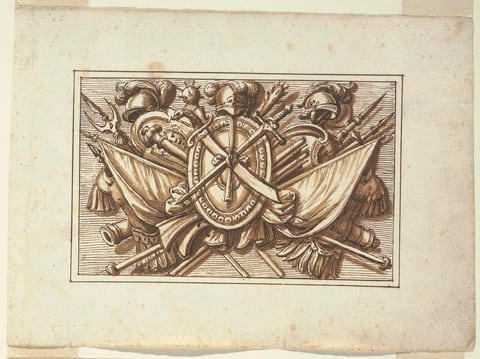
One set of trophies of weapons of war as a decoration for horizontal panels. Intended to be engravedFrancesco Bedeschini, Italian, 1675-1699Courtesy of Cooper Hewitt, Smithsonian Design Museum