Floor plan

Artist galleriesMihály Munkácsy's contemporaries
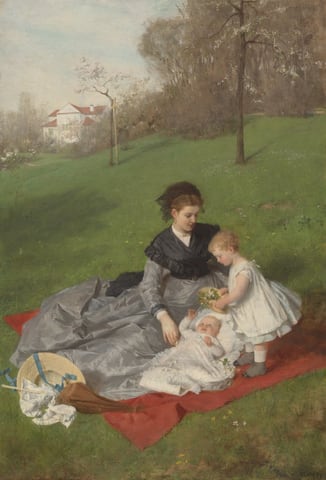
Mihály Munkácsy's contemporaries
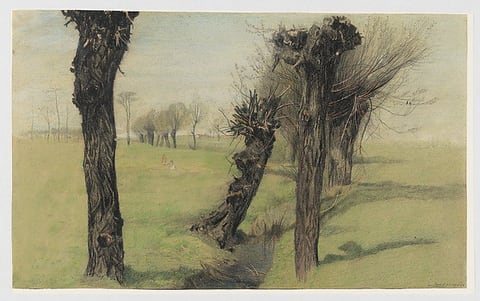
A work made of oil on canvas.
Willow trees at a brook (Weidenbach near Neuostra), by Emilie Mediz-Pelikan, 1895
A work made of oil on canvas.
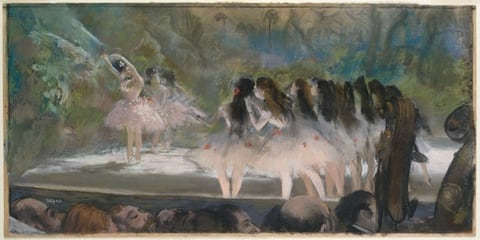
Color pastel drawing of ballerinas in tutus on stage, watched by audience.

The works in this room are listed below.

Works in this room

A few works by Mihály Munkácsy, then their contemporaries: makers of the same nationality born within 25 years of them, then works from the same century and place.

With their contemporaries

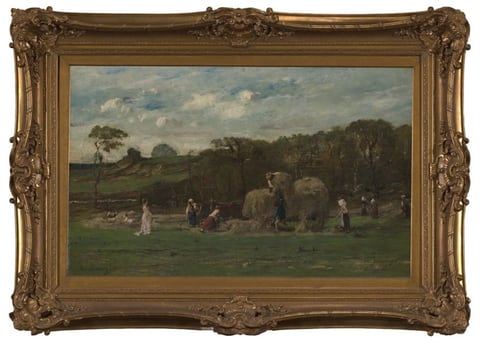
  1. A work made of oil on canvas.
    Loading HayMihály Munkácsy, c. 1886-87Courtesy of the Art Institute of Chicago
  2. A work made of oil on canvas.
    Mother and ChildrenPál Szinyei Merse, 1869Courtesy of the Art Institute of Chicago
  3. Willow trees at a brook (Weidenbach near Neuostra), by Emilie Mediz-Pelikan, 1895
    Willow trees at a brook (Weidenbach near Neuostra)Emilie Mediz-Pelikan, 1895Courtesy of The Metropolitan Museum of Art

Their contemporaries

  1. A work made of oil on canvas.
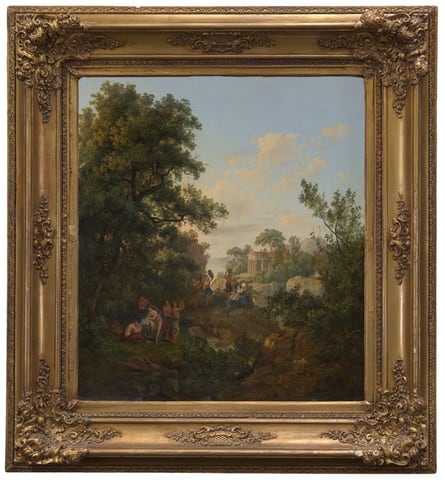
    Birth of BacchusKároly Markó, Sr., 1826 (?)Courtesy of the Art Institute of Chicago
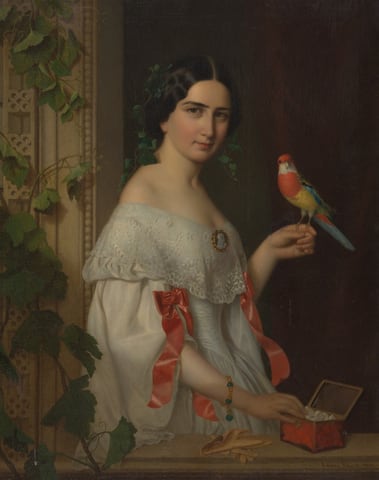
  2. A work made of oil on canvas.
    Untitled (Lady with a Parakeet)August (Ágost) Canzi, 1856Courtesy of the Art Institute of Chicago
  3. Color pastel drawing of ballerinas in tutus on stage, watched by audience.
    Ballet at the Paris OpéraEdgar Degas, 1877Courtesy of the Art Institute of Chicago

Their contemporaries, second
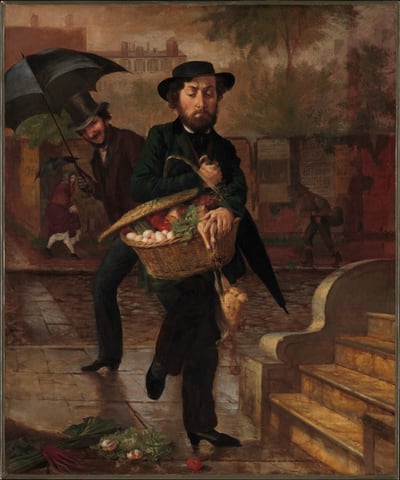
  1. Young Husband: First Marketing, by Lilly Martin Spencer, 1854
    Young Husband: First MarketingLilly Martin Spencer, 1854Courtesy of The Metropolitan Museum of Art
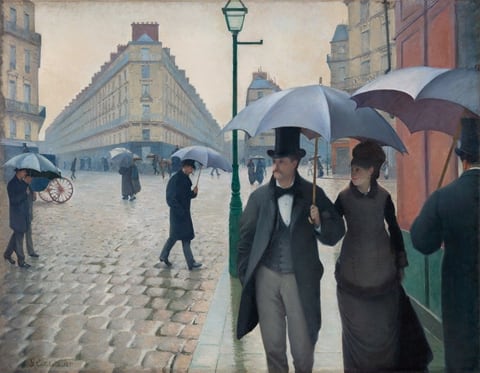
  2. Life-size painting of an urban scene in Paris. A man in a top hat holding an umbrella and a woman in a long fashionable dark dress walk arm in arm toward the viewer as other city dwellers with umbrellas walk in various directions across cobblestone roads and sidewalks.
    Paris Street; Rainy DayGustave Caillebotte, 1877Courtesy of the Art Institute of Chicago