Giulio Cesare Procaccini's contemporaries
Works in this room
A few works by Giulio Cesare Procaccini, then their contemporaries: makers of the same nationality born within 25 years of them, then works from the same century and place.
With their contemporaries
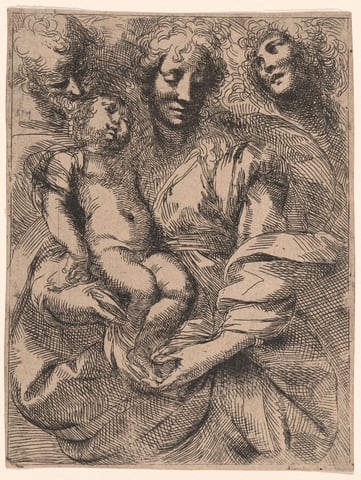
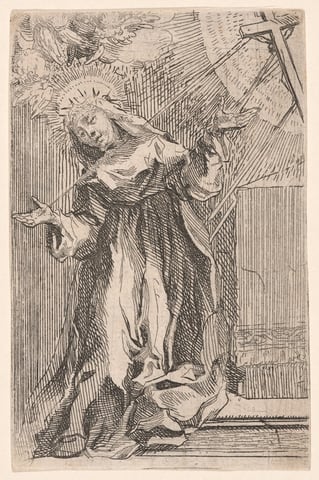
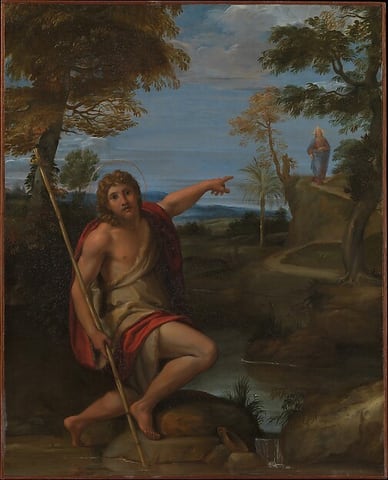
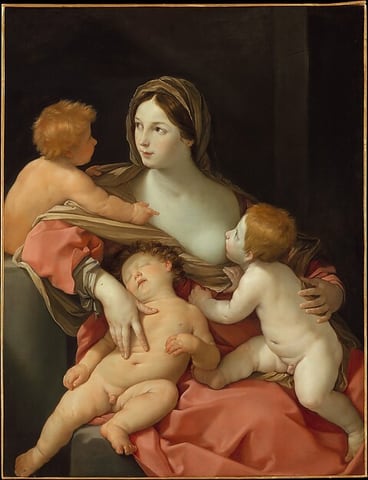
The Holy FamilyGiulio Cesare Procaccini, 1613/15Courtesy of the Art Institute of Chicago Saint Catherine of Siena Receiving the StigmataFrancesco Vanni, c. 1595Courtesy of the Art Institute of Chicago Saint John the Baptist Bearing WitnessAnnibale Carracci, ca. 1600Courtesy of The Metropolitan Museum of Art CharityGuido Reni, ca. 1630Courtesy of The Metropolitan Museum of Art
Their contemporaries
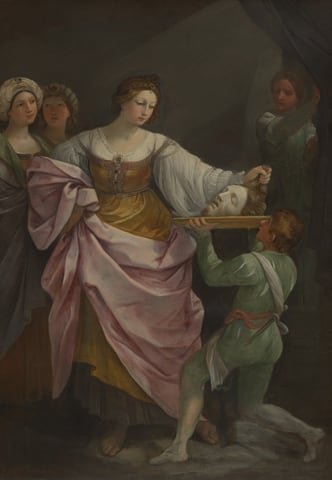
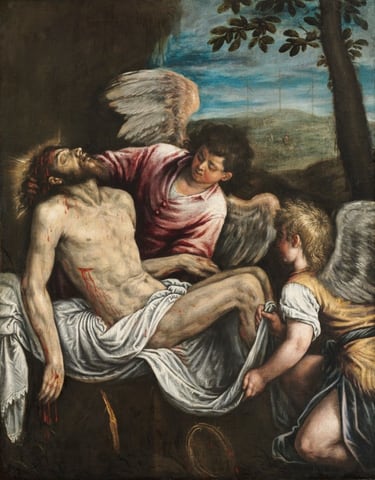
Salome with the Head of Saint John the BaptistGuido Reni, c. 1639–42Courtesy of the Art Institute of Chicago The Dead Christ with AngelsLeandro Bassano, c. 1580Courtesy of the Cleveland Museum of Art
Their contemporaries, second
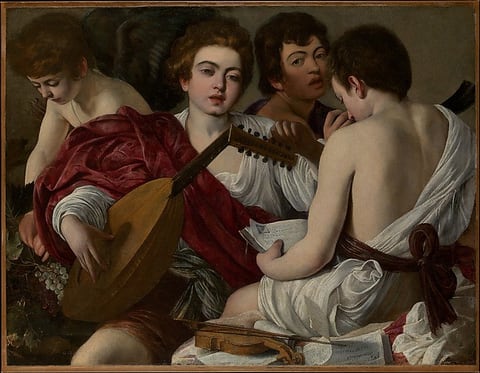
The MusiciansCaravaggio, 1597Courtesy of The Metropolitan Museum of Art 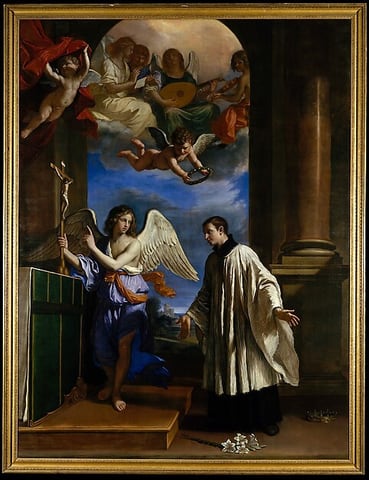
The Vocation of Saint Aloysius (Luigi) GonzagaGuercino (Giovanni Francesco Barbieri), ca. 1650Courtesy of The Metropolitan Museum of Art