Charles Loring Elliott's contemporaries
Works in this room
A few works by Charles Loring Elliott, then their contemporaries: makers of the same nationality born within 25 years of them, then works from the same century and place.
With their contemporaries
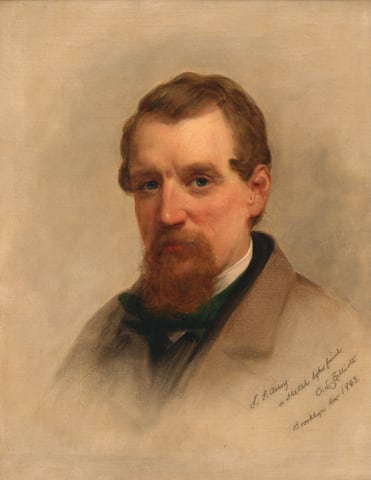
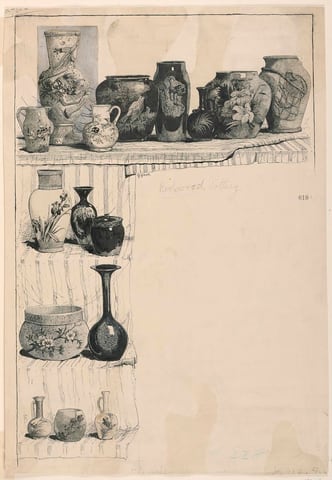
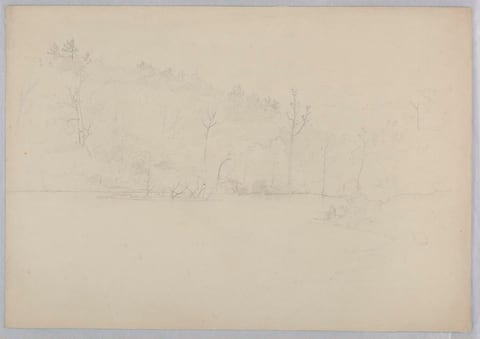
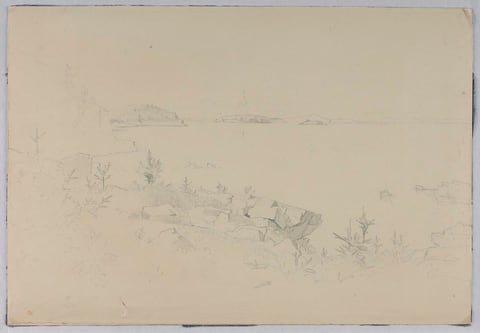
Samuel Putnam AveryCharles Loring Elliott, 1863Courtesy of the National Portrait Gallery, Smithsonian Institution Rookwood PotteryGeorge Gibson, 1886Courtesy of Cooper Hewitt, Smithsonian Design Museum Study of landscape, Delaware RiverWilliam Stanley Haseltine, ca. 1855Courtesy of Cooper Hewitt, Smithsonian Design Museum Study of seascape. Porcupine Islands, Bar Harbor, MEWilliam Stanley Haseltine, 1859Courtesy of Cooper Hewitt, Smithsonian Design Museum
Their contemporaries
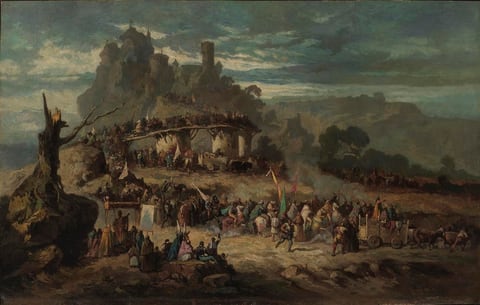
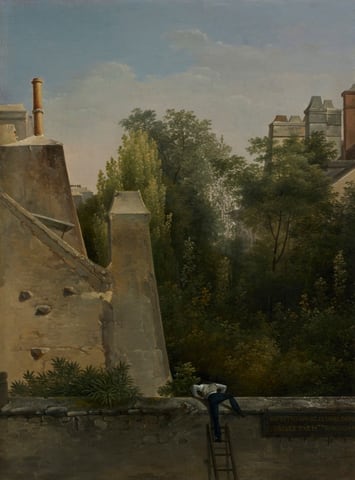
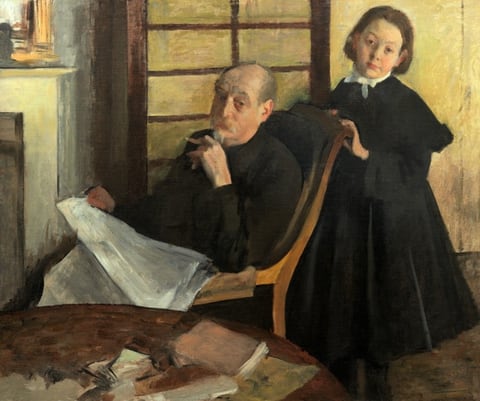
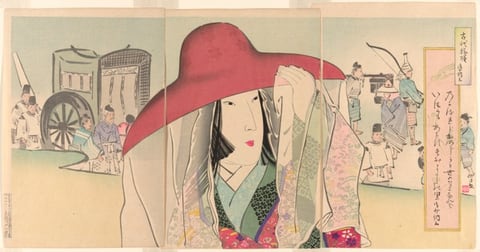
The Departure of the CrusadersVictor Nehlig, 1863Courtesy of the Smithsonian American Art Museum The Curious OneAntoine Pierre Mongin, 1823Courtesy of the Cleveland Museum of Art Henri Degas and His Niece Lucie Degas (The Artist's Uncle and Cousin)Edgar Degas, 1875–76Courtesy of the Art Institute of Chicago Sei Shonagon, from the series Ancient Patterns (Kodai moyo)Kobayashi Kiyochika, Meiji period (1896–1912), 1896Courtesy of the Art Institute of Chicago