Floor plan

Time and place17th-century Italy

17th-century Italy

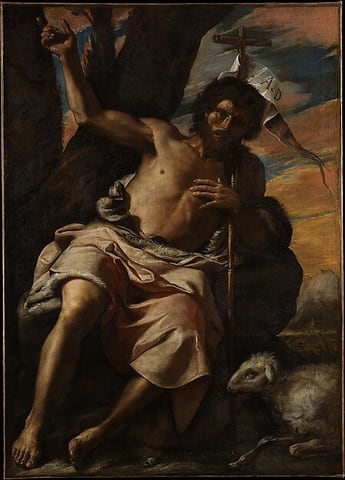
Saint John the Baptist Preaching, by Mattia Preti (Il Cavalier Calabrese), ca. 1650
A work made of oil on canvas.
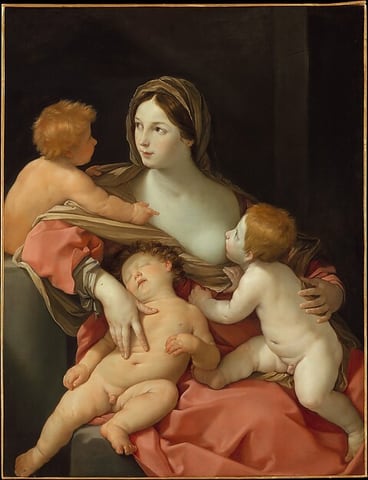
Charity, by Guido Reni, ca. 1630
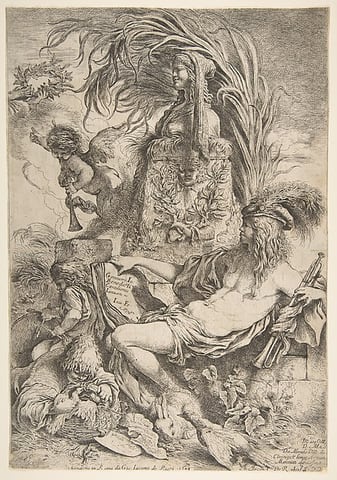
The Genius of Castiglione, by Giovanni Benedetto Castiglione, ca. 1645–47 (published 1648)
A work made of etching in black on cream laid paper.
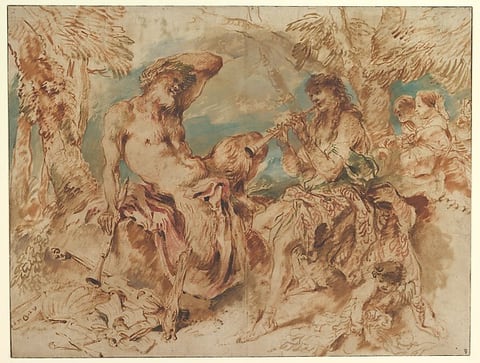
Youth Playing a Pipe for a Satyr, by Giovanni Benedetto Castiglione, 1645–50

The works in this room are listed below.

Works in this room

Works made in Italy in the 17th century.

First room, north wall

  1. Saint John the Baptist Preaching, by Mattia Preti (Il Cavalier Calabrese), ca. 1650
    Saint John the Baptist PreachingMattia Preti (Il Cavalier Calabrese), ca. 1650Courtesy of The Metropolitan Museum of Art
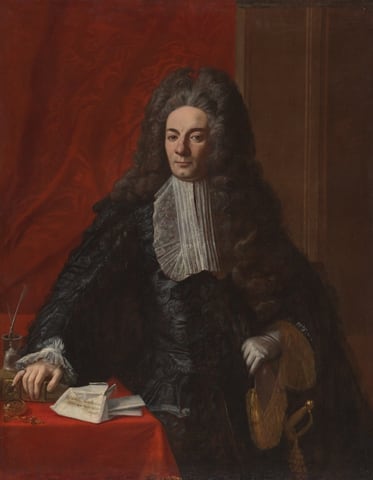
  2. A work made of oil on canvas.
    Jacopo ButeraFrancesco Solimena, c. 1695Courtesy of the Art Institute of Chicago
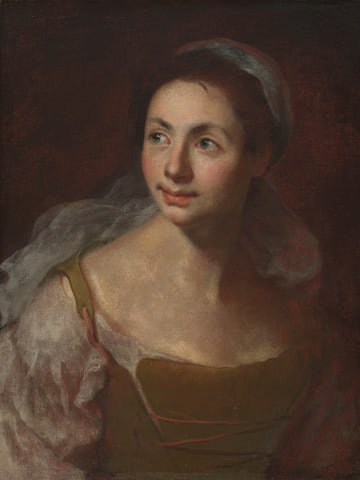
  3. A work made of oil on canvas.
    Portrait of a GirlFrancesco Solimena, c. 1700Courtesy of the Art Institute of Chicago

First room, south wall

  1. Charity, by Guido Reni, ca. 1630
    CharityGuido Reni, ca. 1630Courtesy of The Metropolitan Museum of Art
  2. The Genius of Castiglione, by Giovanni Benedetto Castiglione, ca. 1645–47 (published 1648)
    The Genius of CastiglioneGiovanni Benedetto Castiglione, ca. 1645–47 (published 1648)Courtesy of The Metropolitan Museum of Art
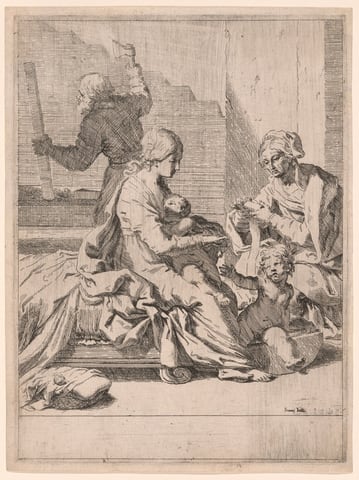
  3. A work made of etching in black on cream laid paper.
    Holy Family with Saint Elizabeth and Saint John the BaptistElisabetta Sirani, 1650/60Courtesy of the Art Institute of Chicago
  4. Youth Playing a Pipe for a Satyr, by Giovanni Benedetto Castiglione, 1645–50
    Youth Playing a Pipe for a SatyrGiovanni Benedetto Castiglione, 1645–50Courtesy of The Metropolitan Museum of Art

Second room, south wall
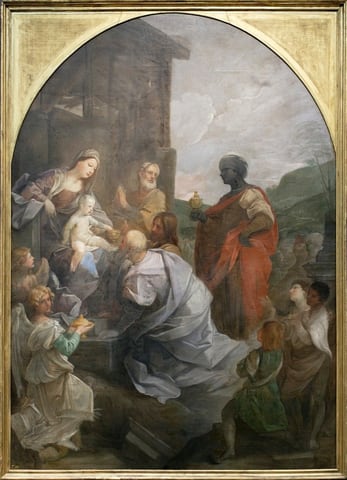
  1. Adoration of the Magi, by Guido Reni, 1642
    Adoration of the MagiGuido Reni, 1642Courtesy of the Cleveland Museum of Art
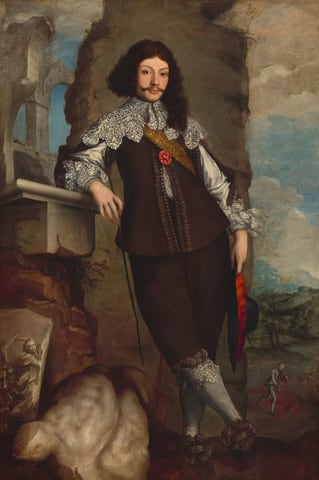
  2. Lodovico Widmann, by Tiberio Tinelli, probably 1637
    Lodovico WidmannTiberio Tinelli, probably 1637Courtesy National Gallery of Art, Washington

Second room, north wall
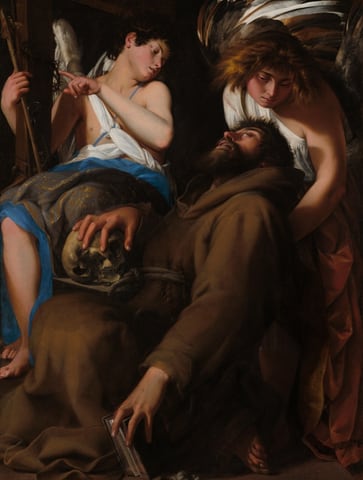
  1. A work made of oil on canvas.
    The Ecstasy of Saint FrancisGiovanni Baglione, 1601Courtesy of the Art Institute of Chicago
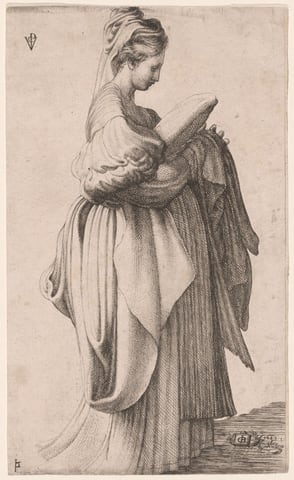
  2. A work made of etching in black ink on cream laid paper.
    A Young Woman Holding a CushionMonogrammist VCP, 1643Courtesy of the Art Institute of Chicago
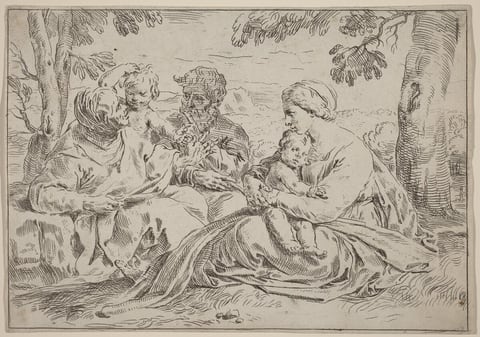
  3. The artwork depicts four human figures, two males and two females, seated. One woman holds a baby, while one man holds a young child. The figures have different hairstyles and clothing, sitting in a natural setting with trees and hills in the background. The scene is drawn in a sketch-like style, focusing on lines and expressions.
    The Holy FamilySimone CantariniCourtesy National Gallery of Art, Washington
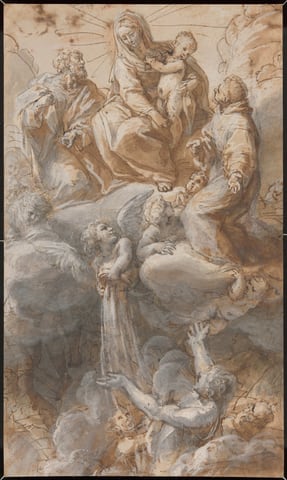
  4. A work made of pen and brown ink, brown and gray wash, and white opaque watercolor (recto) and pen and brown-black ink (verso) on laid paper.
    The Virgin and Saint Joseph with Saint Anthony of Padua Seated in the Heavens Interceding for the Souls in Purgatory, While an Angel Pours Fluid from a Vase onto the Crowd Below (recto and verso)Pietro Antonio di Pietri, 1690/1710Courtesy of the Art Institute of Chicago

Third room, north wall
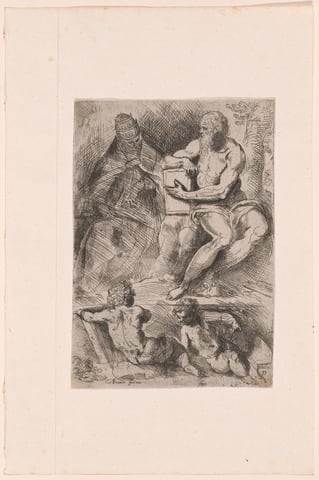
  1. A work made of etching in black on cream laid paper.
    Saint Jerome and a Pope with Two Putti (Saint Jerome and Pope Damasus)Jacopo Palma il Giovane, c. 1611Courtesy of the Art Institute of Chicago
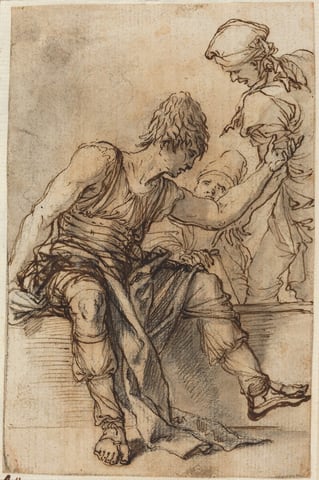
  2. The image shows a drawing of three figures. The central figure is seated, leaning slightly forward with one arm outstretched towards the standing figures. They have short, slightly messy hair, traditional clothing, and muscular limbs. The standing figures on the right are partially obscured but appear to interact with the seated figure. One of them is extending their arm towards the seated figure. The individuals wear layered clothing, with one wearing a head covering. The background is simple, emphasizing the interaction between the figures. The drawing style is classical or historical, using ink and wash for texture and depth.
    Youth Sitting on a Wall in Conversation with Two MenSalvator Rosa, c. 1656/1657Courtesy National Gallery of Art, Washington
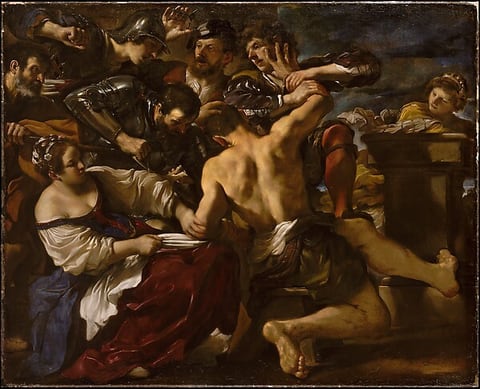
  3. Samson Captured by the Philistines, by Guercino (Giovanni Francesco Barbieri), 1619
    Samson Captured by the PhilistinesGuercino (Giovanni Francesco Barbieri), 1619Courtesy of The Metropolitan Museum of Art