Floor plan

Artist galleriesJoseph Nash's contemporaries
Joseph Nash's contemporaries
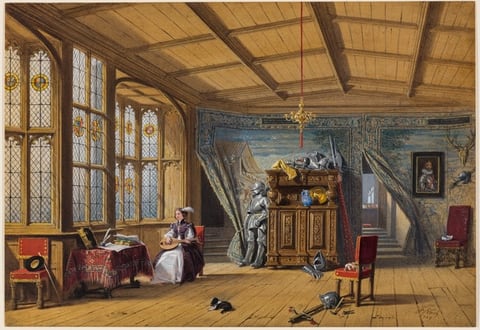
A work made of watercolor and gouache, with touches of brush and black ink, heightened with white gouache, over graphite on cream wove paper.
A work made of watercolor and gouache, heightened with white gouache, over graphite selectively gum varnished on cream wove card.
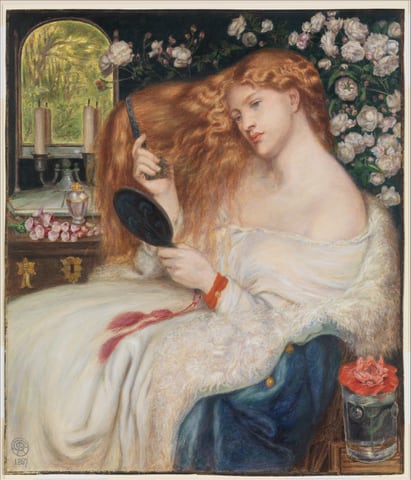
Lady Lilith, by Dante Gabriel Rossetti, 1867
A work made of oil on panel.
A work made of graphite on ivory wove paper.

The works in this room are listed below.

Works in this room

A few works by Joseph Nash, then their contemporaries: makers of the same nationality born within 25 years of them, then works from the same century and place.

Section 1, north wall

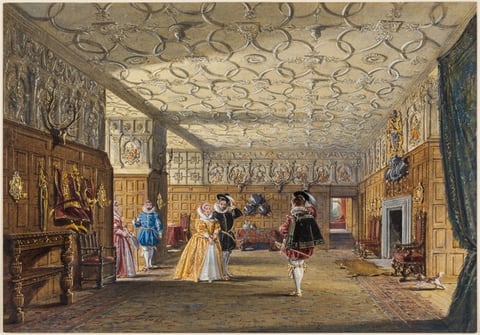
  1. A work made of watercolor and gouache, with touches of brush and black ink, heightened with white gouache, over graphite on cream wove paper.
    Room Leading to the Chapel, Knowle, KentJoseph Nash, 1869Courtesy of the Art Institute of Chicago
  2. A work made of watercolor and gouache, heightened with white gouache, over graphite selectively gum varnished on cream wove card.
    The Hall, Levens, WestmorelandJoseph Nash, n.d.Courtesy of the Art Institute of Chicago

Their contemporaries

  1. Lady Lilith, by Dante Gabriel Rossetti, 1867
    Lady LilithDante Gabriel Rossetti, 1867Courtesy of The Metropolitan Museum of Art
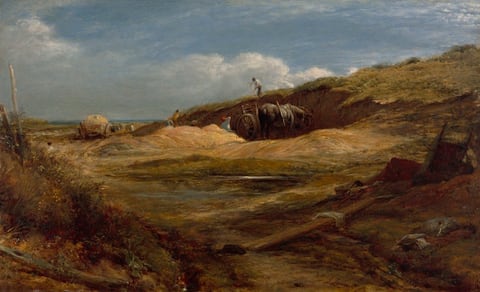
  2. A work made of oil on panel.
    The Sand Pits, Hampstead HeathJohn Linnell, 1834Courtesy of the Art Institute of Chicago
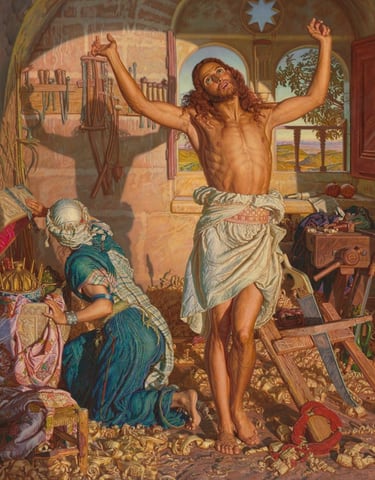
  3. A work made of oil on panel.
    The Shadow of DeathWilliam Holman Hunt, 1873-74Courtesy of the Art Institute of Chicago
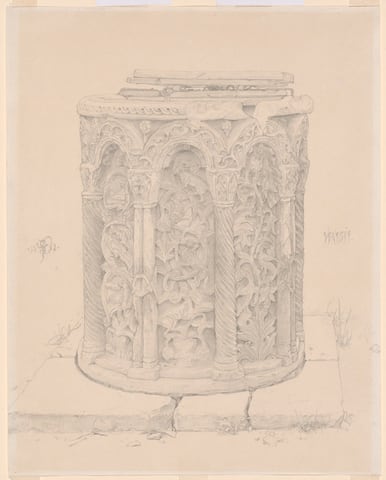
  4. A work made of graphite on ivory wove paper.
    A Byzantine Well-headFrederic Leighton, 1st Baron Leighton of Stretton, 1852Courtesy of the Art Institute of Chicago

Their contemporaries, second
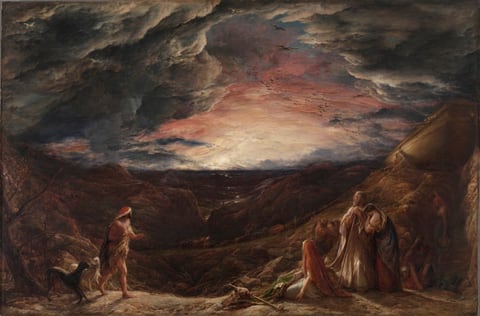
  1. Noah: The Eve of the Deluge, by John Linnell, 1848
    Noah: The Eve of the DelugeJohn Linnell, 1848Courtesy of the Cleveland Museum of Art
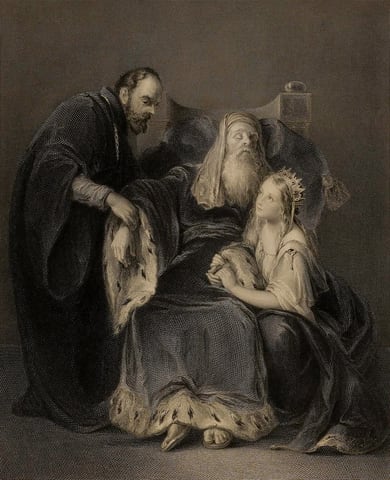
  2. Lear and Cordelia, by Richard Hatfield, 1845
    Lear and CordeliaRichard Hatfield, 1845Courtesy of the Smithsonian American Art Museum